Cat Not Drinking Much Water? Bowls, Fountains and Warning Signs
Some cats seem to visit their water bowl only rarely. That can be normal for a cat eating plenty of wet food, but a sudden change in drinking is something to investigate rather than dismiss.
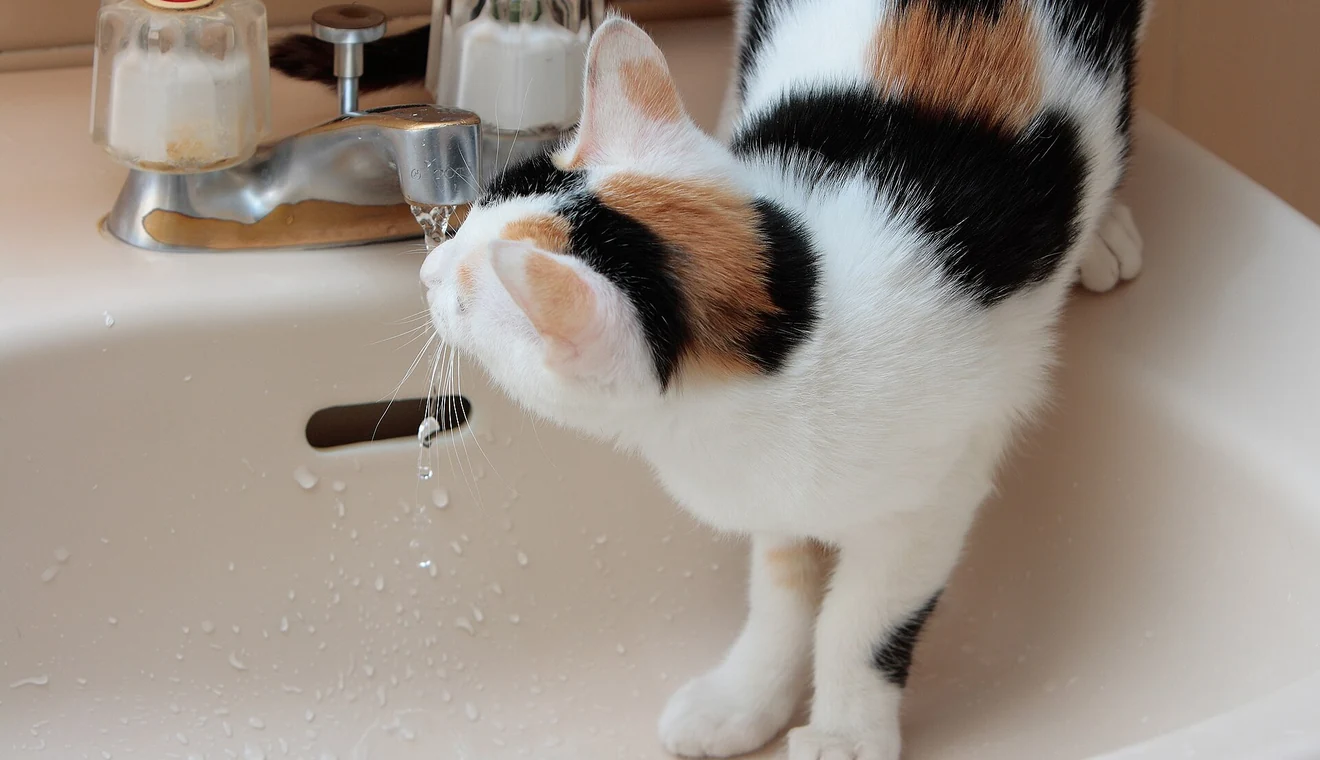
Make clean drinking water easy to find, try several wide bowls in quiet places and watch the cat's usual pattern. If drinking changes abruptly or your cat seems unwell, contact your vet.
How much water should a cat drink?
Water needs depend on age, weight, diet, activity, environment and health. There is no meaningful single bowl measurement that tells you every cat is adequately hydrated.
Cats Protection points out that wet food is roughly 70% water. A cat fed mostly wet food may visibly drink less than one eating dry biscuits.
The important question is whether your cat is maintaining normal hydration, appetite, behaviour and urination—not whether you've seen it take exactly six drinks today.
If you are worried, ask your vet about total water needs and how to monitor them. Online daily millilitre estimates cannot diagnose dehydration or illness.
Start with the position of the water bowl
Cats Protection recommends placing water away from food and litter trays. Cats may avoid water contaminated by food smells or located beside their toilet.
Try putting one bowl in a quiet corner of the kitchen and another in a different room. An indoor cat should not need to pass a noisy washing machine or another cat to reach all available water.
Don't put every bowl in the same place. Multiple locations give shy cats more choice.
In a multi-cat home, make sure one animal cannot guard access to all water sources.
Why a wide bowl may help
Some cats dislike their whiskers touching the edges of narrow, deep bowls. Cats Protection suggests using a wide bowl that leaves the whiskers free.
Ceramic, glass or stainless-steel bowls are easy to clean and may be preferable to plastic that has become scratched or tainted.
Choose a stable shape that doesn't tip when the cat touches it. A shallow bowl may be more comfortable for an elderly cat or one with a physical limitation.
Experiment gently. One cat may like a wide saucer; another may prefer drinking from a tall glass-like container positioned safely.
Are cat drinking fountains worth buying?
Some cats prefer moving water. A fountain may encourage interest, but it isn't necessary for every cat and cannot replace medical care.
Look for a stable, easy-to-clean design with a safe power connection and readily available replacement filters. Avoid exposed wires and places where the cat could knock water into electrical sockets.
Keep the fountain clean and follow its maintenance instructions. Moving water can still harbour bacteria if the pump and channels are neglected.
Always keep an ordinary bowl available as a backup in case the fountain stops working or the cat dislikes it.
How to introduce a new water station
Place the new bowl or fountain near, but not directly over, a familiar route. Let your cat investigate it without being pushed or carried towards it.
If the fountain makes a noise that worries the animal, let it explore while switched off first, then try the lowest setting.
Don't remove all existing water supplies in an attempt to force the cat to use the new one.
Make one change at a time. That way you can see whether a particular bowl material, location or moving-water feature actually helps.
Wet food and hydration
For suitable cats, wet food can contribute a significant amount of daily moisture. Cats Protection explains why cats eating wet food may need to drink less visibly.
If your cat normally eats a complete wet diet, suddenly forcing extra water into food isn't always necessary.
If a vet has recommended increasing intake for a urinary condition, ask which diet and water strategies are appropriate. Some illnesses require specific food rather than simply adding liquid.
Do not abruptly change a prescription diet or mix in unapproved ingredients.
Our Cat Not Eating Guide explains when a changed appetite is medically concerning.
Can you add flavour to a cat's drinking water?
Plain clean water should remain freely available. Cats Protection mentions that some cats respond to filtered water, running taps or different containers.
Do not add milk, salt, sugary drinks or human flavourings. Cats may be lactose intolerant, and some broths contain onion, garlic or excessive salt.
If you want to offer a flavoured water or broth because the vet has recommended increasing intake, get approval for its ingredients and suitability first.
A cat that will only drink from the kitchen tap may simply prefer the movement. Offer an accessible clean alternative rather than leaving a tap running unattended.
How to check whether the cat is drinking more or less
Start by noticing normal habits over several days. The amount disappearing from a bowl isn't a precise measurement if other pets share it or water evaporates.
Where feasible, provide individual stations or use a supervised feeding and drinking routine to establish a baseline.
Look at litter-tray habits too. A cat passing much larger clumps, visiting the tray repeatedly or straining to urinate warrants attention.
Don't diagnose diabetes, kidney disease or cystitis from water consumption alone; these conditions need veterinary examination and appropriate testing.
Signs of dehydration or illness
Cats Protection lists sticky gums, reduced skin elasticity, sunken-looking eyes and unusual weakness among possible dehydration signs.
These findings are not an accurate home test on their own. A cat's age, body condition and skin can affect what you see.
Contact your vet promptly if drinking changes suddenly, especially with vomiting, lethargy, reduced appetite, weight loss or changes in urination.
Straining to urinate with little or no urine, particularly in a male cat, is an emergency. Don't wait for the cat to start drinking more before calling the vet.
Water hygiene in a busy household
Refresh water at least daily and whenever it becomes contaminated. Wash the bowl with a suitable cleaner, rinse thoroughly and let it dry.
Check for food particles, litter, hair and cleaning-product residues. Plastic bowls with deep scratches can be harder to clean.
Keep water away from hot radiators and direct sunlight where it becomes warm or stale quickly.
For outdoor cats, provide a sheltered clean water source but don't rely on puddles or garden ponds as the sole supply.
An easy hydration checklist
| Question | What to do |
|---|---|
| Is the bowl narrow? | Try a wide shallow ceramic or glass option |
| Is water beside food or litter? | Move it to a quieter separate location |
| Does another cat block access? | Offer stations in different rooms |
| Does the cat prefer a tap? | Consider a safe easy-clean fountain |
| Has drinking suddenly changed? | Contact the vet, especially with other symptoms |
| Is the cat on a medical diet? | Ask before changing food or adding flavourings |
A few simple adjustments often make water easier to access, without changing anything about the cat's medical care.
Common mistakes
Assuming a wet-food cat must drink a lot from a bowl
Wet food contributes water, so visible drinking varies.
Putting one bowl beside the litter tray
Offer separate quiet water stations.
Treating a fountain as medical treatment
It may encourage drinking for some cats, but illness still requires diagnosis.
Adding unapproved broth
Onion, garlic, salt and other ingredients may be unsuitable.
Ignoring increased thirst
An abrupt increase can be as important as reduced drinking.
Frequently asked questions
Is it normal for a cat to drink very little?
Some healthy cats drinking water from wet food may visit a bowl infrequently. A new change or other symptoms deserve a vet call.
Do cats prefer running water?
Some do, but preferences vary. An ordinary clean bowl should always be available.
Is tap water safe for cats in the UK?
Ordinary safe domestic drinking water is generally suitable. If the cat dislikes its taste, try a different clean bowl or ask the vet about filtered water.
Can a dehydrated cat be treated at home?
Not safely as a substitute for veterinary care. Contact the vet to assess the cause and severity.
Make water easy, then watch for changes
Clean wide bowls, separate locations and an optional fountain can give cats more choices. Combine these practical steps with awareness of appetite and litter-tray habits.
A sudden change isn't something to solve simply by buying a new fountain. That is when your vet needs to know.
Sources and further reading
- Cats Protection: Cats and Drinking — wet food moisture, bowl placement and fountain suggestions.
- Cats Protection: Cats and Warm Weather — dehydration warning signs and hydration tips.