Chinchilla Temperature Guide: Keeping Your Pet Cool in a UK Home
A chinchilla's thick coat is one of its most recognisable features—and one of the reasons temperature matters so much. Chinchillas are adapted to cool, dry conditions. A room that feels pleasantly warm to a person can become uncomfortable or unsafe for a chinchilla.
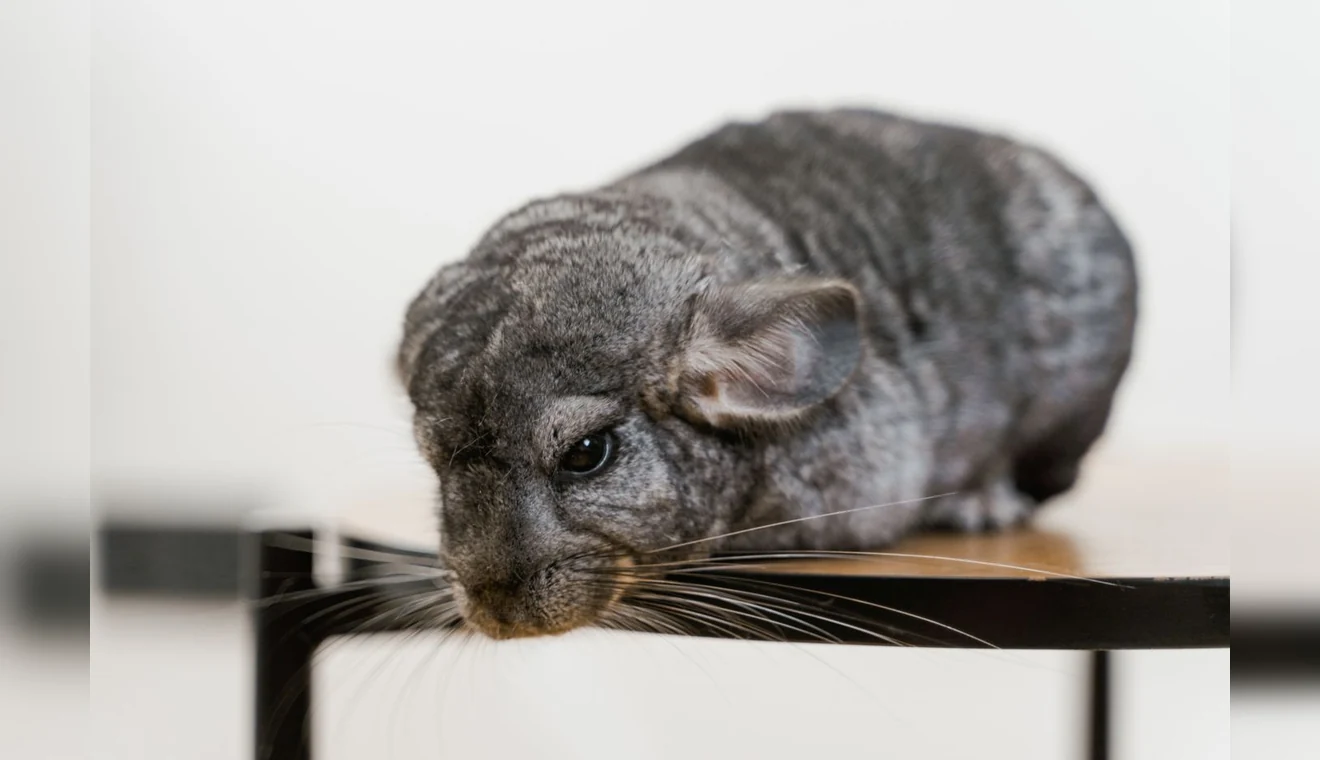
For UK owners, the real challenge is often summer: sunny bedrooms, loft conversions, conservatories and homes that hold heat overnight. Chinchilla temperature control needs to be planned before a heatwave arrives, not after the animal is already showing distress.
What temperature should a chinchilla room be?
The PDSA recommends keeping a chinchilla's housing area at roughly 10–15°C, away from direct sunlight and draughts. That is cooler than many British living rooms.
The same PDSA guidance warns that chinchillas can overheat rapidly because of their dense coats and that temperatures above 30°C can be deadly.
Don't misread that high danger figure as a comfortable limit. You should aim for suitable cool housing and address rising temperatures well before they approach extreme levels.
Use a reliable thermometer at the height of the enclosure rather than assuming the thermostat on the other side of the house reflects what the animal experiences.
Why chinchillas overheat easily
Chinchillas have unusually dense fur designed for life in cooler environments. They do not regulate their body temperature like a person wearing a coat who can simply remove it.
In a warm room, heat can build up quickly, especially where there is little airflow or direct sunlight strikes the enclosure. A cage near a radiator, sunlit glass door or appliance may be hotter than the general room.
High humidity can make cooling more difficult. A room's comfort for people is not a reliable measure of comfort for a chinchilla.
This is why a window-open-evening strategy may fail during a prolonged spell of hot UK weather. The house can remain warm long after the sun goes down.
Where should the enclosure go?
Choose the coolest appropriate room in the property, ideally one with predictable conditions across the year.
Good placement includes:
- Away from direct sun, radiators, fireplaces and hot appliances.
- Away from conservatories, bright skylights and upstairs rooms that overheat.
- In a well-ventilated area protected from draughts and sudden temperature swings.
- Somewhere you can monitor the actual temperature easily.
- Away from constant noise and household disturbance, allowing the chinchilla to rest.
Remember that moving the cage to a cooler room is only useful if the new space is secure, calm and free from dangerous cables or curious pets.
Don't put an enclosure outside or into an unheated outbuilding without considering the full range of temperatures, weather protection and welfare requirements.
What equipment helps keep chinchillas cool?
A reliable room thermometer
This is the first purchase. A simple digital thermometer with a minimum/maximum record can show how hot the room gets while you're out and how much it cools overnight.
Place the sensor where the chinchilla lives, away from direct contact with a heated surface or an open window.
Air conditioning
In a home that regularly gets too warm, air conditioning or another effective room-cooling solution may be the most dependable way to maintain suitable temperatures.
Choose equipment appropriate to the room, monitor it and have a backup plan if it fails. An expensive chinchilla should not depend entirely on a fan pointing at a cage in a heatwave.
Fans and ventilation
A fan can move air, but moving warm air is not the same as lowering room temperature. Fans shouldn't be relied upon as the only cooling method when the room itself is already too hot.
Keep electrical leads and moving parts out of reach. Avoid strong draughts directly onto the animal.
Cool resting surfaces
A smooth, stable ceramic tile or purpose-made cooling surface may offer a cooler place to rest, but it does not replace a suitable room temperature.
Check it for sharp edges and stability. Avoid very cold objects placed directly against the animal or anything that could cause sudden chilling, injury or condensation.
The safest long-term plan is to keep the surrounding environment cool rather than trying to rescue an overheated cage with improvised objects.
Planning for a UK heatwave
Start before the forecast becomes extreme. Find the coolest suitable room in the home and check how it behaves during a warm afternoon.
Keep direct sunlight off the enclosure using suitable window shading. Close windows when outdoor air is hotter than indoor air if doing so helps maintain a cooler room, but ensure adequate ventilation and air quality.
If the home can't be maintained at an appropriate temperature, arrange a safe alternative with an experienced pet carer or veterinary practice. Don't simply hope a heatwave will pass before the animal is affected.
Make sure anyone looking after your chinchilla understands the temperature requirement and knows what to do if cooling equipment stops working.
Check conditions when you're away
A minimum/maximum thermometer provides useful evidence after work. Consider a temperature alarm with an independent power or connectivity arrangement if overheating is a recurring risk.
However, technology doesn't replace a practical contingency plan. A notification is only useful if someone can act on it.
If you share a home, make the room's cooling instructions clear so another person doesn't turn it off because it feels chilly.
Signs that a chinchilla may be too hot
Heat stress and heatstroke are emergencies. Concerning signs can include unusual lethargy, rapid or difficult breathing, weakness, unsteady movement, loss of responsiveness or an animal appearing distressed.
A chinchilla that suddenly becomes inactive in a hot room should not automatically be assumed to be sleeping.
Contact a vet urgently if you suspect overheating. Move the animal to a safely cooled, quiet environment while following veterinary instructions. Do not delay professional help to try multiple home remedies.
Avoid immersing the chinchilla in cold water or applying ice directly to its body. Sudden extreme chilling can create additional problems, and wetting a chinchilla's dense coat is not a routine cooling method.
If the animal has collapsed or is struggling to breathe, this is an emergency, not a husbandry issue to revisit the following day.
How humidity affects the room
Chinchillas need a suitable dry environment as well as cool temperatures. High humidity can worsen discomfort and may create problems for bedding, hay and stored food.
Avoid putting the cage in a damp bathroom or poorly ventilated utility room just because it has a tiled floor.
Use a humidity monitor if dampness is a concern. Address mould, condensation and wet bedding promptly.
Dust bathing is a normal part of chinchilla coat care, but a dust bath does not cool down a dangerously hot room. Don't use it as an overheating treatment.
Winter temperatures and central heating
UK heating systems can make a chinchilla's room too warm even when it's cold outside. A thermostat set for human comfort may exceed the animal's recommended range.
Keep cages away from radiators and heating vents. Check the actual enclosure temperature after the central heating turns on, rather than relying on how the room feels when you first enter.
The goal is stable, appropriate housing, not putting a cage in the coldest possible spot and hoping for the best. Cold draughts and sudden changes can be stressful too.
If you need an unusually cold room to meet your chinchilla's requirements, consider carefully whether you can maintain that arrangement year-round.
Temperature mistakes that are easy to make
Using 30°C as a target or “safe limit”
PDSA describes temperatures above 30°C as potentially deadly. That is a danger warning, not a suitable housing range.
Positioning the cage by a sunny window
Glass can let a cage heat up rapidly during the day even when the rest of the room remains cooler.
Assuming a fan is enough
Air movement may not remove sufficient heat from a warm room. Measure the temperature and use effective cooling.
Waiting for obvious symptoms
By the time a small animal is weak or breathing with difficulty, it may already be seriously ill. Plan preventive cooling and seek immediate advice if symptoms appear.
Cooling with ice directly on the animal
This can introduce other risks. Professional veterinary advice and controlled environmental cooling are safer responses.
Common chinchilla temperature questions
Can a chinchilla live in a normal UK bedroom?
Possibly, if that room can be kept consistently within suitable temperature and humidity conditions. Many bedrooms get too warm in summer or with central heating.
Do chinchillas need a heat lamp?
Normally, no. Their care centres on providing a suitable cool environment, and unnecessary heating can be dangerous.
Can I use a fan beside the cage?
Airflow may help room ventilation, but it isn't a substitute for effective temperature control. Never assume a fan makes unsafe room temperatures acceptable.
What about a cool stone or tile?
A stable, safe cool resting surface can be an extra option, not the primary temperature-control method.
When should I call a vet?
Urgently if the chinchilla appears overheated, weak, unresponsive or is breathing abnormally. Don't wait for all the classic signs to develop.
Put the room first
Chinchillas aren't a pet you can safely keep in any spare corner of the house. Start with the recommended cool temperature, a reliable way to measure it and a plan for summer heat.
Once the environmental needs are met, you can focus on appropriate housing, companionship, hay, enrichment and routine care. Keeping the animal cool isn't an optional extra—it's a fundamental part of chinchilla welfare.
Sources and further reading
- PDSA: The Ideal Home for Chinchillas — temperature recommendations and housing.
- The Ultimate Pet Toolkit: New Pet Owner Checklist — planning housing, equipment and veterinary care.