Crested Gecko Tail Loss: What to Do and Why It Happens
Crested geckos can release their tails when frightened, grabbed or otherwise severely stressed. It is an unusual-looking but natural defence mechanism called autotomy. Unlike a leopard gecko, a crested gecko will not grow its tail back. Many healthy adults live without one, but a fresh tail-loss wound still needs careful observation.
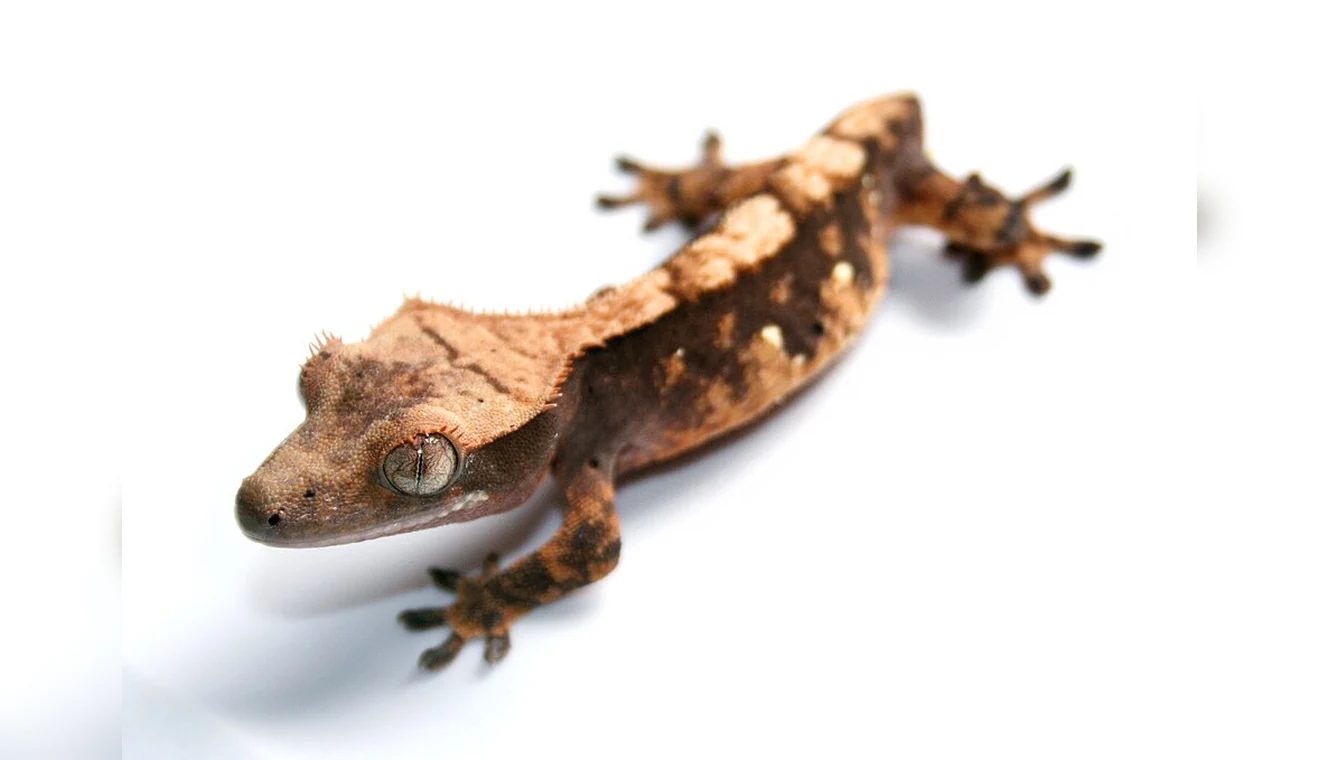
The first priorities are to reduce stress, check for bleeding and make sure the enclosure is clean and safe. Contact a reptile-experienced vet if the wound is actively bleeding, swollen, discharging or the gecko seems unwell.
Why a crested gecko drops its tail
Tail release is a defence against threats. A sudden grab, rough handling, a fall or conflict with another gecko may trigger it. The animal may be left with a short, rounded rump where the tail used to attach. RSPCA care guidance warns never to grasp a crested gecko by its tail.
You might not witness the incident. An owner sometimes discovers the detached tail in the enclosure during a morning check. Look for environmental problems or disturbances rather than assuming the gecko has become ill overnight.
What to do immediately
Move slowly and avoid repeatedly handling the gecko. Check whether the separation site has stopped bleeding and whether the animal can grip, climb and move normally. Make sure sharp or dirty furnishings are not irritating the wound. Maintain the enclosure's usual appropriate temperature and humidity; do not suddenly create extreme conditions.
Do not attempt to reattach the tail or wrap the rump in a homemade bandage. If bleeding is ongoing, contact an exotics vet promptly for appropriate first aid.
Should you clean the wound?
Avoid applying human antiseptic creams, iodine, alcohol, peroxide or essential oils without veterinary instruction. A wound may not need aggressive cleaning, and a struggling gecko is easily injured. If substrate sticks to the injury, ask your reptile vet for guidance on safe wound care.
Keeping the enclosure hygienic is sensible. Spot-clean waste promptly and consider a temporary easy-to-monitor floor covering if your vet advises it. Do not strip the habitat of secure climbing opportunities merely because the tail is gone.
Does the tail ever grow back?
No. RSPCA specifically notes that crested geckos do not regrow a tail after it has dropped. That differs from several other gecko species that can regenerate a shorter replacement. A tailless crested gecko is often nicknamed a frogbutt in the hobby, but that does not describe an illness.
There's no supplement, supplement powder or lighting change that can make the lost tail return. Concentrate on supporting recovery and preventing another frightening experience.
Can a tailless gecko climb and jump?
Many adapt well, though the tail ordinarily helps with balance and grasping branches. Watch how your own animal navigates its enclosure. It may need more secure, broad climbing routes and safe landing opportunities rather than narrow unstable perches.
Don't repeatedly test its jumping ability. Stable branches, dense planting and appropriate hiding areas make the enclosure safer. Our crested gecko humidity guide explains maintaining environmental conditions without repeatedly soaking the enclosure.
Could another gecko be responsible?
Yes. Territorial competition and aggressive encounters can cause stress or injuries. RSPCA recommends housing crested geckos singly in most circumstances and never keeping males together permanently. Watch for chasing, squeaking, tail shaking and biting if animals share space, and separate individuals immediately when aggression occurs.
A larger enclosure alone is not a guarantee that incompatible geckos will be safe together. Secure separate habitats are usually the simpler welfare choice.
Feeding after tail loss
Offer the usual suitable crested-gecko diet and drinking water, and observe whether appetite and droppings remain normal. Tail loss is stressful, but you should not suddenly flood the diet with extra supplements. RSPCA notes that the tail contains important fat reserves, making nutrition and body condition worth monitoring.
Our crested gecko feeding guide covers balanced prepared food, appropriate insects and feeding hygiene. Ask a reptile vet if the gecko loses substantial condition or consistently refuses food.
How to prevent handling-related tail loss
Let a settled gecko climb onto your hand voluntarily instead of grabbing it around the body or tail. Support its feet, remain close to a safe surface and avoid sudden restraint. Stop if it repeatedly jumps away or tries to bite. Never lift an animal by its tail.
Children need supervision, and other pets should be kept away. A gecko startled by a cat pawing at the vivarium or by a fall can respond defensively even if it usually tolerates people.
What are signs of infection or poor healing?
Increasing redness, swelling, discharge, a persistent open wound, repeated bleeding, marked weakness or continued food refusal warrant veterinary assessment. Don't rely on the appearance of dry skin alone to decide everything is healed. A reptile may hide discomfort and become less active when unwell.
Keep track of the date of tail loss and photograph the site when this can be done without forcing handling. A specialist vet can advise whether additional treatment is needed.
Does a missing tail affect shedding?
The remaining skin should still shed normally, provided the gecko is healthy and environmental conditions are suitable. Do not peel skin from the healing area. Check for retained shed on toes and around the body, especially if the animal is already stressed.
A stable crested gecko humidity routine supports comfortable shedding. Check toes, keep the healing rump clean and ask a reptile-experienced vet about persistent skin or wound problems.
A calm recovery checklist
Leave the gecko in a secure, suitable enclosure, avoid unnecessary handling, provide appropriate food and clean water, and monitor the wound. Check for causes such as rough handling, an unsafe climbing structure or bullying by another animal. Ask a reptile vet about bleeding or suspicious healing.
A crested gecko can live without its tail, but preventing the stress that caused its loss is still important. Focus on comfort, climbing safety and steady husbandry rather than trying to restore what will not regrow.
Transport and handling after the event
If the tail came off during rough handling, stop additional handling until the gecko is settled and any wound concern has been assessed. When transport is necessary, use a secure ventilated container with clean paper lining and stable, appropriate temperatures rather than carrying the animal loosely in your hands. Keep transit brief and prevent sudden movement that might make it jump. Do not put an open adhesive dressing against the fresh wound or allow loose soil to adhere to it. A veterinarian can advise whether temporary housing changes are needed. Once recovered, rebuild trust through short, voluntary step-up sessions close to a safe surface rather than repeated catching by hand.
Research and further reading
- RSPCA: Caring for your crested gecko — tail release, safe handling and suitable housing.
- RSPCA: Crested gecko care sheet — welfare and husbandry detail.