Dog Panting Excessively: When It’s Normal and When It’s Serious
Dogs pant to cool themselves, but heavy breathing when they're resting, in a cool room or doing little activity deserves attention. A dog who is struggling to breathe, collapsing, confused or overheating needs immediate veterinary help. Don't use a panting rate or one photograph to decide everything is fine; look at the circumstances and the whole animal.
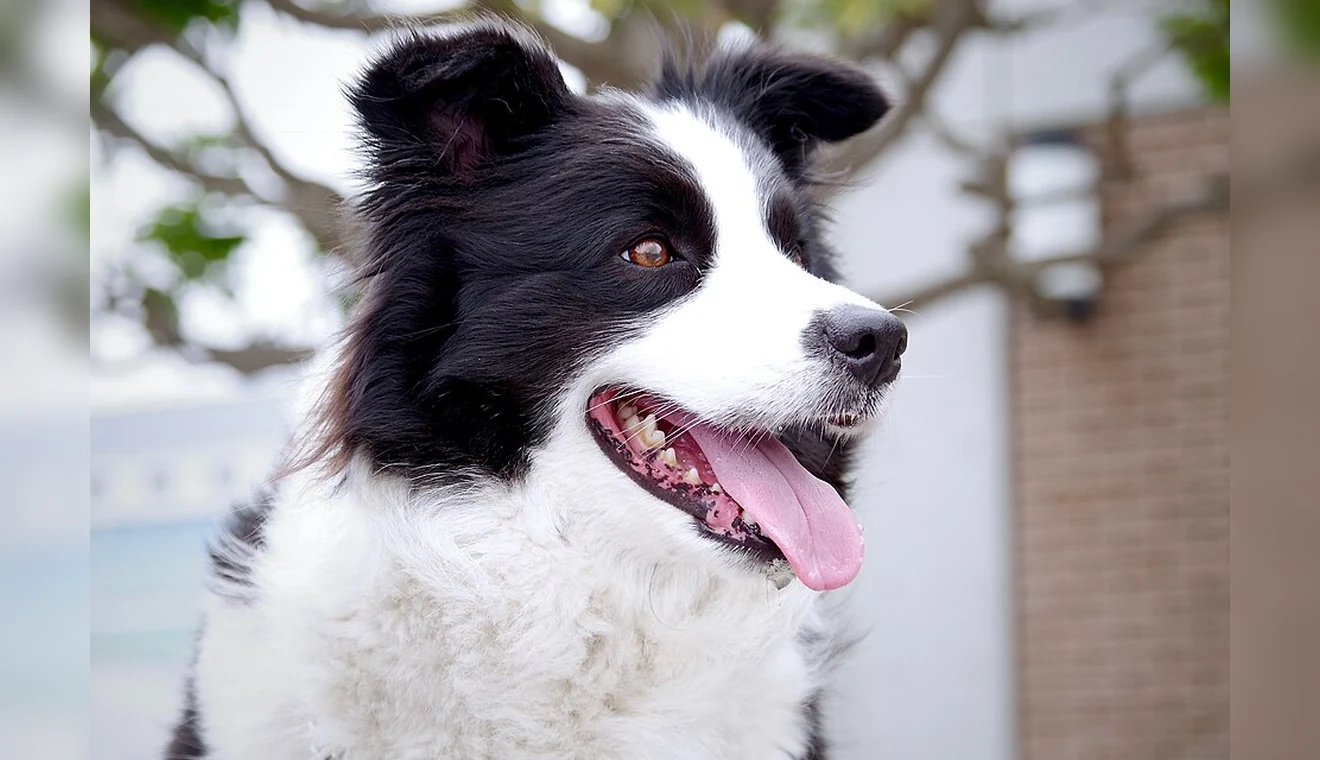
An active dog may pant after a run and settle once it has cooled down. A dog suddenly panting hard while lying on its bed is a different situation. PDSA advises veterinary assessment for persistent panting without an obvious explanation.
First check: is your dog too hot?
Move the dog away from exercise and into a cool, shaded place. Offer fresh drinking water and allow it to rest without crowding or restraining it. A warm room, hot pavement, intense ball game or a vehicle with poor ventilation can cause overheating. Flat-faced breeds, overweight animals, puppies, older dogs and dogs with heavy coats may be less able to cope with heat.
Panting alongside persistent extra thirst can need investigation; our dog drinking a lot guide explains how to record water intake and recognise medical warning signs.
Don't assume that a dog who is still walking has escaped danger. Watch breathing effort, gum colour, alertness and coordination. Our dog walking in hot weather guide explains sensible exercise planning; the advice here focuses on what to do when breathing already looks excessive.
Signs of possible heatstroke
Heatstroke can develop rapidly and is an emergency. PDSA lists very heavy breathing, weakness, vomiting, diarrhoea, abnormal gum colour, confusion, collapse and seizures among warning signs. A dog that is clearly overheating should be cooled promptly while veterinary help is arranged, not observed for another hour to see if the panting stops.
Move it into shade or a cool room. PDSA recommends gently pouring cold tap water over the body, avoiding the nose and mouth, and creating airflow with a fan or open windows. Offer water without forcing it. Do not wrap the dog in a wet towel, which can trap heat. Call the vet immediately and continue appropriate cooling during transport if advised.
Panting can happen without hot weather
Pain, fear, excitement and respiratory illness can all change a dog's breathing. A dog anxious about fireworks may pant and pace even when the room temperature is comfortable. Some medicines and chronic health conditions may also influence breathing. You cannot reliably tell the cause by whether the tongue is hanging out.
Check for accompanying signs such as coughing, trembling, hiding, reluctance to move, a swollen abdomen or a change in appetite. If panting is new, persistent or unexplained, contact the vet. Our guide for dogs frightened by fireworks covers environmental reassurance, not medical breathing problems.
Breathing effort is more important than noise
A dog in true respiratory distress may stretch its neck, flare its nostrils, use the abdomen forcefully to breathe or refuse to lie down. Gums that look blue, grey, very pale or unusually bright red are concerning. If your dog cannot settle because every breath is hard work, arrange emergency treatment. Don't put a muzzle over an animal that needs to pant, and don't force it to walk to the car if movement worsens distress.
Some dogs make noise because of their airway shape, particularly short-nosed breeds, but habitual snoring or snorting should not automatically be considered harmless. PDSA explains that brachycephalic airway problems can interfere with cooling and exercise recovery.
What about panting at night?
A dog may pant after an evening walk, during a noisy storm or because the room is warm. However, repeated panting in a cool bedroom can also reflect pain or disease. Record when it happens and whether the animal seems distressed, coughs, drinks more than usual or changes resting position. Discuss persistent unexplained nighttime breathing with the vet rather than turning on a fan every night and hoping for the best.
If your dog is also crying or unable to settle, pay attention to the whole picture. Behaviour changes and medical symptoms can overlap. Never assume a newly restless older dog is simply becoming demanding.
Is it normal after exercise?
Panting after suitable exercise is expected, but it should gradually ease during rest. An unfit dog running hard, especially in warm or humid weather, can overheat even without sunshine. If the dog takes unusually long to recover, falls behind, appears weak or repeatedly refuses to continue, stop and seek advice.
Fitness, coat, body weight and breed change what constitutes a sensible walk. Your dog doesn't have to complete a planned route just because you are already halfway around it. For an overweight or senior animal, shorter comfortable activity may be safer than trying to 'tire it out'.
Pain and other health problems
Dogs may pant when uncomfortable from abdominal pain, an injury or a worsening chronic condition. A painful animal can look restless, refuse to be touched or sit in an unusual position. Panting coupled with repeated retching, an enlarged hard abdomen or severe weakness is particularly urgent. Avoid administering human painkillers, as many are dangerous to dogs.
A vet may examine heart and lungs, check temperature, consider pain and review medication. They may recommend tests according to findings. Don't assume that more exercise will resolve a dog that pants because it cannot breathe comfortably.
What to record for your appointment
Note whether the panting started suddenly, occurs during rest or activity, and settles in a cool room. Record other signs: drinking, coughing, gum colour, weakness, food intake or recent medication changes. A short video taken without disturbing the dog can be useful. Don't delay treatment to film an emergency, and don't repeatedly provoke panting to obtain an example.
You can count breaths while the dog sleeps if your vet asks you to, but don't substitute an internet 'normal breaths per minute' chart for assessing laboured breathing. Effort and the animal's condition matter at least as much as the number.
Keeping dogs comfortable in warmer months
Offer shade, water and breaks, and plan walks for cooler times. Never leave a dog in a car on a warm day, even briefly with a window open. Watch the forecast, humidity and the surfaces your dog must walk on. Keep exercise flexible: a missed walk is preferable to heatstroke.
Groom long coats appropriately but don't assume shaving every breed is beneficial. Ask a groomer or vet familiar with the coat type. Our dog grooming at home guide can help you manage coat care without making an already overheated dog stand through a long grooming session.
The decision that matters
Panting after normal activity that settles with rest is different from rapid, distressed or persistent panting. Get out of the heat, watch for red flags and contact the vet when the cause is unclear. If heatstroke is possible, start cooling straight away while organising urgent care. Trust a change from your dog's usual behaviour rather than looking for one magic threshold.
Sources and further reading
- PDSA: Is my dog panting too much? — normal cooling and red flags.
- PDSA: Heatstroke in dogs — emergency signs, immediate cooling and veterinary help.
- PDSA: Flat-faced breeds and breathing — airway concerns and difficulty cooling down.