Hamster Enrichment Ideas: Build a Better Life Beyond the Wheel
A hamster running on a wheel is an instantly familiar picture. It can also hide how much these animals need. Wild hamsters burrow, explore, forage and carry food through complicated tunnel systems. A small plastic cage with a wheel and one hide gives them very little opportunity to do those things.
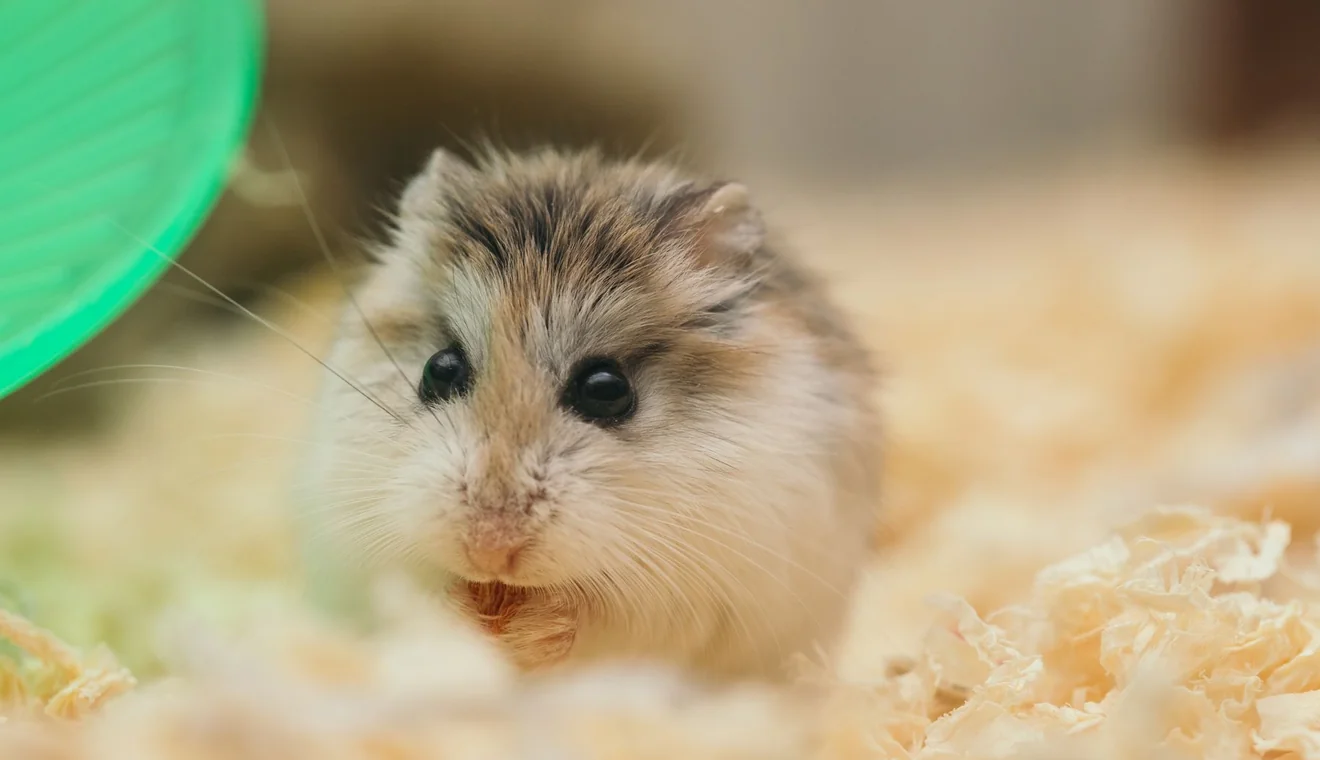
The best hamster enrichment begins with the enclosure itself: plenty of unbroken floor space, deep safe bedding and areas where the animal can choose what to do.
Start with enough usable floor space
Before buying extra toys, look critically at the cage. A large, secure single-level floor area is generally more useful than several narrow shelves connected by steep tubes.
Make sure ventilation is appropriate, the lid is escape-proof and there are no wire floors that could injure feet. Keep the enclosure away from direct sunlight, dampness, draughts and noisy household equipment.
Hamsters are usually active in the evening and at night. Put the habitat somewhere their normal activity won't be continually interrupted by people demanding attention during the day.
Deep bedding gives hamsters a real job
A generous depth of suitable substrate lets a hamster dig, tunnel and construct nests. Offer a stable mix that holds burrows without producing excessive dust.
Paper-based bedding and other safe materials may work, depending on the species and the product. Avoid scented bedding and cotton-wool-style 'fluffy' nesting products, whose strands can entangle limbs or cause harm if swallowed.
A hamster should be able to move through bedding without the whole tunnel network collapsing whenever someone walks past the cage.
Choose the right wheel
A solid-surface wheel allows natural running without the risks associated with open wire rungs. It should be large enough that the hamster can run with a reasonably straight back.
The size required depends on the species and individual animal. If your hamster arches awkwardly while running, reassess the wheel. Secure it so that it cannot tip over.
A wheel is valuable, but it is not a substitute for a roomy habitat, places to dig and interesting material to investigate.
Let the hamster forage for food
Instead of putting every piece of the daily ration in a bowl, scatter some suitable food around the bedding. Hamsters naturally carry and store food in their cheek pouches and hidden caches.
Start with a small amount in accessible spots and let the animal learn where to search. You can place food under a plain cardboard tunnel or in a safe, untreated paper parcel.
Remove perishable foods before they spoil, especially hidden fresh vegetables. Check caches during regular spot cleaning without dismantling the whole nest every day.
Use safe cardboard and tunnels
Plain cardboard boxes and tubes offer inexpensive routes to explore. Cut entrances large enough to prevent an animal becoming stuck, and remove staples, tape and glue-heavy packaging.
Arrange tunnels to create alternative routes rather than a single passage with one entrance. Make sure heavy objects rest securely on the enclosure base, not on top of loose bedding where they might collapse into a burrow.
Rotate one or two items occasionally, but avoid rebuilding the entire environment every few days. Hamsters rely heavily on scent and familiarity.
Offer a sand bath where appropriate
Many pet hamsters enjoy rolling or digging in a suitable sand area. Use a safe, non-dusty sand product recommended for the species, and provide a stable container large enough for comfortable movement.
Avoid powdered bathing products and scented mixtures. If the hamster seems uncomfortable or develops eye or respiratory irritation, stop using the product and consult a vet. For the materials, layout and day-to-day cleaning, see our hamster sand bath setup guide.
Sand areas can also become regular toilet sites, making spot cleaning easier.
Give them a digging area as well as bedding
Deep bedding should stay in the enclosure permanently, but a separate digging tray can add variety. A sturdy box of suitable coco coir or another species-appropriate digging material lets a hamster investigate a different texture without having to rebuild its main burrow system.
Keep digging substrates clean and free of fertilisers, dyes and perfumes. Check that the tray doesn't tip and that the animal can enter and leave without climbing over sharp edges. If the material has become damp or contaminated, remove and replace it.
Woodgreen recommends several low-cost enrichment options such as cork logs, branches, hides, sprays and digging trays. You don't need all of them at once. Make sure each new item is safe, useful and appropriately sized for your hamster.
Enrichment without disturbing sleep
Do not wake a hamster during the day for play or handling. Wait until the animal wakes naturally and is active.
Gradual, gentle handling is better than grabbing from above, which may be frightening. Use treats to build voluntary approach and allow the hamster to retreat to a hide.
A secure play area can be useful for supervised exploration, but it must be escape-proof and free from electrical cables, gaps and other pets. Do not rely on exercise balls, which can be stressful and restrict normal behaviour.
Watch for signs the environment is too limited
Repeated frantic bar chewing, attempts to escape or unusually repetitive movements may indicate frustration, although health problems can also change behaviour.
Check the cage size, bedding, wheel, hiding places and opportunities to forage. If the behaviour is sudden or the hamster appears unwell, consult a vet experienced with small mammals.
Syrian hamsters should generally live alone. Some other species may also fight, so do not add a companion as an enrichment experiment.
A practical upgrade sequence
First fix the biggest limitations: safe space and deep bedding. Next add an appropriate wheel, several hides and a sand area if suitable.
Then try simple foraging opportunities and rotate small accessories gradually. Monitor what the hamster actually uses rather than buying everything marketed as an enrichment toy.
A hamster asleep in a deep burrow during the day and active at night is behaving normally. You don't need to see constant movement to know that the environment is working.
Common questions
Are plastic tunnel systems good enrichment?
They may be used as accessories if roomy and ventilated, but shouldn't replace a large open enclosure and deep burrowing substrate.
Can hamsters use cotton wool for nests?
Avoid fluffy cotton-type nesting products. Safe paper-based materials are generally preferable because fine strands can cause injury.
Should I clean the whole cage every week?
Spot cleaning is important, but excessive full clean-outs can remove familiar scent and cause stress. The appropriate schedule depends on cage size, hygiene and the animal's needs.