Horse Feeding in Winter: Hay, Water and Body Condition
A horse can live outside through a cold British winter and remain comfortable when it has appropriate forage, shelter and access to water. But frozen buckets, bare pasture and sudden changes to feed can quickly make a routine more difficult.
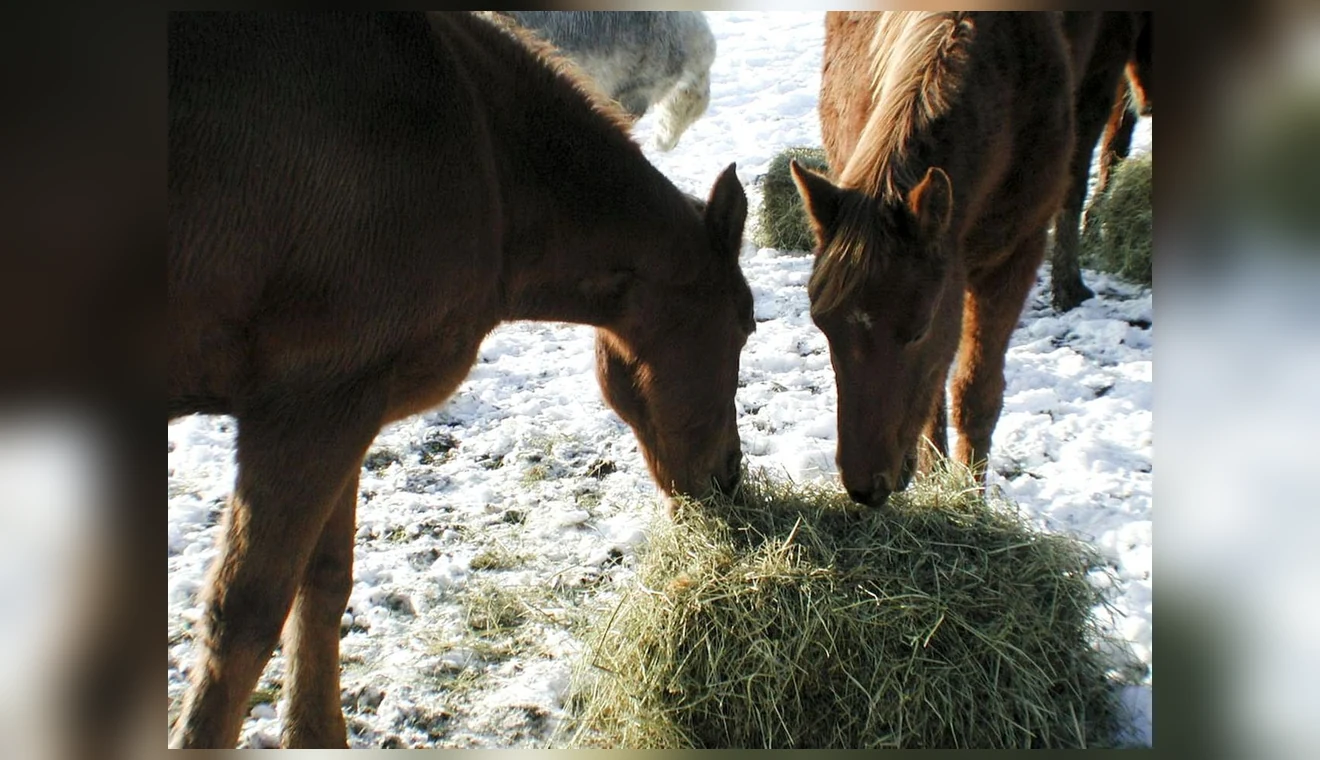
Forage remains the foundation of winter feeding. Blue Cross advises that digestion of fibrous food helps horses generate body heat, and most healthy horses do not automatically need a large extra bucket feed just because the temperature has dropped.
Why forage is especially important in winter
Horses are grazing animals adapted to eating fibrous food throughout much of the day.
Blue Cross explains that fermentation of fibre in the gut contributes to warmth.
If winter pasture is limited, provide appropriate hay or haylage so the horse still has enough suitable forage.
Don't replace fibre with large meals of cereal or concentrated feed without a veterinary or qualified equine nutrition plan.
Quality, quantity and access matter more than adding another brightly coloured bag of “winter feed”.
How much hay should a horse have?
There is no safe universal number of haynets for every horse.
Appropriate daily dry matter intake depends on bodyweight, forage quality, body condition, workload and health.
Measure forage in kilograms when preparing a feeding plan rather than relying solely on the apparent size of a net.
A vet or qualified equine nutritionist can advise a suitable ration, especially for a growing animal, a laminitis-prone pony or one with dental disease.
Don't suddenly restrict hay below safe fibre requirements to force weight loss.
Good hay versus poor-quality hay
Suitable hay should be clean and free from obvious mould, contamination and excessive dust.
A horse may refuse a wet or spoiled batch, and feeding it anyway can cause respiratory or digestive problems.
Store hay in a dry, ventilated place where rodents and rain cannot contaminate it.
Inspect bales before use; don't assume the centre is sound because the outside looks fine.
If a horse develops a persistent cough or abnormal breathing around hay, contact the vet and review the forage source.
Make sure every horse can reach forage
In a herd, a dominant horse may guard a single hay feeder and prevent quieter animals eating.
Blue Cross advises putting out more forage piles than there are horses to reduce squabbling.
Space the piles sufficiently that one animal cannot control every feeding position.
Observe the group during feeding rather than assuming that all animals have eaten because the hay has disappeared.
Older or physically vulnerable horses may require a different arrangement.
Do horses need extra hard feed in winter?
Not all of them.
Blue Cross says most healthy horses do not need supplementary concentrated feed simply because it is winter.
Additional energy or nutrients may be necessary for horses with higher workloads, poor condition, illness, old age or insufficient pasture.
Introduce suitable changes gradually and according to individual needs.
Extra calories for an already overweight pony can increase health risks rather than help it cope with cold.
Fat-scoring through a winter coat
A thick coat may make a horse look fuller than it really is.
Use your hands to assess fat covering around the neck, ribs, back and hindquarters.
The British Horse Society recommends a general body-condition target around 2.5–3 on a 0–5 scale for many healthy horses, with individual exceptions.
Our Horse Body Condition Score Guide explains how to score safely and track trends.
Check body condition regularly rather than waiting until spring to discover significant weight loss or gain.
Is some winter weight loss normal?
Blue Cross notes that seasonal weight change can occur naturally as forage quality and grazing patterns change.
But rapid or unexplained loss is not something to ignore.
Dental problems, disease, parasites, social competition or an inadequate ration can all reduce condition.
A horse that is becoming thin, lethargic or reluctant to eat needs veterinary assessment.
Don't automatically respond to every small change by adding a large amount of concentrated feed.
Water is just as important as hay
Horses need constant access to clean drinking water.
Winter makes that difficult when troughs or buckets freeze. Blue Cross recommends checking supplies regularly and removing ice from drinking areas.
A horse cannot drink normally through a solid layer of ice, even if the bucket appears full.
If using automatic drinkers, check them for freezing or malfunction and provide an alternative source when needed.
Never assume the stable bucket contains enough simply because it was filled the previous evening.
Frozen water and the risk of colic
Blue Cross warns that horses may drink less in winter, which can increase the risk of impaction colic.
Make water accessible and check that the individual is drinking normally.
Some animals may prefer water that isn't extremely cold, but any warming system must be safely designed.
If a horse shows repeated rolling, pawing, looking at its abdomen, loss of appetite or abnormal droppings, seek emergency veterinary help.
Don't attempt to treat suspected colic with a homemade drink or forced exercise.
Do frozen grass and frost make grazing unsafe?
Blue Cross explains that frost itself does not automatically make grass unsafe for every healthy horse.
However, cold conditions can influence the sugar levels in pasture, and laminitis-prone horses may need special grazing management.
The charity notes that grass can store more sugar during cold weather, making unrestricted grazing unsuitable for some at-risk animals.
Seek individual veterinary advice for ponies or horses with a history of laminitis or equine metabolic syndrome.
Never use a generic “safe after midday” rule without understanding the pasture and the animal's condition.
Feeding a senior horse in winter
Older horses may have dental wear, painful chewing, reduced condition or other medical issues.
A horse that drops hay, eats slowly or struggles with long fibre needs a veterinary dental assessment.
Suitable soaked forage-replacement products or veteran feeds may sometimes be appropriate under professional guidance.
Don't suddenly remove the entire usual diet because the animal has become older.
Monitor actual intake, water access and whether other horses are pushing the senior away from food.
Changing feed safely
Blue Cross advises introducing dietary changes gradually over several weeks.
Abrupt changes can disturb the hindgut microbiome and may increase digestive problems.
If you must switch forage suppliers, blend the old and new forage appropriately when practical and safe.
Make changes to bucket feeds gradually, monitoring manure and appetite.
Seek advice before making significant changes for horses with metabolic disease, past colic or recent illness.
What about supplements and balancers?
A horse may benefit from an appropriate balancer if its forage is deficient in particular nutrients.
But supplements are not a replacement for sufficient forage or clean water.
Avoid stacking several vitamin and mineral products without understanding the total intake.
An equine nutritionist can evaluate the actual forage and current feeding plan.
The most expensive product is not automatically the most suitable.
Shelter, rugs and energy requirements
Wind, heavy rain and lack of shelter can affect how much energy an animal needs to maintain warmth.
A clipped or underweight horse may require a different management plan from a healthy native pony with a full winter coat.
Our Horse Rug Guide explains when protection may be appropriate and why over-rugging can create problems.
Rugs do not replace food, water, suitable footing or shelter.
Review all these factors together.
A winter feeding checklist
- Check hay quality and reliable daily availability.
- Put out more forage piles than horses in a group.
- Assess water troughs and drinkers for ice or leaks.
- Record body-condition trends regularly.
- Check that older or quieter horses can eat undisturbed.
- Consider any laminitis or metabolic risk before turnout on frosted grass.
- Introduce feed changes gradually.
- Seek veterinary advice for illness, weight loss or suspected colic.
Good winter feeding is a routine, not an emergency response to every chilly forecast.
Common mistakes
Adding high-energy feed to every horse
Most healthy horses don't need it automatically.
Letting water freeze solid
Accessible fresh water is essential.
Using one hay pile for a herd
Dominant animals may prevent others eating.
Ignoring a thick winter coat
Feel for body condition instead of relying on appearance.
Making sudden ration changes
Introduce feed adjustments gradually.
Frequently asked questions
Should I feed my horse extra hay when it is cold?
Appropriate forage availability is important, especially when grazing is limited. The amount needs to suit the individual horse's diet and condition.
Does my pony need winter hard feed?
Not necessarily. Many healthy ponies maintain condition on suitable forage, with individual nutritional advice when needed.
Is frosted grass always dangerous?
No, but it can be a concern for laminitis-prone horses because pasture sugar levels vary.
Can horses drink ice-cold water?
They need reliable access to unfrozen clean water; check that the horse is actually drinking enough and ask a vet about concerns.
A stable winter routine beats guesswork
Provide sufficient quality forage, safe water and access to shelter. Keep track of body condition and adapt for the individual animal.
Before adding large amounts of extra feed, work out what the horse is actually eating and whether its condition is changing. That's the foundation of sensible winter management.
Sources and further reading
- Blue Cross: Keeping Your Horse Warm in Winter — forage, water freezing and seasonal feeding.
- Blue Cross: Horse Feeding and Watering — feeding little and often, clean forage and gradual changes.
- British Horse Society: Fat Scoring Horses — regular weight and condition assessment.