How to Introduce Two Adult Cats Without Rushing Them
Bringing a second adult cat into a home isn't a case of opening the carrier and waiting for friendship. Cats have individual preferences and can find unfamiliar animals threatening, particularly around food, litter trays and resting places. The safest approach is to begin with separate spaces, exchange scent and move gradually towards supervised meetings.
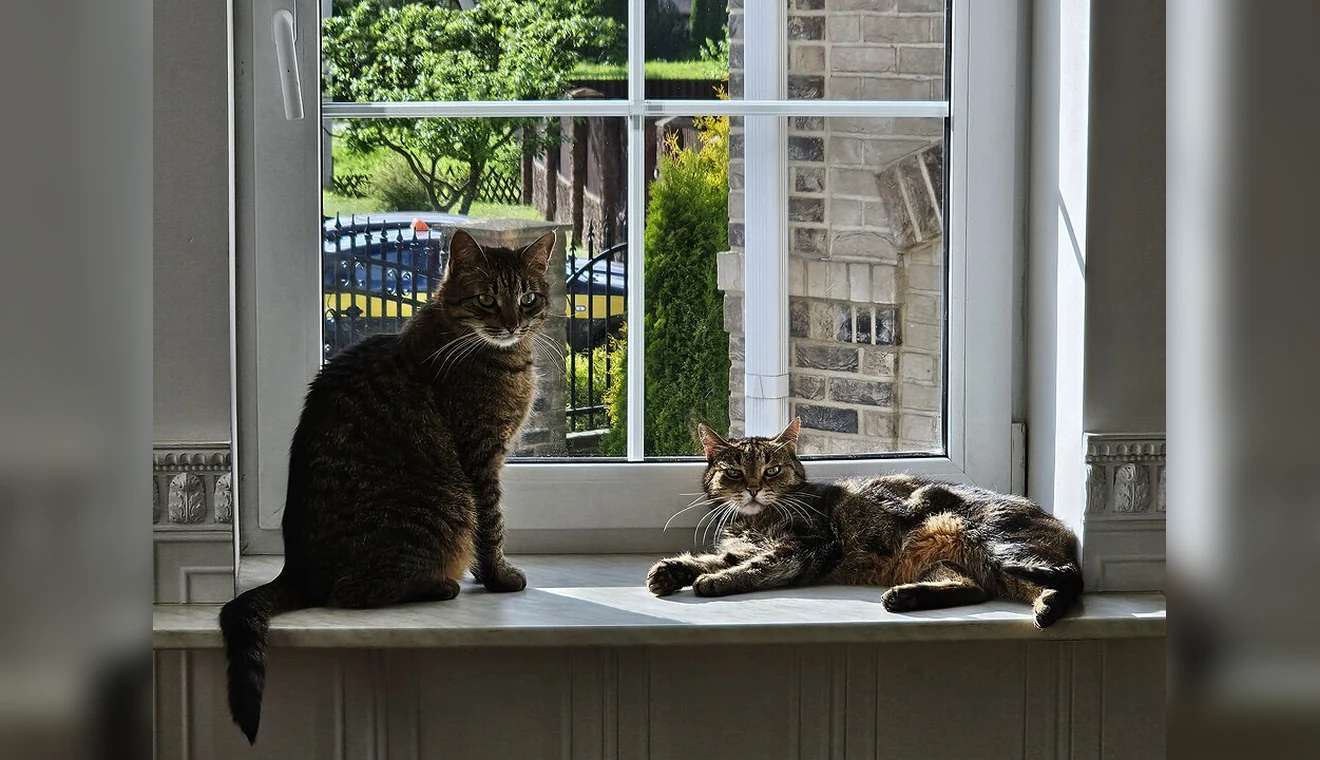
Cats Protection recommends a sequence of sanctuary room, scent swapping, visual contact behind a barrier and brief face-to-face time. Some cats become friends; others learn to coexist without much contact. Either outcome can be acceptable if both animals feel secure.
Before the new cat comes home
Prepare a quiet room that can be closed off completely. Provide its own litter tray, water, food, scratching post, hiding place, bedding and places to climb. A new cat should not have to pass the resident cat to reach essential resources.
If possible, find out what food and litter the newcomer is used to. Changing the environment is stressful enough without changing every other routine at the same time. Ask the rescue or previous owner about the cat's history with other animals, but remember that behaviour in a different household may not predict everything.
Why you should start with separation
The first few days should allow the new cat to settle, eat, explore and rest without being watched by the resident cat. Cats Protection calls this a sanctuary room. Some animals hide at first; that's a sign to reduce pressure rather than drag them from under furniture.
Spend short calm periods with each animal separately. Keep the established cat's feeding and play routine as normal as possible. Avoid allowing them to stare at one another through a partially open doorway before either is ready.
Step one: exchange scent
Rub a clean soft cloth gently around one cat's cheek or forehead when it is relaxed, then place it in the other cat's area for investigation. Cats Protection advises allowing the cat to approach or ignore the cloth; don't push it into the animal's face.
Repeat the process and watch responses. Sniffing calmly and moving away is encouraging. Hissing, backing away or becoming tense indicates that more time is needed. You can also exchange suitable bedding or allow room swaps without direct contact once the cats feel secure.
Step two: positive associations at a distance
Offer each cat its own meal, play or small reward in a position where it can smell the other without feeling trapped. Start far enough from the closed door that both animals remain comfortable. Gradually reduce distance only if their behaviour stays relaxed.
Do not use food deprivation to make an anxious cat approach. Some cats stop eating when stressed, and changes in appetite deserve attention. Our cat not eating guide covers why food refusal should never be ignored.
Step three: let them see one another safely
Once scent swapping no longer causes concern, Cats Protection recommends carefully managed visual contact through a secure glass, mesh or other suitable barrier. A baby gate may need extra mesh or height because many cats can climb or leap over it.
Both animals should be able to retreat to a hiding place or higher shelf. Start with brief sessions and finish while they are still calm. If either cat stares rigidly, growls, lunges or tries to escape, end the session and return to an easier stage.
Step four: short supervised meetings
When repeated barrier sessions go well, allow a brief face-to-face encounter in a room with several exits and elevated resting places. Don't carry the cats towards one another or hold them still. Let them choose whether to approach or keep their distance.
Offer calm praise or a suitable reward, then separate them again before tension builds. Increase the duration slowly over days or weeks. RSPCA notes that introductions may take a week to several months depending on the animals involved.
For households welcoming a dog as well, our cat-to-dog introduction guide covers secure gates, calm meetings and feline escape routes.
What if they hiss or growl?
A brief hiss can be a request for more space. It doesn't automatically mean the introduction has failed. However, persistent staring, stalking, blocking doorways, lunging or fighting indicates that the animals are not comfortable at that stage.
Do not punish hissing or force a 'make up' interaction. Separate the cats calmly using a door or barrier, avoiding your hands near a fight. Wait until both are relaxed, then restart at an easier step. Our cat hiding guide explains why a safe retreat matters for a stressed animal; never allow repeated fights in the hope they will sort it out.
Prevent competition over essential resources
For two cats, aim to provide at least three litter trays, in separate convenient locations, along with multiple feeding and drinking points, resting places and scratching surfaces. Cats Protection stresses that access to resources helps reduce conflict; items grouped together in one corner may still be effectively controlled by one cat.
A confident cat can block a doorway or stare at another without making much noise. Watch whether both animals can eat, sleep, toilet and move around normally. A second cat should improve the household, not force the first to live permanently behind the sofa.
Should you use pheromone products?
A veterinarian or suitably qualified feline behaviourist may recommend a feline pheromone diffuser to help reduce tension, but it is not a replacement for slow introductions and enough resources. Follow the product directions and keep the setup safe.
Avoid strong fragrance sprays or essential oils around cats. A calm environment matters more than an expensive gadget. Keep familiar bedding and routines where possible, and limit noisy visitors during the early stages.
When to get professional help
Seek veterinary advice if either cat stops eating, soils outside the tray, loses weight or develops other signs of stress or illness. If fighting, intimidation or persistent blocking continues, a qualified feline behaviourist can assess the home and develop a specific plan.
Cats Protection's guidance makes clear that two cats may never become affectionate companions. The welfare goal is peaceful coexistence with free access to resources, not staged photographs of them sleeping in the same bed.
How is introducing two adults different from a kitten?
An adult newcomer may have established routines and stronger preferences for space, making careful, unhurried introductions especially important. A young kitten can sometimes be more readily accepted, but a lively kitten may also pester an older cat.
Our introducing a kitten to a resident cat guide covers that age-specific situation. The steps are broadly similar, but two unfamiliar adult cats should be allowed their own pace and safe retreats.
How do you know they're ready to be left together?
Both cats should be able to relax, move around freely and use resources without stalking, chasing or intimidation over repeated supervised sessions. One peaceful meeting is not enough. Gradually increase shared time and keep separate areas available.
If tensions return when you're not present, reconsider whether unsupervised access is appropriate. A barrier or separate rooms may still be needed. Don't rush because you want to reclaim the spare room.
A realistic introduction plan
Start with a secure sanctuary room, swap scent until both cats cope, progress to controlled visual contact and only then use brief, voluntary face-to-face meetings. Provide more resources than the bare minimum, watch body language and seek help early for distress.
Success is two cats feeling safe in the same home. They do not have to cuddle, groom each other or play together to have a good quality of life.
Research and further reading
- Cats Protection: Introducing cats and kittens — sanctuary rooms, scent, barriers and face-to-face stages.
- RSPCA: Introducing cats to other pets — setting up resources and recognising stress.