How to Trim Dog Nails Safely at Home
Click, click, click across the kitchen floor: that sound often makes owners reach for the nail clippers. But not every dog needs the same trimming schedule, and cutting a nail too short can be painful. The safest approach is to check the claws, understand where the sensitive tissue sits and make the experience manageable for your dog.
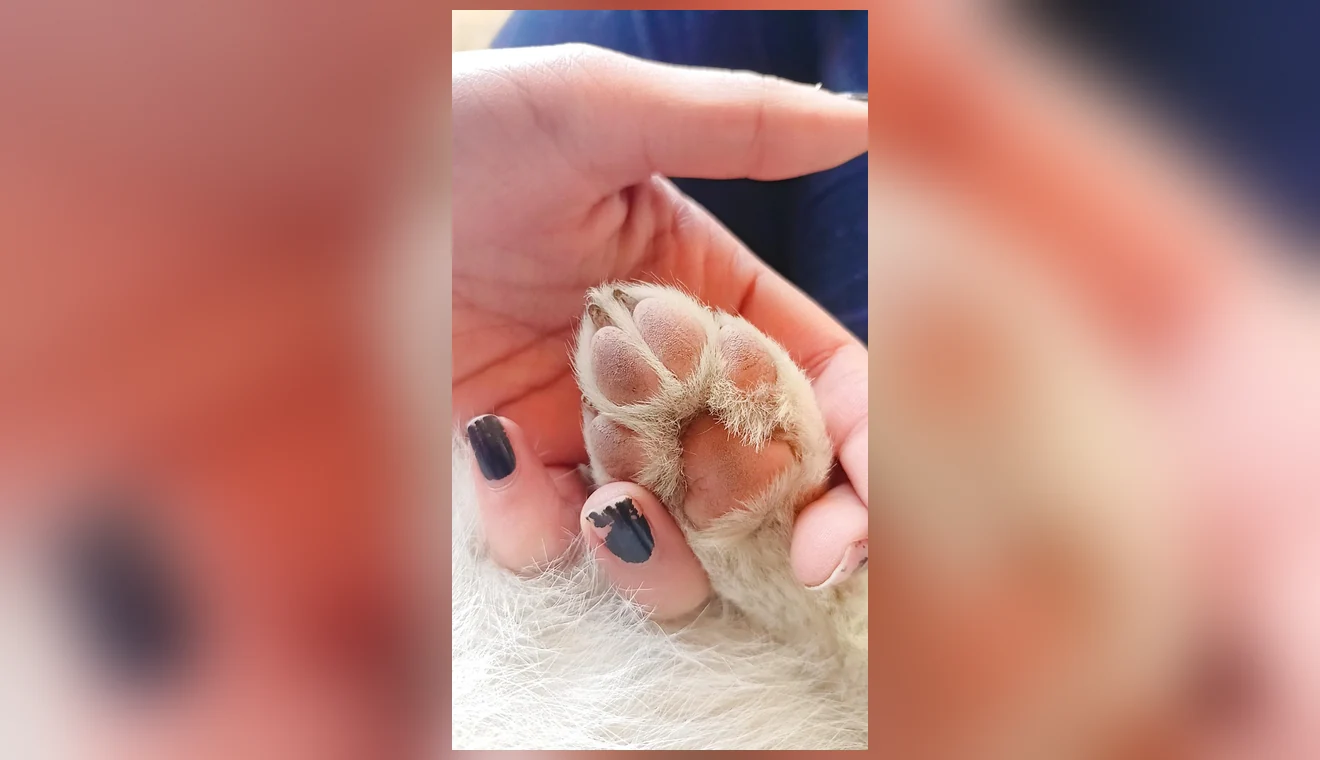
If a claw is broken, bleeding, embedded in a pad or painful, get veterinary advice rather than attempting a routine trim.
How to tell whether your dog's nails are too long
A nail that touches the floor when your dog stands naturally may need attention, although paw shape, breed and gait affect what is normal. Some dogs wear their claws down on regular pavement walks; others spend most of their time on soft grass and need more frequent care.
Look particularly at dewclaws. Those are the higher claws that often do not contact the ground, so they can curl and grow unnoticed.
Check the pads for soreness, uneven wear or changes in posture. If a dog has started limping, chewing at a foot or refusing to walk, do not assume trimming alone will fix the problem.
Understand the quick before cutting
Inside each claw is sensitive tissue known as the quick. It contains blood vessels and nerves. On clear or pale claws the pink part is often visible. On black claws you may not be able to see the boundary at all.
Never try to cut right up against the quick. Leave a sensible margin and remove only a tiny amount at a time. With dark nails, ask your vet or groomer to show you a safe technique before attempting more than the very tip.
Older dogs may have overgrown nails with an extended quick. Trying to shorten them to the ideal length in one session is risky; gradual work and professional advice are safer.
Choose equipment that fits your dog
Use dog-specific clippers in good condition. Guillotine and scissor-style designs can both work, provided they are the right size and their blades are sharp enough to make a clean cut.
A dog nail grinder is another option, especially for animals who tolerate its sound and vibration. Introduce it carefully and avoid holding it in one position long enough to generate heat.
Have small treats ready, work under a bright light and choose a non-slip surface. It may help to have another familiar person offer rewards while you handle one paw, but avoid restraining a frightened dog.
Teach paw handling before bringing out clippers
Begin when your dog is relaxed. Briefly touch a shoulder or leg, reward the dog and stop. Over several short sessions, progress to touching a paw and then gently lifting it.
Show the clippers without using them. Let the dog sniff them if they wish, then reward calm interest. Next, bring the clippers near a foot and immediately put them down.
For a dog with a previous bad experience, this preparation can take days or weeks. It is still faster in the long run than forcing a stressful trim and creating a battle every time.
The step-by-step trimming method
- Set your dog on a stable surface and pick up one paw gently.
- Identify the curve of the claw and, where visible, the pink quick.
- Clip a small piece from the tip, leaving a clear margin from the quick.
- Pause and reward your dog. Examine the cut edge before deciding whether another tiny trim is appropriate.
- Stop if the dog pulls away, becomes stiff, growls or shows distress.
You do not have to finish all the claws in one sitting. Trimming one nail comfortably is a better result than rushing through four paws while your dog struggles.
Remember the dewclaws, but do not stretch the leg into an awkward position to reach them.
What if you accidentally cut the quick?
If the nail bleeds, apply gentle pressure with clean material and seek advice from your veterinary practice. An appropriate styptic product may help, but you should keep the dog calm and prevent licking while the bleeding settles.
If bleeding persists, is heavy or the dog is in obvious pain, contact your vet promptly. Never use human painkillers.
After an accident, give the dog a break from nail care. Rebuild confidence through calm paw-handling sessions before trying again.
What if your dog has black nails?
The pink quick is usually easy to identify on pale claws but can be invisible inside dark ones. Don't guess how far up the nail it extends. If all the nails are dark and you have not been shown a technique, ask your vet or groomer for a demonstration.
A little off the tip, followed by reassessment, is safer than trying to make an overgrown claw short in one session. Older or neglected claws may have a longer quick, so the correct length can take time to achieve.
Dog nail grinders can offer another approach, but some dogs dislike their sound and vibration. They may also create heat if held against the same spot for too long. Introduce the tool gradually and stop if your dog becomes uncomfortable.
When is a groomer or vet the better choice?
If the dog is frightened of paw handling, if the claw is curved into the pad, or if you can't see a safe cutting line, professional help is a sensible choice. The same applies when the dog has arthritis, severe fear, an injured paw or an unusual nail shape.
It is better to book help than to cause painful bleeding. Never give human painkillers after a nail injury.
How often should nails be trimmed?
There is no single correct interval. Check nails regularly, perhaps when brushing your dog or after a walk. A dog who walks on hard surfaces may need less frequent trimming than one who stays mostly on soft ground.
Age, mobility, weight and nail shape matter. When a dog has arthritis or mobility problems, paw positioning itself can hurt, so a professional appointment may be kinder.
The aim is comfortable movement and healthy claws, not meeting a calendar deadline.
Nail trimming versus an itchy or sore paw
Claw length is only one possible cause of paw discomfort. Persistent licking can involve allergies, injury, parasites or infection. If your dog chews their feet even when the nails are a sensible length, discuss ongoing irritation with a vet and see our guide to preparing for a vet appointment.
A routine grooming session is not the time to diagnose a painful foot. Inspect gently and stop if your dog reacts.
Questions owners ask
Are black dog nails impossible to trim at home?
Not always, but they are harder to judge. Ask your vet or groomer to demonstrate where to cut. Tiny incremental trims are safer than trying to remove a large section.
Can walking replace nail clipping?
Walking on pavement can wear some nails down naturally, but dewclaws often remain long. Check the whole paw rather than relying only on the clicking sound.
What if my dog hates having their feet touched?
Work on cooperative handling separately from the nail trim. Forcing contact can damage trust. A groomer or vet experienced with fearful dogs can help create a gradual plan.