Indoor Cat Enrichment Ideas That Fit a Normal Home
An indoor cat doesn't need a room full of expensive gadgets. They need opportunities to behave like a cat: climb, hide, observe, hunt through play, scratch, explore and rest undisturbed.
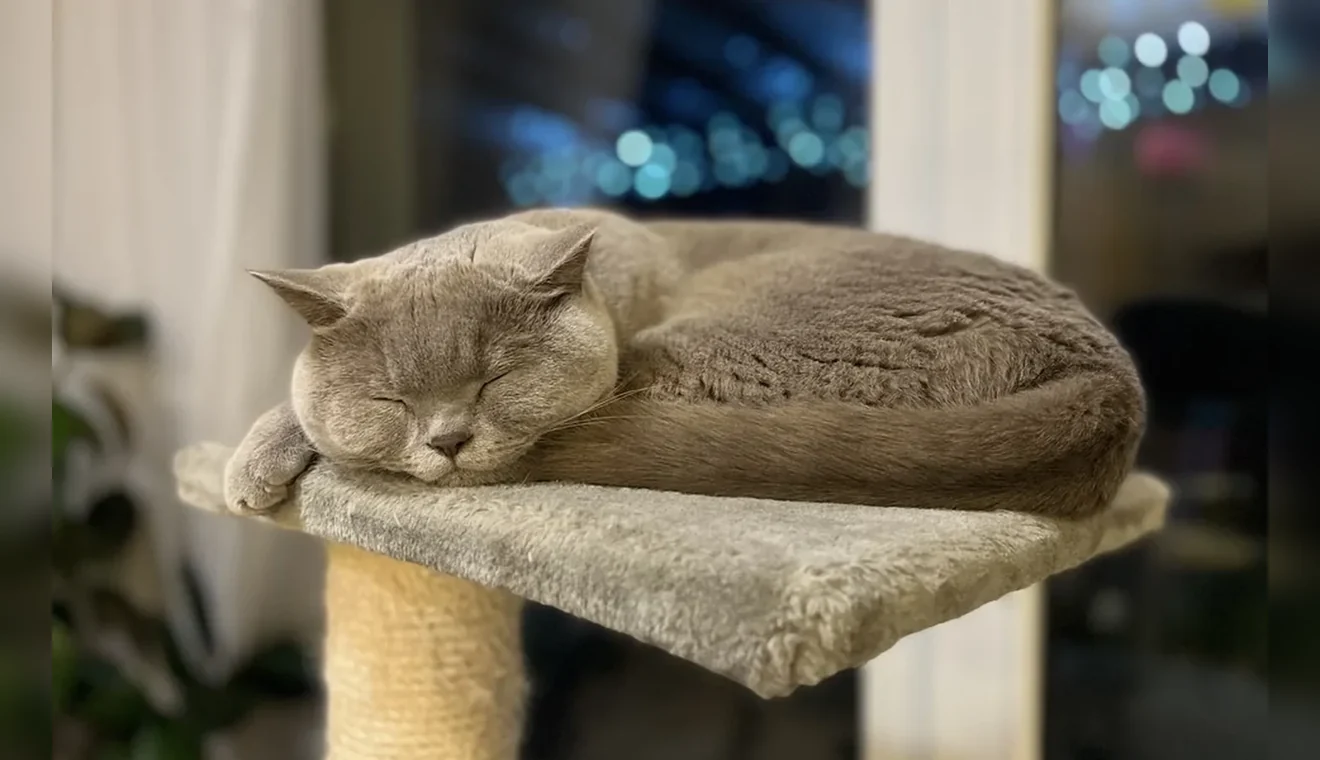
The best enrichment plan is based on what your own cat enjoys. One cat loves chasing a wand toy; another prefers watching birds from a window, and a shy older cat may simply want a quiet shelf where nobody bothers them.
If your cat cries when you leave, investigate the pattern before calling it anxiety; our cat separation-anxiety guide distinguishes boredom from real distress.
Give your cat vertical space
Cats often feel more secure when they can observe from above. A stable cat tree, well-secured shelf or sturdy piece of furniture can offer a perch without sacrificing much floor area.
Check that platforms are large enough for your cat to turn and rest comfortably. Provide a safe way down, particularly for senior cats or animals with reduced mobility.
Do not place climbing routes where the cat could fall onto sharp furniture or hot appliances. Secure tall trees to the wall when necessary.
Make hiding places available
Cardboard boxes are inexpensive and often irresistible. Put one on its side with a soft washable blanket inside, and position it away from household traffic.
Some cats prefer enclosed beds, while others like to hide under furniture. Make sure every cat has a choice of quiet spaces and isn't routinely dragged out for cuddles.
A hiding place is not a sign that your cat dislikes you. Being able to withdraw can improve their confidence and reduce conflict with other pets.
Turn meals into safe foraging games
A portion of a cat's normal dry food can be placed into a simple puzzle feeder, treat ball or a few small dishes around the room.
Start easy. Your cat should succeed quickly rather than become frustrated or miss a meal. Measure the day's total food, especially if your cat is overweight or on a veterinary diet.
Wet food can be offered on a suitable lick mat or in small portions in different locations, provided the mat is cleaned and the food isn't left out too long.
Cats who have stopped eating need veterinary advice, not a more challenging puzzle. Our cat appetite guide covers the warning signs.
Recreate a short hunting sequence
Use a wand toy to mimic prey movements: hide the toy briefly behind furniture, let it dart across the floor, then pause so the cat can stalk and pounce.
Finish with a satisfying 'catch' and a small food reward if appropriate. Laser pointers can leave some cats frustrated when there's nothing physical to catch, so a tangible toy is usually easier to use well.
Keep string, ribbons and feather attachments out of reach when play ends. Swallowed string can cause a serious intestinal injury.
Use windows safely
A secure window perch can provide hours of interest. Watching birds, people and the garden stimulates curiosity even if your cat never goes outdoors.
Check that windows and screens cannot open or give way. Never assume a tilted window is safe for a cat; animals can become trapped in the narrowing gap.
If an outdoor cat regularly approaches the window and yours seems tense, limit the view or adjust the resting area. Not every outside visitor is entertaining.
Rotate rather than accumulate toys
A small selection of toys swapped every few days can remain interesting longer than a floor permanently covered in them. Keep a few favourites, but store extras where your cat cannot access loose parts.
Offer a mixture of textures and movement. Some cats enjoy paper bags with the handles removed, while others prefer soft balls or lightweight mice.
Inspect toys for damage. Remove broken pieces, sharp edges and loose strings that could be swallowed.
Put scratching surfaces in useful places
A scratcher near a sleeping area allows your cat to stretch after waking. A sturdy post at a doorway or in a favourite room can help with scent-marking behaviour.
Offer horizontal and vertical options if you are unsure what your cat prefers. Avoid hiding all the scratchers in a utility room simply because they're less attractive than the sofa.
If upholstery is taking a beating, see our guide to stopping furniture scratching.
Make a simple food puzzle without buying a gadget
Use a small part of your cat's measured daily dry-food allowance. Place a few pieces in an open egg box or in several easy-to-find dishes around a quiet room. At first, let your cat see exactly where the food is.
Once they understand the game, spread the pieces further apart or use a stable purpose-built puzzle feeder. Keep the task easy enough for the cat to succeed. A cat who repeatedly walks away, is recovering from illness or has limited mobility may need a different approach.
Do not leave a cat unattended with plastic bags, long strings, elastic loops or damaged toys. Put fishing-rod toys away after play: loose cord can be swallowed or wrap around a limb.
What if your indoor cat seems bored?
Try one change at a time and watch for a response: a new box, an additional perch, a short wand-toy session or a hiding place. Too much novelty at once can be overwhelming, especially for a shy cat.
A cat who has suddenly stopped playing, eating or jumping may be unwell rather than bored. Make a vet appointment before assuming more toys are the answer.
Make the environment work for multiple cats
Provide more than one feeding area, resting spot and route between rooms. A cat who can only reach food by walking past another cat's favourite hiding place may avoid eating.
Multiple litter trays in separate locations help prevent access being blocked. Water bowls, scratching posts and comfortable beds should also be spread around.
Look at the home from a cat's point of view. Are there dead-end corridors? Can one cat corner another? Can a shy cat move between favourite places without crossing a busy kitchen?
A simple daily rhythm
Try a short play session before breakfast, a quiet food puzzle at midday and another few minutes of interactive play in the evening. Leave plenty of time for sleep.
Enrichment should be enjoyable, not a target that every cat must complete. A disabled or elderly cat may prefer slower toys, lower perches and activities that don't require jumping.
Observe what works and adjust. If a cat becomes more anxious or refuses activities they used to enjoy, consider a veterinary check rather than buying more toys.
Common questions
How often should I play with an indoor cat?
Several short, positive sessions often work better than one exhausting marathon. Your cat's age, health and interest should guide the duration.
Are automatic toys enough?
They can add variety, but many cats benefit from interactive play with a person. Supervise any motorised or string-based toys and check for hazards.
Can an indoor cat be happy without outdoor access?
Yes, if the environment provides choice, security and appropriate opportunities for normal behaviour. Different cats have different needs, so tailor the home rather than relying on one gadget.