Loose-Lead Dog Walking: Teach Your Dog to Stop Pulling
A dog that drags its owner down the pavement isn't necessarily being stubborn. Pulling often works: the dog gets closer to a smell, a person or the park. Unless it learns another way to make progress, the tight lead can become an everyday habit.
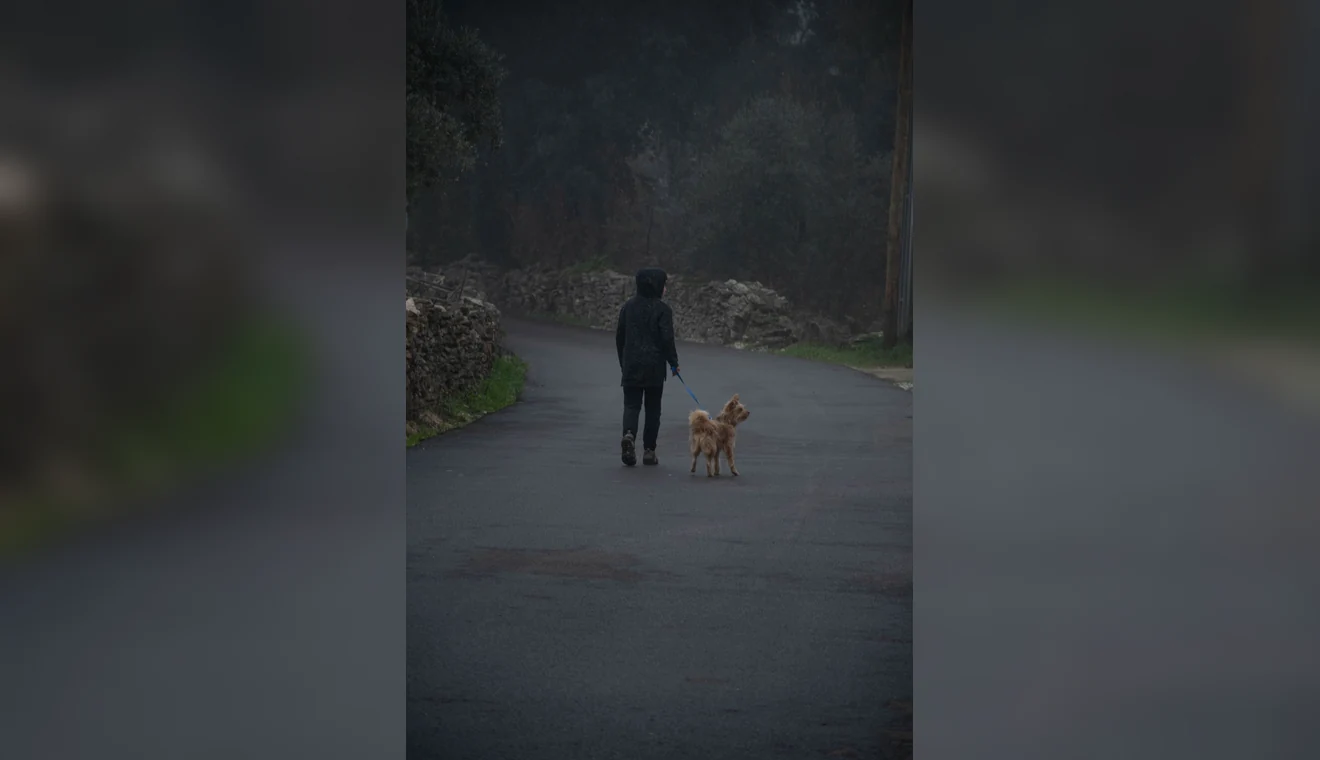
The RSPCA and PDSA recommend reward-based loose-lead training: reward walking with slack in the lead and stop moving when it goes tight. Short, consistent practice in a quiet place is more effective than repeatedly yanking the lead or shouting.
What does loose-lead walking mean?
Loose-lead walking means the lead has visible slack while you and your dog move together.
It doesn't require the dog to stay glued to your knee like a competition obedience exercise.
Dogs naturally want to sniff, investigate and sometimes move a little ahead.
The aim is safe, comfortable shared movement without constant tension on the lead.
Keep expectations appropriate for age, health and the environment.
Why dogs learn to pull
Dogs repeat behaviours that get results.
If pulling towards a tree makes you follow, it can become the quickest way to reach interesting smells.
Some dogs pull because they are excited, frightened, frustrated or desperate to reach another dog.
An animal trying to escape a scary situation needs distance and emotional support, not a stricter correction.
PDSA and Dogs Trust both favour teaching a positive alternative rather than punishing the pull itself.
Choose comfortable walking equipment
Use an appropriately fitted comfortable harness or collar with a suitable ordinary lead.
A well-designed harness can help prevent unnecessary pressure on the neck, but it won't train the dog automatically.
Check rubbing around the shoulders, chest and armpits.
Avoid using a retractable lead for early loose-lead practice, because it repeatedly teaches the dog to pull against tension to extend the line.
Ask an accredited positive-reward trainer about equipment if the dog is very strong or has pain or mobility issues.
Start somewhere boring
Begin indoors or in a quiet secure garden.
Walk a few steps and reward your dog when it stays close enough for the lead to remain slack.
Use small suitable food rewards or praise that the dog genuinely values.
Keep the session brief. A handful of successful steps is enough to begin building the habit.
PDSA recommends practising in manageable environments before taking the skill into distracting locations.
The stop-and-start method
Begin walking with the dog on a suitable lead.
The moment the lead tightens, stop moving. Don't jerk the dog backwards.
Wait quietly. When the dog turns back or creates slack, reward and continue walking.
Repeat every time tension appears. Consistency teaches that pulling doesn't move the walk forward.
At first, you may cover very little distance. That is normal for early training.
Reward the right position
Deliver rewards near the side where you want the dog to walk.
If you reward far ahead of yourself, the dog may surge forward to collect the food.
Praise calm glances back and voluntary check-ins.
As the dog improves, vary rewards and sometimes use permission to investigate a suitable smell.
Don't suddenly stop rewarding just because it managed one good walk.
Turn sniffing into a useful reward
For many dogs, reaching an interesting patch of grass is more exciting than a biscuit.
When the lead is loose, let the dog walk to the scent and investigate for a few moments.
If it pulls hard towards another smell, stop and wait for slack.
This teaches a practical rule: walking comfortably can lead to freedom to explore.
Our How Often Should You Walk Your Dog Guide explains why sniffing is valuable enrichment as well as movement.
Add distractions gradually
Once a dog can walk comfortably around the home, practise in a quiet outdoor area.
Avoid starting beside a busy dog park, school gate or flock of sheep.
Move closer to distractions gradually, while the dog remains able to focus.
If the dog cannot respond to a reward or becomes distressed, increase the distance.
The goal is to create repeated successes, not overwhelm the animal until it gives up.
What if the dog lunges towards other dogs?
Lunging may stem from fear, frustration, intense excitement or a combination.
Do not force a nervous dog into close greetings to “socialise it”.
Provide distance and work with a qualified reward-based behaviour professional when necessary.
Use suitable safety equipment and obey local lead restrictions.
Our Dog Recall Training Guide discusses the separate skill of returning when called; recall is not a substitute for controlled lead handling.
Puppies and loose-lead habits
Young puppies are still learning how to move with a person.
Begin short cheerful sessions at home, using an appropriately fitted harness and suitable food rewards.
PDSA advises making training positive and consistent rather than expecting the youngster to understand adult walking rules.
Puppies need rest and should not be taken on long tiring training marches.
Our Puppy Socialisation Guide covers gradual exposure to new environments without forcing interactions.
Older dogs can learn too
An adult that has pulled for years may need more repetitions because the behaviour has been rewarding for a long time.
Start in an easier setting and break the training into short sessions.
If pulling has suddenly increased, consider pain, vision changes or stress before assuming a training failure.
A senior dog with arthritis may need adjustments to equipment, pace and distance.
The principle remains the same: make comfortable loose-lead movement rewarding.
Should you use a short or long lead?
For ordinary pavement walking and early training, a manageable standard lead can help you keep a safe distance from traffic.
A longer line may be useful in open safe areas for sniffing and recall practice, attached to a suitable harness and handled correctly.
Never let a long trailing line wrap around legs, cyclists or other dogs.
In crowded places, use a shorter controlled arrangement.
Don't interpret a longer lead as permission to let the dog rush towards livestock or strangers.
Why corrections can backfire
A sharp lead yank can be painful and may create fear or frustration.
PDSA explicitly advises against telling off or jerking dogs when they pull.
Some dogs may associate an unpleasant correction with nearby people or dogs, increasing reactivity.
Reward-based training instead teaches the animal what to do to continue walking.
If a method relies on the dog being frightened, choose a safer approach.
A realistic practice plan
| Stage | Location | Aim |
|---|---|---|
| 1 | Quiet room | Several steps with slack |
| 2 | Secure garden | More steps and small turns |
| 3 | Quiet pavement | Short calm stretches |
| 4 | Open low-distraction area | Sniffing without tight lead |
| 5 | Mildly distracting routes | Gradual generalisation |
| 6 | Normal walks | Consistent practice and maintenance |
Move between stages according to the dog's behaviour, not a fixed number of days.
What if walking becomes exhausting?
Keep ordinary welfare and exercise needs separate from formal lead-training sessions.
A dog still needs appropriate activity while learning. Use safe sniffing opportunities, quiet routes and controlled exercise.
Don't insist on spending every minute of a long walk in a difficult stop-start exercise.
A few good training minutes followed by a suitable enjoyable walk is a sensible compromise.
Seek help if the dog is powerful enough that the handler cannot remain safe.
Common loose-lead mistakes
Walking forwards while the lead is tight
This can reinforce pulling.
Jerking the dog backwards
Pain and fear do not teach the desired behaviour.
Starting in the busiest park
Begin where the dog can focus.
Rewarding only when the dog is already pulling
Notice and reward slack-lead walking early.
Expecting instant results
Consistent practice is more important than a quick fix.
Frequently asked questions
How long does loose-lead training take?
It depends on the dog's history and the environment. There's no reliable universal timetable.
Can a harness stop pulling by itself?
No. A suitable harness can help comfort and management, but training still matters.
Should I never allow my dog to sniff?
Sniffing is valuable. You can make access to smells a reward for walking without tension.
Is this the same as recall?
No. Loose-lead walking and returning when called are separate skills.
Teach the walk you actually want
A useful everyday walk allows your dog to sniff, explore and move comfortably without dragging you around.
Reward the moments of slack, stop when the lead tightens and build difficulty patiently. The goal is a habit both of you can enjoy.
Sources and further reading
- RSPCA: Train Your Dog to Stop Pulling — positive loose-lead training steps.
- PDSA: Training Dogs Not to Pull — stop-and-start technique, treats and no jerking.
- Blue Cross: Dog and Puppy Training — reward timing and walking practice.