Pet Rat Diet: What to Feed Rats Every Day
Pet rats will happily investigate most foods you offer, but that doesn't mean every snack is suitable. They are intelligent, social omnivores, and feeding them well means more than filling a bowl with a colourful small-animal mix.
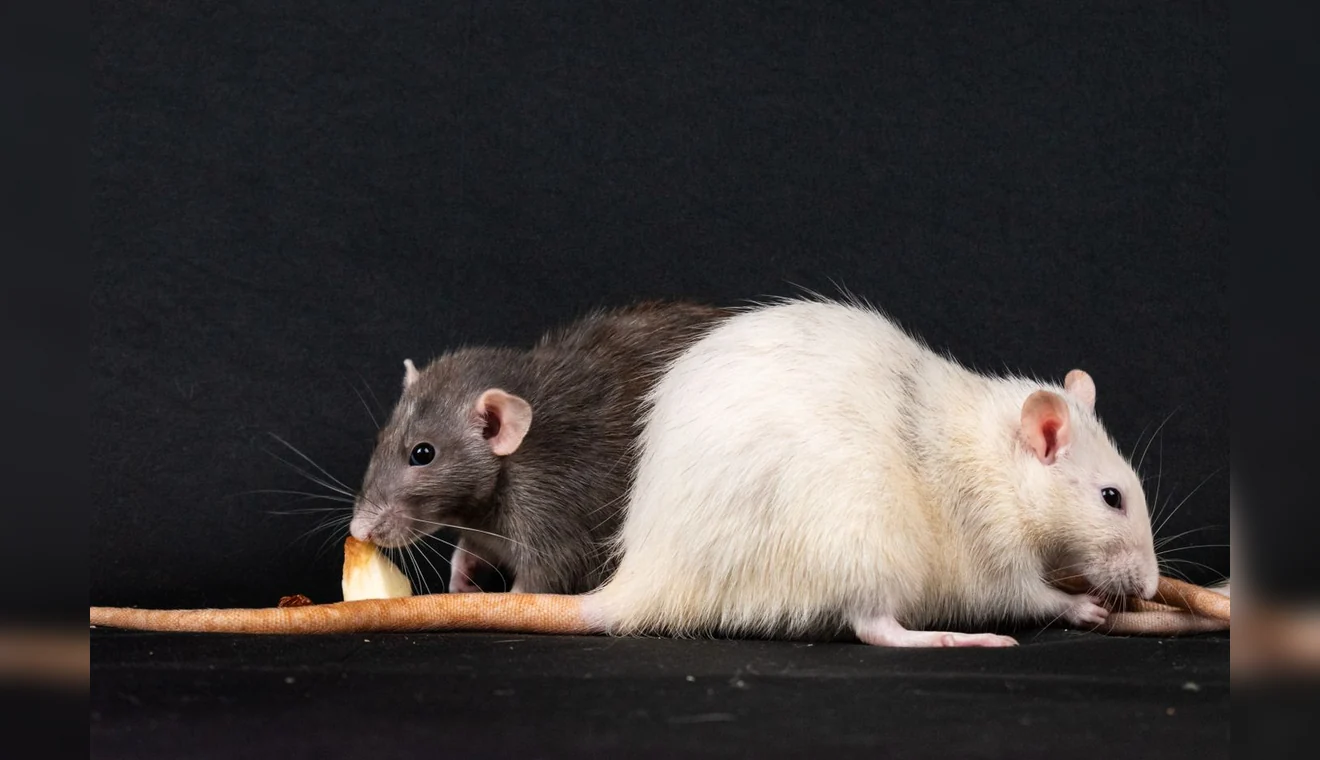
Use a suitable complete rat pellet or nugget as the main diet, with small portions of safe fresh foods and constant access to clean water. Offer some food as a foraging activity so your rats can search and explore instead of simply emptying a bowl.
What should pet rats eat?
The RSPCA recommends commercially prepared food designed specifically for rats, supplemented with appropriate small amounts of other foods.
| Food | Purpose | Practical advice |
|---|---|---|
| Complete rat nuggets | Nutritionally balanced staple | Follow product guidance and monitor body condition |
| Fresh vegetables | Variety and extra nutrients | Small washed portions, introduced gradually |
| Suitable fruit | Occasional variety | Small amounts rather than a large daily sweet snack |
| Cooked egg or suitable lean protein | Occasional addition | Keep portions small and food properly cooked |
| Seeds and nuts | Foraging rewards | High-energy treats, not unlimited food |
| Clean water | Essential hydration | Check bottles morning and evening |
Rats should not be fed rabbit, guinea pig or hamster pellets as their main food. Those species have different dietary needs, and the RSPCA explicitly warns against substituting their feeds.
Why a complete rat food is the easiest starting point
Mixed foods can encourage selective eating: a rat picks the tasty high-fat pieces and leaves behind less appealing parts.
A complete nugget gives each piece a consistent nutrient balance. That makes it easier to monitor how much your rat actually eats.
Weigh the daily amount according to the food maker's guidance, age, weight and individual body condition. A growing young rat and a senior with medical problems may need different amounts.
If rats are losing weight, drinking unusually or refusing food, seek veterinary advice rather than automatically increasing treats.
How often should you feed rats?
The RSPCA suggests feeding rats twice daily, in the morning and evening. Rats tend to be especially active around dawn and dusk, so this routine suits their natural pattern.
Split the measured food allowance, and remove perishable leftovers before they spoil.
Don't assume a nearly empty bowl proves that every animal ate its share. Rats may hoard food in shelters, and one confident animal may take more than another.
In groups, provide several feeding positions. Watch the smallest or quietest rats to ensure they can access food without conflict.
Vegetables suitable for pet rats
The PDSA recommends small amounts of fruit and vegetables alongside complete rat food. Introduce unfamiliar vegetables slowly and keep portions modest.
Washed carrots, peas, broccoli or other suitable vegetables can provide variety. Offer soft cooked items only after cooling, without salt or seasoning.
Avoid feeding unknown garden plants, pesticide-treated produce or food that has begun to spoil.
One rat may prefer a crunchy piece; another may leave it untouched. That's normal, provided the underlying complete diet remains appropriate.
Vegetables add variety, but they are not a replacement for properly formulated rat nuggets.
How much fruit is too much?
Fruit is sweet, so think of it as a small occasional addition rather than the main fresh food.
The RSPCA advises avoiding some foods entirely, including citrus fruits and grapes or raisins, in its rat-diet guidance. Follow reputable species-specific advice rather than assuming everything safe for humans is safe for rats.
Small portions of a suitable fruit, offered under an appropriate diet plan, may provide variety. Remove seeds, stones and any parts with uncertain safety.
If you are unsure about a particular item, leave it out until you've checked with a rat-aware vet or reliable welfare source.
Foods and treats to avoid
The RSPCA lists onion, citrus fruits, walnuts, rhubarb, grapes, raisins and chocolate among foods to avoid for pet rats.
Avoid alcohol, caffeinated drinks, very salty snacks and sugary human desserts. Don't offer food with unknown seasonings or artificial sweeteners.
Rats can be enthusiastic scavengers. That curiosity is precisely why you shouldn't let them investigate open bins or plates left near their play area.
An animal that has swallowed something potentially poisonous needs prompt veterinary advice. Don't wait for a symptom to appear before asking what to do.
Can rats eat meat, eggs and insects?
Rats are omnivores. The RSPCA and PDSA include occasional suitable animal-source protein as part of a varied diet.
A small piece of thoroughly cooked, unseasoned egg may be appropriate as an occasional addition, depending on the animal's needs.
Avoid raw or spoiled meat and don't make high-protein extras the centre of the diet. Complete rat food is formulated to cover ordinary nutritional requirements.
For a pregnant animal, youngster or rat with kidney disease or another health problem, ask a vet about any dietary adjustment.
Water: bottles, bowls and checking access
Keep fresh water available continuously. The RSPCA recommends multiple working drinking bottles so rats do not have to compete and have a backup if one blocks.
Check the drinking spouts morning and evening. A full bottle doesn't help if the ball bearing has jammed.
Clean bottles regularly, including the nozzle, to prevent build-up.
If a rat is suddenly drinking much more, drinking less or showing signs of illness, seek veterinary advice. Changes in water consumption may indicate a medical issue.
Make food into enrichment
Scatter some of the measured dry food through clean cage substrate or hide a few pellets in safe cardboard tubes.
The RSPCA recommends encouraging normal foraging. A rat can enjoy manipulating a suitable piece of food with its paws and searching for it in more than one location.
Count all rewards in the day's normal allowance. If every activity includes extra nuts and seeds, the calories soon add up.
For groups, provide more than one puzzle so a dominant rat cannot guard all the food.
Our Pet Rat Bedding Guide explains suitable low-dust cage materials that can support normal foraging without harming sensitive airways.
Feeding new or recently adopted rats
Ask the rescue or breeder what food the animals currently eat. Sudden major changes can upset digestion.
Introduce the new complete food gradually alongside familiar food, provided there is no urgent veterinary reason to change immediately.
Observe individual rats for normal appetite, droppings and energy. A newly adopted rat may hide food or wait until the room is quiet to eat.
If you have several rats, weigh them periodically and watch for individuals that become noticeably thin or overweight.
What if one rat is getting fat?
Obesity increases health risks and can make moving and grooming more difficult. First check whether food is measured and whether treats are being counted.
Don't put the entire group on a severely restricted ration because one animal is gaining weight. A vet can assess body condition and help plan individual feeding.
Encourage movement with safe climbing, tunnelling and scattered food rather than simply taking away the animal's regular nutrition.
A rat losing weight unexpectedly needs veterinary assessment, especially when accompanied by thirst, breathing changes or a reduced appetite.
How to recognise a feeding problem
A healthy rat should normally be interested in food, maintain an appropriate body condition and behave consistently with its usual routine.
Seek veterinary help for sudden refusal to eat, weakness, persistent diarrhoea, difficulty chewing, drooling or rapid weight change.
Dental problems, respiratory illness and other conditions can affect feeding. A bowl full of food does not rule out illness.
Keep notes about the exact food, portions and changes; this is more useful to the vet than a vague report that the rat has been “a bit fussy”.
Common rat-diet mistakes
Feeding rabbit or hamster pellets
They don't provide the appropriate balanced diet for rats.
Relying on a selective seed mix
Rats may pick out the fatty pieces and leave the rest.
Giving fruit as the daily main food
Fruit is a small addition, not a balanced meal.
Forgetting hidden food
Rats hoard. Old food can spoil inside nests.
Leaving only one bottle for a group
Multiple drinking points help avoid competition and blocked-spout emergencies.
Pet rat feeding questions
How many meals do rats need?
The RSPCA suggests morning and evening feeding, with the daily amount tailored to the rat and the chosen food.
Can rats eat human leftovers?
Do not assume leftover meals are suitable. Many contain salt, onion, garlic, sauces or other inappropriate ingredients.
Do rats need fresh vegetables daily?
Suitable small portions provide variety, but the complete rat food remains the main nutritional foundation.
Can I hide food in the cage?
Yes, if the substrate is safe and you remove spoiled leftovers. Scattering part of the measured ration encourages natural foraging.
Keep it balanced and interesting
A complete rat nugget, measured portions, some appropriate fresh foods and several clean water points create a solid feeding routine.
Then make a little of the normal food more interesting by scattering it or hiding it safely. Your rats get both reliable nutrition and something worthwhile to investigate.
Sources and further reading
- RSPCA: What to Feed Pet Rats — balanced pellets, unsuitable foods, frequency and foraging.
- PDSA: Rats as Pets — rat nutrition, housing and daily care.