Puppy Toilet Training: A UK Routine That Actually Makes Sense
Bringing a puppy home means accepting that there will be accidents. A puppy doesn't arrive knowing which door leads to the garden, and it may not be physically able to wait as long as an adult dog.
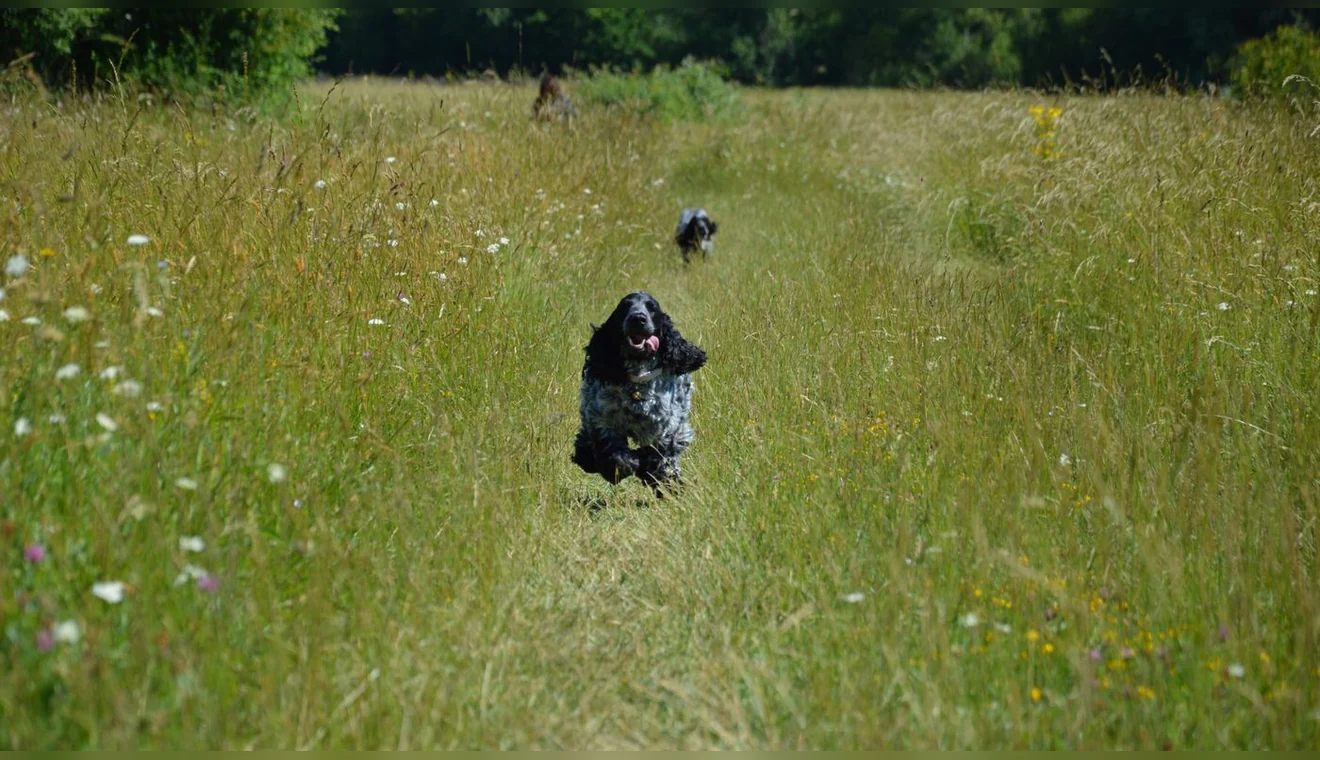
Successful puppy toilet training comes from giving frequent opportunities to go outside, rewarding the behaviour immediately and cleaning accidents calmly. PDSA recommends taking young puppies out roughly every two to three hours during the day, and especially after sleeping, eating and playing.
When should you start toilet training?
Start as soon as the puppy comes home, with a simple consistent routine.
Show it where the toilet area is, make it easy to access and take it outside regularly. Young puppies are still learning how their bodies work and may have little warning before they need to go.
Don't expect a dog to understand that the kitchen floor is wrong but the patio is right until you've given it opportunities to learn.
Use a calm, predictable approach rather than trying to control every accident through constant correction.
How often should a puppy go outside?
The PDSA suggests toilet opportunities every two to three hours during the day, but many very young puppies need more frequent visits.
Take the puppy out:
- Immediately after waking in the morning or after naps.
- Shortly after each meal or large drink.
- After an exciting play session.
- Before settling down for the night.
- Whenever you notice circling, sniffing or searching for a corner.
The two-to-three-hour interval is not a rule that the puppy must be able to hold urine that long. Follow its actual needs.
Choose one easy toilet area
Pick a quiet, accessible spot that is safe for the puppy and where you can accompany it without too much fuss.
If you have a garden, check that it is secure and not contaminated with fertilisers, pesticides, sharp objects or unsafe plants.
Some puppies are distracted by grass or garden sounds. Stand still, keep your voice gentle and give the dog time to investigate.
Use a suitable lead if necessary so the puppy can focus without chasing leaves or running away.
The aim is to make the desired place familiar and predictable.
Reward immediately after the puppy toilets
As soon as the puppy has finished toileting in the right place, praise it calmly and offer a suitable small food reward.
Timing matters. A reward several minutes later in the kitchen may not help it connect the treat with going outside.
Choose a consistent short cue such as “toilet” or “go wee” if you like. Say it calmly while the dog is beginning the action, then reward completion.
Don't shout excitedly mid-wee, because that might interrupt the puppy and cause the rest of the toilet to happen indoors.
PDSA supports rewards and praise as the foundation of successful training.
What if the puppy doesn't go?
Wait a few minutes in the usual area. If nothing happens, take the puppy back inside and supervise closely.
Try again after a short period rather than leaving it unsupervised to have an accident.
Don't keep the dog outside in freezing rain for twenty minutes hoping it will eventually obey. Make the opportunity safe and comfortable, then repeat as necessary.
If the puppy is consistently frightened of the garden, check for environmental causes such as loud traffic or other animals.
How to spot the warning signs
Puppies often sniff the floor, turn in circles, leave a game, wander towards a doorway or suddenly become restless before toileting.
Learn the individual dog's pattern rather than waiting for a dramatic signal.
Keep an eye on when accidents occur. A note such as “three accidents after lunchtime play” may tell you the puppy needs a toilet trip at that point.
With experience, many puppies begin looking towards the door or moving to their usual toileting area.
That is progress, but it doesn't mean they can reliably hold on for several hours.
What to do when there's an accident
Never punish a puppy for toileting indoors. Don't shout, rub its nose in urine or carry it outside while angrily telling it off.
PDSA explains that punishment can make training harder and does not teach the dog where to toilet.
If you catch the dog just starting, calmly interrupt if practical and guide it outside. Reward if it completes toileting in the chosen area.
Clean the floor thoroughly with a pet-safe enzymatic cleaner suitable for the surface, following the product instructions. Old smells can encourage repeat use of the same spot.
Avoid cleaners that leave strong irritating residues, and keep the puppy away until the surface is safe.
Nighttime toilet training
A very young puppy may need to toilet overnight. That is normal and should be planned around its age and individual ability.
Keep nighttime trips calm, brief and boring. Go to the usual place, allow the dog to toilet and return it gently to its sleeping area.
Don't turn a 2 am toilet break into a lively game or long play session.
Gradually adjust the routine as the puppy grows and demonstrates it can sleep for longer without distress.
If the puppy is whining persistently, consider comfort, fear, toileting needs and health rather than assuming it is manipulating you.
Crates and puppy pens
A correctly introduced crate or pen can be useful for rest and supervision, but it isn't a magic toilet-training device.
A puppy should never be confined for so long that it has no option but to soil the sleeping area. Choose an arrangement that suits its size, sleeping needs and toileting abilities.
Introduce resting spaces positively. Use comfortable bedding and never make the crate a punishment.
If your routine means the puppy will be alone for long periods, arrange appropriate care and toilet breaks rather than expecting it to wait.
Puppies need plenty of daytime sleep and social contact too.
Toilet training in a flat without a garden
It may take more planning to get outside quickly, especially from an upper floor.
Prepare suitable footwear, a lead and a safe route in advance. Carry a tiny puppy if necessary and appropriate, taking account of local environmental disease risks and veterinary vaccination advice.
If going outside isn't practical at every stage, discuss a temporary indoor toileting plan with a vet or qualified positive-reward trainer.
Be consistent about where you want the dog to go in the long term. Frequent random changes can slow learning.
Clean the shared areas carefully and be considerate to other residents.
Should you use puppy pads?
Pads can be useful in some circumstances, but they may also teach the puppy that indoor surfaces are acceptable toilet places.
If your goal is outdoor toileting and safe access is possible, supervised trips to the chosen outside area are usually clearer.
When indoor facilities are necessary, establish a sensible transition plan instead of punishing the dog for using an area it was previously taught to use.
Avoid leaving pads where the puppy tears or swallows them.
A positive-reward trainer can help if the animal has built a strong preference for a particular indoor surface.
How long does toilet training take?
There is no reliable universal timetable. PDSA notes that some puppies learn quickly and others need much longer, with ordinary accidents along the way.
Breed, individual development, routine, health and how often the owner can supervise all influence the process.
Look for trends: fewer accidents, clearer signals and longer appropriate intervals as the dog matures.
Don't compare your puppy with a social-media video claiming a completely accident-free three-day training method.
When accidents might indicate a medical problem
Contact a vet if the puppy is straining to urinate, passing very little urine frequently, has blood in the urine, seems painful or becomes unusually thirsty.
Repeated diarrhoea, vomiting, lethargy or loss of appetite also need veterinary assessment.
A sudden return of frequent accidents in a previously trained puppy may indicate illness, stress or a changed routine.
Training can help with learned habits, but it cannot treat a urinary tract infection.
Common toilet-training mistakes
Taking the puppy outside only after accidents
Use a predictable preventive routine.
Punishing accidents
This creates fear rather than teaching the correct location.
Rewarding too late
Praise and reward immediately after toileting outside.
Expecting a young puppy to wait all day
Their bladder control is still developing.
Changing the toilet area constantly
A familiar safe place makes learning easier.
Puppy toilet-training questions
How often does an eight-week-old puppy need the toilet?
Very frequently. PDSA suggests roughly two-to-three-hour daytime opportunities as a starting point, plus extra trips after meals, naps and play; many youngsters need more.
Should I wake the puppy at night?
The right nighttime arrangement depends on age and the individual's needs. Plan brief toilet opportunities if the puppy cannot yet sleep through comfortably.
Can a puppy be trained without treats?
Food rewards can be helpful, but suitable praise, play and other rewards may also work. Use what the individual values.
What if it keeps going in the same indoor corner?
Clean the area thoroughly, improve supervision and increase trips to the designated outside location.
Consistency is more useful than punishment
Toilet training is a series of small opportunities for the puppy to succeed. Take it out before the accident, make the correct place easy to reach and reward immediately.
With time and patient supervision, most puppies become more reliable. Early handling and new experiences should be just as gentle; see our Puppy Socialisation Guide for a safe, positive approach. The toilet-training process should never depend on frightening them.
Sources and further reading
- PDSA: Toilet Training Your Puppy — daily routine, two-to-three-hour guidance, rewards and accidents.
- PDSA: Your Puppy's First Day and Night — settling, rest and toilet opportunities.