Rabbit Not Eating: What to Do Right Now
A rabbit who ignores breakfast is not behaving like a dog who might skip a meal. Rabbits need a steady supply of fibre moving through their digestive system. When they stop eating, the situation can become dangerous quickly.
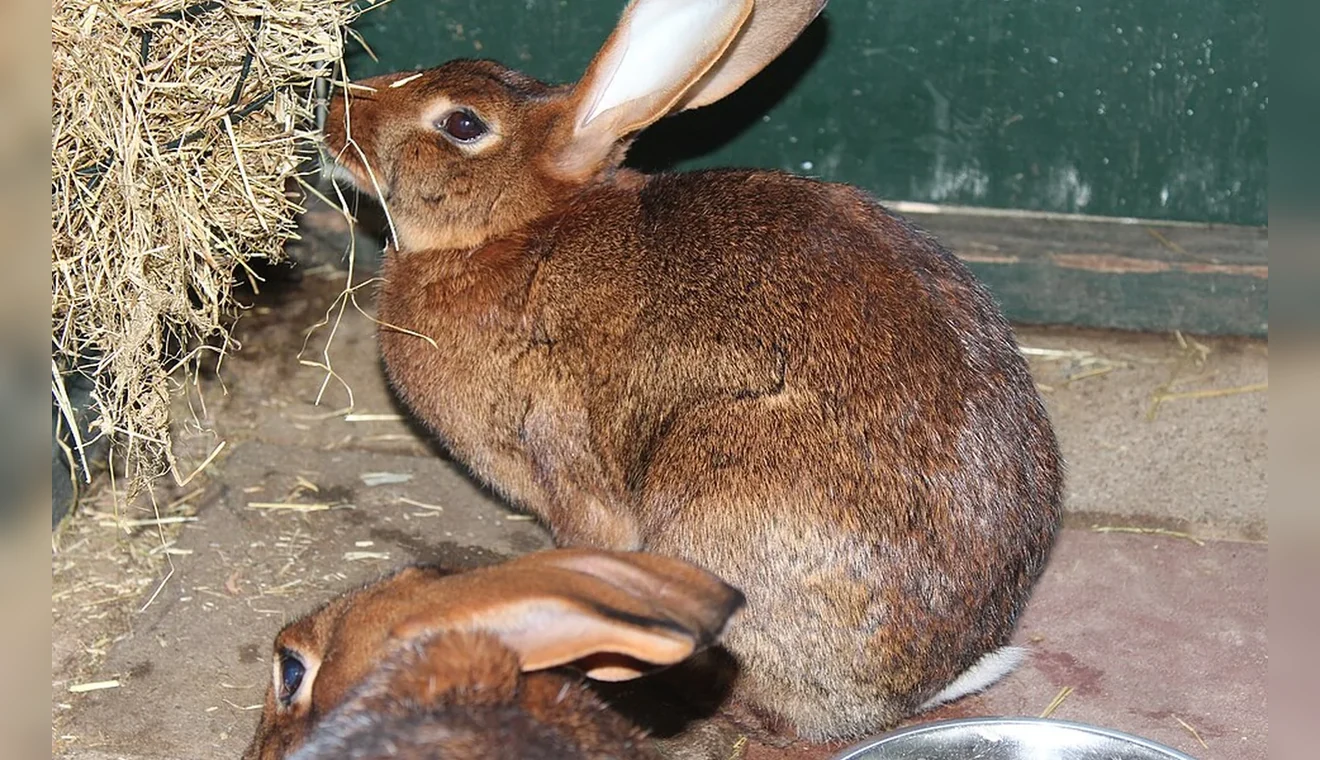
Call a rabbit-savvy vet immediately if your rabbit is eating less than normal or has stopped passing droppings. Don't wait until tomorrow, and don't spend hours trying different treats first. Loss of appetite may be a sign of gut stasis, pain, dental disease or a blockage. Home treatment can be dangerous if the gut is obstructed.
First, check what has changed
Look at the hay, not just the food bowl. A rabbit may still accept a favourite treat while refusing the fibrous hay they need. Notice whether their usual hay pile is untouched or the number of droppings has dropped.
Check their posture and behaviour. Is the rabbit hunched, hiding, unusually quiet or grinding their teeth? Is their belly swollen? Are they reluctant to move?
Any of these signs strengthens the need for immediate veterinary help. If you have two rabbits, establish which animal is not eating so the vet can assess the right patient.
Why gut stasis is so serious
Gut stasis means the movement of food through the intestines has slowed dramatically or stopped. It can occur with pain, dehydration, dietary problems, stress or other illnesses, and in turn can cause more pain and appetite loss.
A physical blockage is another possibility, and it may require a different treatment. That is why guessing at a home remedy is risky.
Rabbits may continue to look relatively alert early in a serious illness. Their instinct to hide weakness means a 'still hopping about' rabbit is not necessarily safe to leave until morning.
Common reasons rabbits stop eating
Dental disease is a frequent cause. Rabbit teeth grow continuously, and painful spurs or root problems can make chewing difficult. A rabbit may pick at soft food while avoiding hay.
Stress or sudden changes can reduce appetite. A move, a new companion, loud building work or an abrupt diet switch can contribute, but stress should never be used to dismiss a medical emergency.
Pain elsewhere matters too. Urinary problems, injuries and respiratory illness can all make eating less appealing.
The vet will examine the rabbit and may recommend dental assessment, imaging, fluids, pain relief or other treatment according to the findings.
Call now: the information that helps your vet
Tell the receptionist when your rabbit last ate hay normally, whether they are still accepting pellets or favourite greens, when you last saw normal droppings, and whether they seem hunched, weak, bloated or in pain.
Mention any recent dental treatment, surgery, new medication, housing change or sudden diet change. If the rabbit lives with a companion, explain how you identified which one is not eating.
The Rabbit Welfare Association & Fund states that a rabbit not eating, with no droppings and appearing depressed needs immediate veterinary assessment. The PDSA similarly recommends contacting a vet as soon as a rabbit stops eating properly. Don't wait to see whether a sweet treat persuades them to eat.
Ask the practice how to transport your rabbit safely. Keep handling gentle and do not allow the animal to overheat or become chilled. Bring a small sample or photograph of the most recent droppings if you can, but never delay leaving to collect one.
What to do while arranging veterinary care
Keep your rabbit in a calm, safe environment with fresh hay and water available. Make note of when they last ate and when you last saw normal droppings.
If safe to do so, bring some of the rabbit's usual food, a photograph of droppings and a concise list of symptoms to the appointment.
Do not force-feed or syringe-feed without veterinary instruction. If there is a blockage or the rabbit is not swallowing normally, this could be harmful. Do not give human medication or unprescribed gut stimulants.
What about a rabbit who is eating less but not nothing?
Reduced hay intake is still concerning. A rabbit who eats only pellets or greens may have mouth pain that needs investigation. Smaller or fewer droppings suggest the digestive system is already being affected.
PDSA advises contacting the vet immediately when a rabbit is not eating properly, not waiting for all food intake to stop.
If the animal has become weak, cold, collapsed or unable to move normally, treat it as an emergency and follow your veterinary practice's directions for transport.
Prevention starts with everyday feeding
Healthy rabbits need unlimited good-quality hay or grass. A suitable diet also includes a variety of safe leafy greens, a small measured ration of rabbit nuggets and constant access to fresh water.
Avoid sudden changes of food. Introduce new greens gradually and monitor droppings after changes.
See our complete rabbit diet guide for the everyday balance and common mistakes that can contribute to digestive and dental trouble.
Check the environment as well
A secure, quiet home reduces unnecessary stress. Rabbits should have room to move, somewhere to hide, suitable flooring and appropriate companionship.
Cold, damp, overheated or poorly ventilated housing can contribute to health problems. Check that drinking water is accessible and not frozen if animals live outside in winter.
Arrange regular veterinary care, including dental assessment where indicated. Problems are easier to manage before an animal stops eating.
After the vet appointment
Follow the prescribed feeding, fluid and medication plan exactly. Ask how much food and how many droppings you should expect to see, and when to contact the practice again.
Monitor appetite and faeces carefully. A single nibble of hay is not proof the rabbit has fully recovered.
If symptoms recur or the rabbit fails to improve as expected, seek veterinary advice promptly. Recurring episodes may mean the original cause has not been resolved.
Common questions
Can rabbits miss a meal safely?
It is not safe to assume so. A rabbit's digestive system relies on frequent intake. Contact a vet promptly when eating falls below normal.
Should I offer a carrot?
A treat does not solve gut stasis, dental pain or an obstruction. Keep familiar hay available but arrange veterinary care rather than testing the rabbit with sweet food.
What if my rabbit has no droppings?
A sudden drop or complete absence of normal droppings, especially alongside reduced appetite, is an urgent reason to contact the vet.