Bearded Dragon Humidity: Safe Range, Wet Hides and Monitoring
A humidity display reading 65% can make a bearded dragon owner panic—especially after reading older advice that a desert lizard must never experience moisture. In reality, bearded dragons encounter varying humidity across the day and may seek damp burrows for shelter.
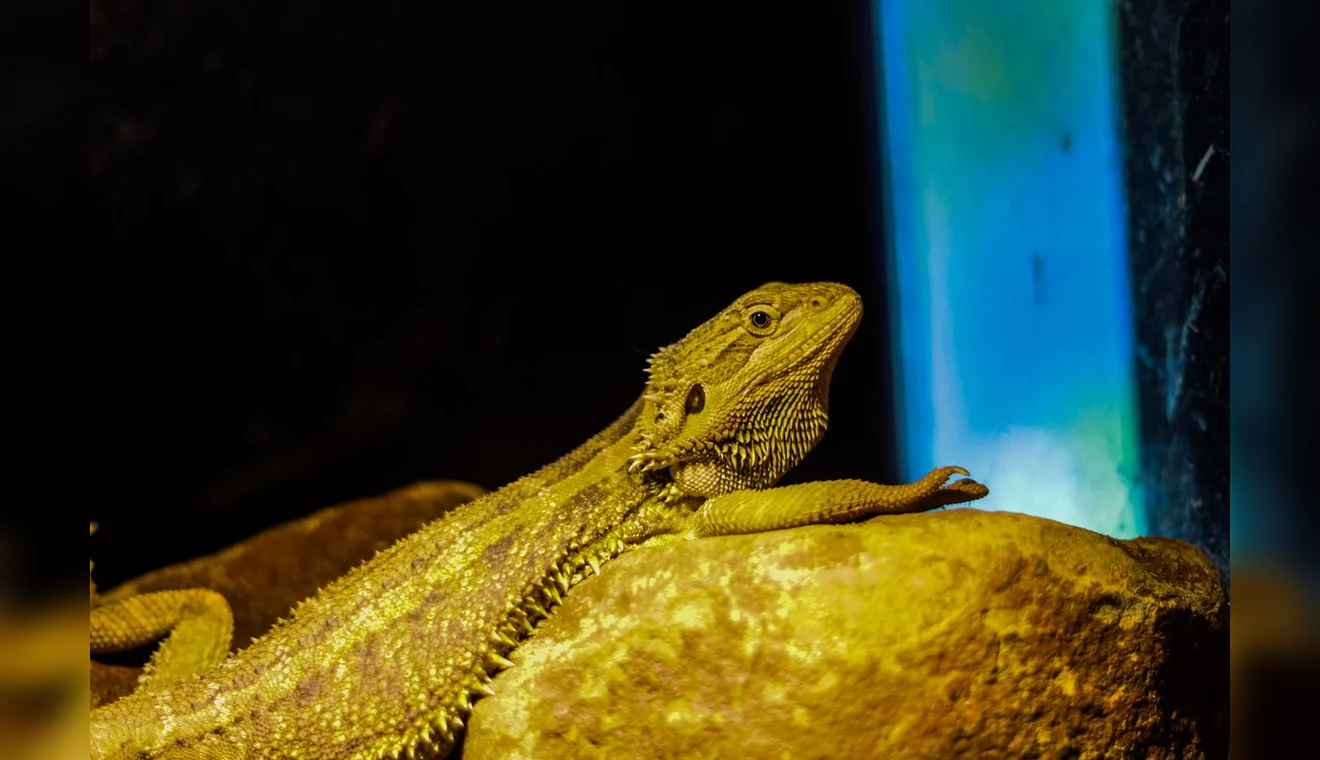
ReptiFiles recommends an average ambient enclosure humidity of about 30–60%, measured on the cooler side using a digital probe hygrometer. Daily fluctuations are normal. The important issues are ventilation, adequate heat, a chance to dry out and access to appropriate local humidity.
What humidity should a bearded dragon have?
For a captive central bearded dragon, Pogona vitticeps, ReptiFiles describes a typical 30–60% average ambient humidity. This is an average, not a rule that every sensor reading must stay inside a narrow band every minute.
Humidity varies across a well-designed enclosure. The hot basking area can be much drier than the cool end, and the reading may rise at night.
| Place or condition | What to expect |
|---|---|
| Cooler side, daytime | Good place to monitor average enclosure humidity |
| Hot basking area | Often much lower relative humidity |
| Overnight | Relative humidity may rise naturally |
| Moist retreat or burrow | Local humidity can be higher than the open enclosure |
| Persistently wet, stagnant enclosure | A husbandry problem needing attention |
A single number without temperature or sensor location can mislead you.
Why older advice said to keep it extremely dry
Bearded dragons come from Australian habitats that include arid and semi-arid regions. That doesn't mean they live all day on bone-dry exposed rock.
In the wild they also shelter in burrows and beneath vegetation, where temperature and moisture differ from exposed ground.
The ReptiFiles care guidance notes that these humid retreats can help prevent dehydration. A dry open area and a more humid shelter provide choices.
The goal is not to fill the enclosure with mist. It is to recreate a sensible environmental gradient with both dry and appropriately moist microclimates.
Where to place a hygrometer
Use a digital probe hygrometer rather than relying only on a decorative analogue dial. Position the main probe in the cooler area, following the care guide and the instrument's instructions.
A separate reading in a sheltered hide can be useful, particularly when you are adjusting substrate moisture.
Do not place the only probe directly under the basking lamp and then assume the whole enclosure is too dry.
Check the sensor against a second reliable device if readings suddenly jump. Keep it away from direct water splashes, and follow the manufacturer's calibration instructions.
Direct measurements in the animal’s real enclosure matter more than any online humidity estimate. Record the actual cool-end and warm-end readings over several days before changing the habitat.
What causes humidity to rise?
Humidity can increase because of overnight cooling, recent watering, a large water dish, wet substrate or humid room air.
An occasional increase after watering safe plants or when nighttime temperatures fall may be normal. ReptiFiles emphasises that fluctuations occur naturally.
Persistent dampness is different. Wet stagnant air, mouldy substrate and poor circulation can create health problems, even if a single sensor reads within the average target.
Investigate whether the table or vivarium has adequate safe airflow and whether damp substrate can dry in appropriate locations.
Ventilation matters more than chasing a number
A bearded dragon needs fresh air and a clear warm-to-cool gradient. If the enclosure stays damp, review vent positions and room ventilation.
ReptiFiles suggests improving airflow for persistently humid setups, sometimes with carefully installed fan assistance where appropriate.
A fan must not expose the animal to unsafe wiring, drafts that disrupt temperature control or unsecured moving parts.
Don't seal all vents to hold in heat, or run aggressive fans that leave the enclosure unable to reach its correct basking temperatures.
Assess heating, humidity and ventilation together rather than modifying one variable in isolation.
What if the enclosure is too dry?
A consistently very low reading may contribute to dehydration in an animal without a suitable moist retreat. But spraying water repeatedly over the entire habitat is not automatically the answer.
First verify that the instrument is accurate and placed properly. Then consider whether the enclosure has a safe hide where humidity can be higher, and whether clean drinking water is accessible.
ReptiFiles recommends a humid burrow or retreat as an additional choice. Its details depend on substrate and enclosure design, so avoid creating a permanently soaked hide that develops mould.
Check the dragon's skin, behaviour, hydration and eating habits. If the animal appears unwell, contact a reptile vet.
A safe moist retreat
A naturalistic substrate area or appropriately designed sheltered hide can allow more local moisture than the exposed basking surface.
Keep the entrance accessible, avoid sharp edges and check the hide regularly for waste or mould.
A moist retreat should be an optional area. The dragon must also be able to choose a completely dry, warm place and move freely between zones.
Avoid filling a small plastic hide with wet material and leaving it untouched for weeks.
If unsure, have an experienced reptile keeper or veterinarian review the overall habitat and substrate.
Does humidity cause respiratory infections?
Humidity alone isn't a complete explanation for respiratory illness. A poorly ventilated, persistently cold or wet setup may contribute to problems, while brief humidity changes in a healthy enclosure can be normal.
Signs of possible illness include unusual breathing noises, persistent open-mouth breathing away from basking, discharge, lethargy or loss of appetite.
Don't diagnose a respiratory infection from a digital display. A dragon with breathing problems needs reptile veterinary assessment.
An animal resting with its mouth open under a hot basking lamp may sometimes be gaping for temperature regulation, but repeated or abnormal respiratory signs still warrant advice.
Humidity during shedding
A dragon's skin normally sheds in sections as it grows. Proper husbandry supports the process, including hydration and access to appropriate environmental choices.
Humidity also affects how easily old skin releases; our bearded dragon shedding guide explains why tightly retained skin should be checked by a reptile vet.
Do not peel attached skin off by force. You can damage healthy tissue beneath it.
If skin is retained around toes or the tail, or the animal seems uncomfortable, seek reptile veterinary advice rather than improvising repeated hot baths.
A suitable moist retreat can be helpful, but it doesn't replace correct temperatures, UVB, nutrition and veterinary care.
Bearded dragon heating and humidity work together
Relative humidity changes as temperature changes. That's why the basking area can read much drier than the cool zone with essentially the same amount of moisture in the air.
A good setup has reliable heating and a cooler retreat, allowing the animal to choose where it feels comfortable.
Follow the current ReptiFiles recommendations for suitable basking surface temperatures, UVB exposure and nighttime conditions. Do not lower the entire enclosure's heat in an effort to raise humidity.
Our Bearded Dragon Brumation Guide explains why unusual inactivity requires proper temperature and health checks, not assumptions about seasonal behaviour.
Simple humidity checking routine
- Check the cool-end digital hygrometer during the day.
- Look at temperatures at the warm and cool ends.
- Confirm the air vents are unobstructed.
- Inspect the water dish, substrate and moist retreat.
- Remove soiled or mouldy material immediately.
- Record unusual trends rather than reacting to minor fluctuations.
- Ask a reptile vet for advice if breathing, appetite or activity changes.
A written record is especially useful when a room becomes unusually humid during a UK winter or during summer storms.
Common mistakes
Treating one reading of 61% as an emergency
Short fluctuations outside an average range can be natural.
Measuring only beneath the basking lamp
The hot zone will usually show lower relative humidity than the cool end.
Keeping the whole enclosure soaked
Moist choices should not eliminate dry areas or ventilation.
Trying to fix low humidity by removing heat
This can create a more serious heating and digestion problem.
Assuming a health symptom is simply humidity-related
Illness needs proper veterinary assessment.
Frequently asked questions
Is 50% humidity okay for a bearded dragon?
It falls within ReptiFiles' cited 30–60% average ambient band, provided the enclosure has appropriate heat, airflow and dry areas.
Should I mist the entire vivarium daily?
Not as an automatic rule. Review conditions and use a planned substrate/humid-retreat approach suited to the animal.
Can humidity rise at night?
Yes. Relative humidity often rises as temperature falls.
Does a bearded dragon need a humid hide?
Access to a safe more humid retreat can be useful and is supported by ReptiFiles, while the enclosure must still provide dry and well-ventilated areas.
Measure the environment, not just the screen
A healthy habitat offers choices: heat, shade, dry space, moisture in suitable retreats and fresh air. A reliable hygrometer helps you judge those conditions.
Don't chase a perfect number with constant spraying. Monitor the complete setup and pay attention to the animal.
Sources and further reading
- ReptiFiles: Bearded Dragon Temperatures and Humidity — 30–60% ambient humidity, temperature gradient and moist retreat advice.
- ReptiFiles: Bearded Dragon Care Sheet (PDF) — humidity monitoring and ventilation.