Bearded Dragon Shedding: What's Normal and When Skin Gets Stuck
A bearded dragon may look dull and patchy just before it sheds. Old skin dries, loosens and comes away in pieces, often over the body at different times. Don't pull loose-looking skin from your dragon. It may still be attached to new skin underneath, and pulling can cause injury.
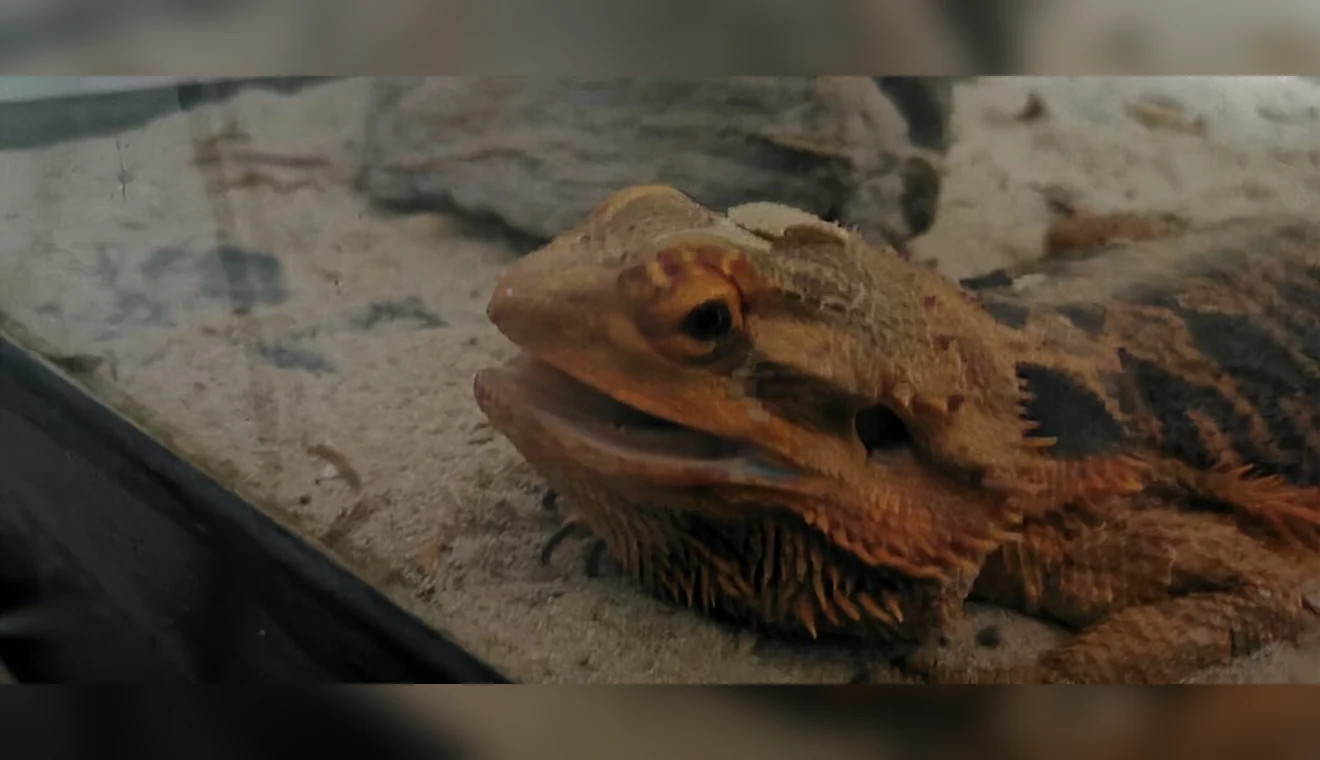
The RSPCA advises checking hydration, suitable humidity and the enclosure's overall conditions when a shed doesn't progress normally. Retained skin around toes or the tail tip deserves particular attention because it can tighten and affect circulation.
What does a normal shed look like?
Before shedding, the skin often becomes a muted or greyish colour. You may see sections begin to lift around the body, followed by small or large flakes coming away as the dragon moves against suitable surfaces. Younger dragons tend to shed more often than mature adults because they are growing.
There isn't a fixed timetable that every bearded dragon should follow. A dragon may shed the tail, legs and body at slightly different times. A little irregularity in appearance is expected; persistently tight bands of skin are not.
How long should shedding take?
The RSPCA describes skin coming away readily over a day or so when an individual area is ready, but complete shedding can be staggered. Avoid interpreting every grey patch as a medical emergency if your animal is bright and the skin is progressing normally. However, don't ignore material that stays tightly attached around a toe or tail tip.
Record the change and look for swelling, discolouration or difficulty walking. If you're unsure whether the skin is stuck or a normal section not yet ready to release, ask a reptile vet rather than picking at it.
Why pulling skin is dangerous
The old layer may still be attached to healthy new skin. Pulling can tear that tissue, causing pain, bleeding and opportunities for infection. Even if a piece dangles, tugging it isn't good practice. Let the animal use ordinary movement and appropriate enclosure texture to work loose material away.
Don't apply glue, tape or household creams to lift stuck patches. They can trap moisture or irritate the surface. Be especially gentle with eyelids, nostrils and the very small scales around toes.
Stuck shed around toes and tail
Retained skin can form a tight ring around a toe or tail tip. As the skin dries it may constrict blood flow, and the RSPCA warns that serious neglected cases can threaten toes. Check digits and the end of the tail during and after a shed without forcing handling.
If you see swelling, a darkening toe, obvious pain, restricted movement or a tight ring that does not loosen safely, contact an experienced reptile vet promptly. Do not cut tightly attached skin with scissors or tweezers: tiny underlying structures are easily damaged.
The role of hydration and humidity
A bearded dragon needs species-appropriate hydration and environmental conditions. The RSPCA advises that poor sheds often improve when hydration and humidity are corrected, rather than by manipulating the skin. That doesn't mean making the entire vivarium permanently wet, which can create its own welfare problems.
Offer clean water and appropriate foods and check actual temperature and humidity readings with suitable equipment. Our bearded dragon humidity guide covers why a moisture gradient is better than constantly damp housing.
Can you help with a shallow bath?
The RSPCA suggests that if patches remain after a shed, a short bath in shallow, tepid water for around five minutes may soften them. Never leave a reptile unattended in water, and use a level that allows it to stand safely without struggling. Stop if the dragon becomes distressed.
Bathing isn't a reason to peel at skin immediately afterwards. A reptile with serious retained skin, open wounds or weakness needs veterinary advice. Do not use soap, human moisturiser, essential oils or cleaning chemicals.
Provide safe texture in the enclosure
Suitable secure branches, rocks and other non-sharp surfaces allow a dragon to rub gently as it moves. Furniture must be stable so that a heavy animal cannot dislodge it. A digging area with appropriate substrate and slightly different local moisture may also help, without raising humidity everywhere.
Our bearded dragon enclosure-size guide explains how usable floor space and furnishings affect everyday welfare. A bare tank with nowhere to rub or hide may be less suitable for natural behaviours.
Check basking temperatures and UVB
Temperature influences activity, appetite and overall health, so confirm your enclosure's basking and cooler zones with accurate instruments. UVB lighting is also important for healthy metabolism. A dragon with poor husbandry may have several problems at once, not only shedding difficulty.
Our bearded dragon UVB guide explains placement and equipment considerations. Never expose an animal to dangerously high heat in an attempt to 'dry the skin off faster'.
Is reduced appetite normal during a shed?
Some bearded dragons become less interested in handling or food while shedding. A brief behavioural change may occur, but prolonged refusal, significant weight loss, weakness or abnormal droppings should not be dismissed as normal. Check the enclosure readings and ask a reptile vet when signs persist.
A dragon can also reduce activity during seasonal brumation, which is a different process. Our bearded dragon brumation guide explains why brumation should not be assumed when an animal seems ill.
What if shedding keeps going wrong?
Repeated stuck shed may indicate inadequate humidity, hydration, poor enclosure setup or a medical issue. A reptile vet can assess skin, toes, diet and husbandry. Bring actual temperature and humidity readings, UVB details, feeding records and photographs of affected areas.
Avoid cycling through sprays, supplements and expensive products without identifying the cause. A sound husbandry review is more useful than treating every shed as a separate crisis.
A practical after-shed check
When the skin has mostly come away, look closely at toes, tail tip and other small areas. Check movement, appetite and overall condition. Leave normal skin alone, keep suitable surfaces and a clean environment, and ask for help if retained bands are tight or the animal seems uncomfortable.
Do not pull the skin. Keep the enclosure suitable, use a safe short bath only when appropriate, and consult a specialist reptile vet for persistent or constricting retained shed.
Sources and further reading
- RSPCA: Caring for your bearded dragon — normal shedding, shallow baths, humidity and risks to toes.
- RSPCA: Bearded dragon care sheet — husbandry and retained skin.