Cat Ear Mites: Symptoms, Treatment and Preventing Spread
A cat repeatedly scratching its ears or shaking its head may have ear mites, but dark earwax alone cannot confirm the diagnosis. Yeast, bacteria, allergies and other ear problems can cause similar signs, and an irritated ear can become painful quickly.
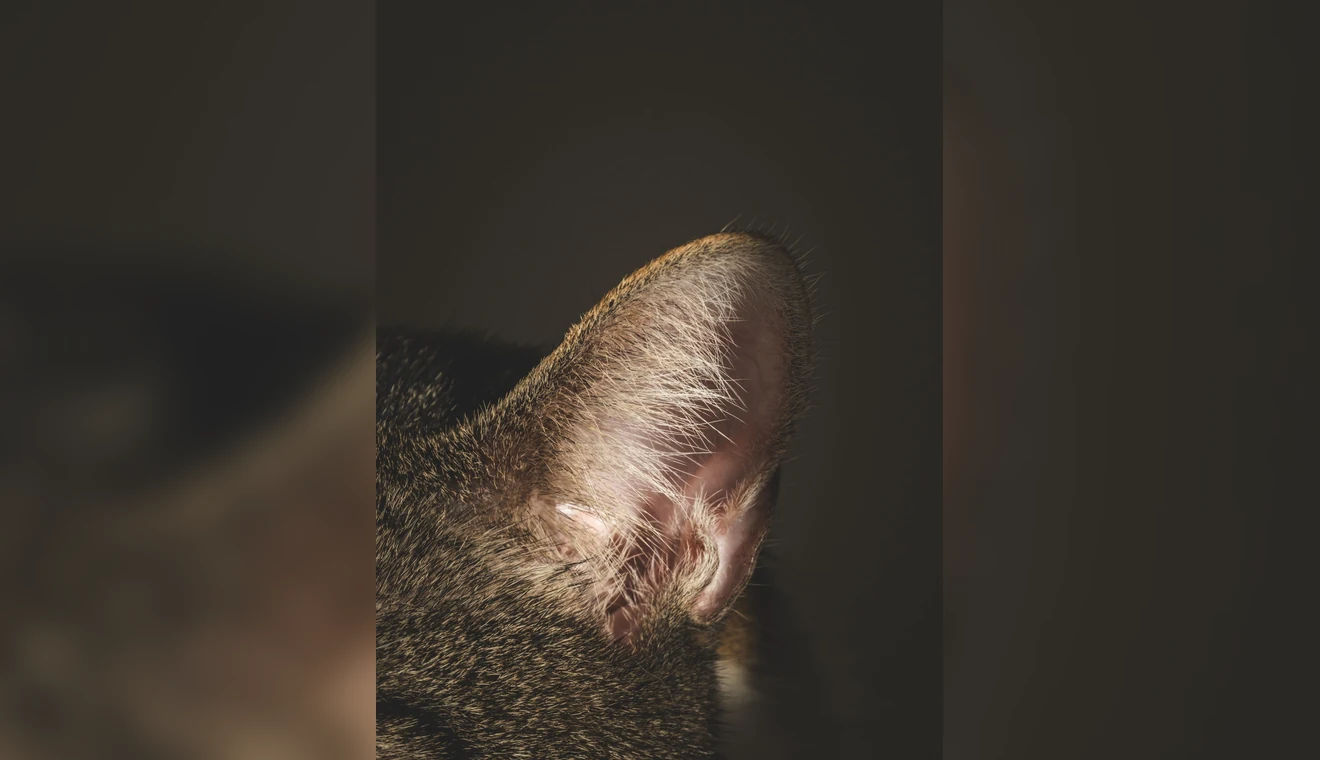
PDSA advises contacting a vet whenever ear mites or another ear condition are suspected. The good news is that proven treatments are available, and most cats recover well when the correct problem is identified and treated.
What are ear mites?
Ear mites are tiny parasites that live on the skin around and inside an animal's ear canal. The common feline species is Otodectes cynotis. They feed on material at the skin surface and can trigger intense irritation and inflammation. You generally cannot identify them reliably with the naked eye. A vet may use an otoscope or examine a swab under a microscope to distinguish mites from other ear conditions.
What symptoms should you look for?
Typical signs include frequent head shaking, scratching, rubbing the head against furniture, dark brown wax, redness and sometimes an unpleasant smell. Both ears may be affected. An infected or inflamed ear may also be painful when touched. The same pattern can occur with other conditions, so avoid diagnosing solely from the colour of debris. Take note of when the symptoms started and whether other pets are scratching.
Why are kittens especially affected?
Ear mites are particularly common in kittens because they can spread through close contact with other cats, including littermates and their mother. Adult cats can also catch them, even if they have always lived indoors. A new kitten arriving in a multi-cat household may introduce parasites without anyone noticing immediately. This is one reason a veterinary check after adoption is useful, especially if the kitten shakes its head or has dirty ears.
How do cats catch ear mites?
Direct contact with an infected animal is a common route. PDSA notes that mites can also survive for a time in the environment, allowing indirect exposure. Cats, dogs and ferrets can potentially be affected, so a household treatment plan may need to cover more than one species. Do not assume one animal has been cured if its companions remain untreated. Ask your vet which animals need examination or medication.
How does a vet diagnose the problem?
Your vet will inspect the outer ear and canal, often using an otoscope if the cat tolerates it. They may take a small sample of wax to look for mites, yeast or bacteria. If the ear is very painful or obstructed, a different approach may be needed. The findings guide treatment and help distinguish parasites from ear infections or allergies. This is safer than treating a brown discharge with random drops bought online.
What medicine treats cat ear mites?
A vet may prescribe an appropriate licensed antiparasitic treatment, often a spot-on or another formulation. Follow the exact directions for species, weight, dose and repeat treatment intervals. Some products also cover other parasites, but not every flea medication kills ear mites. Never apply a dog's product to a cat without veterinary direction; certain dog treatments contain permethrin, which can be dangerously toxic to cats.
Do you have to clean the ear as well?
Sometimes. A vet may recommend a suitable ear cleaner to remove debris and improve comfort while antiparasitic treatment works. Do not pour products into an injured or inflamed canal without advice, and never insert cotton buds. Cleaning alone will not reliably kill all mites. If the cat resists handling, ask the vet or nurse for a demonstration rather than holding it down and risking a bite.
What about infection caused by scratching?
Repeated scratching can damage the skin and create a secondary infection. Vets may prescribe additional medication when inflammation, yeast or bacteria are present. Do not use leftover antibiotic drops from a previous illness without an examination. A cat that reacts painfully, holds its head tilted or has swelling around the ear needs prompt assessment because complications can extend beyond superficial irritation.
Can an ear flap swell up?
Yes. Vigorous head shaking or scratching can sometimes lead to an aural haematoma, a swelling caused by bleeding between tissues in the ear flap. PDSA lists this as a potential complication. A swollen, balloon-like ear requires veterinary attention; do not puncture or drain it at home. Treating the mites alone may not resolve a haematoma, and delay can make it harder to manage comfortably.
How should you treat other pets in the house?
Your vet may recommend treating in-contact cats, dogs or ferrets even when not all show obvious symptoms. Use products specifically prescribed or recommended for each species and individual animal. Never share a tube between pets unless directed. Record treatment dates and follow-up requirements so one animal does not remain a reservoir. Our Introducing a Kitten to a Cat covers separate resources and calm introductions, but parasite management is a separate health task.
What should you do with bedding and the home?
PDSA advises laundering pet bedding and cleaning relevant items because ear mites may survive in the environment. If an environmental product is needed, follow veterinary advice and keep cats away until conditions are safe. Household insecticides can contain ingredients toxic to cats, birds and fish. Never spray an environmental flea treatment directly onto your cat. Ventilation and careful label reading matter in homes with multiple animal species.
Are home remedies effective?
Oils, vinegar, garlic and herbal preparations are not reliable substitutes for licensed antiparasitic medicine. Some may irritate the canal, delay diagnosis or interfere with prescribed treatment. Do not attempt to smother mites by filling the ear with oil. A cat with dark wax can have a different infection needing another treatment. PDSA recommends vet-prescribed licensed products, which are generally more reliable than unverified over-the-counter remedies.
Can humans catch cat ear mites?
Human infection is unusual, though brief irritation is possible. If a person develops symptoms after close contact with infected pets, they should seek human medical advice rather than applying veterinary medication. Most household control effort focuses on treating affected animals and cleaning appropriate bedding. Basic handwashing after handling ears or applying treatments is sensible, especially around small children.
Can ear mites cause deafness?
Untreated ear disease and secondary infection can damage hearing or structures deeper in the ear, although mites themselves do not automatically cause deafness. Watch for loss of balance, a head tilt, obvious hearing changes or severe pain. These signs need prompt veterinary examination. Do not wait until all visible wax disappears before asking for help. The absence of scratching does not always mean a previously inflamed ear has healed properly.
How long does treatment take?
The schedule depends on the prescribed product and whether other conditions are present. Some treatments require repeat doses or follow-up examination to confirm the mites are gone. Complete the full plan even if scratching reduces after the first application. Keep an eye out for recurring discharge and contact your vet if symptoms return. Do not simply repeat medications months later without checking whether mites are actually responsible.
Is prevention possible?
Regular veterinary-approved parasite prevention appropriate to the animal may help reduce ear mite risk, although coverage varies by product. Check incoming pets for ear symptoms and avoid sharing grooming equipment between animals with suspected infections. Keep a record of treatments and monitor for scratching or head shaking. Avoid overcleaning healthy ears; the goal is maintaining health, not scrubbing away every bit of normal wax.
When should you call the vet urgently?
A cat with severe pain, marked ear swelling, loss of balance, repeated falling, head tilt, bleeding or reduced appetite needs prompt care. A kitten that becomes weak or stops eating should not wait for a routine parasite appointment. Arrange veterinary advice for any ongoing discharge or scratching. Our Cat Overgrooming Guide explores other causes of excessive licking and scratching, but ear-specific symptoms require examination.
The practical next steps
Book a vet check rather than guessing from dark wax. Follow the prescribed treatment carefully, address other household pets as advised and clean bedding appropriately. Watch for swelling, ongoing pain or recurrence. Never use cotton buds or dog flea medicines in a cat's ear. With a proper diagnosis and treatment schedule, most uncomplicated infestations can be resolved without prolonged discomfort.
Research and further reading
- PDSA: ear mites in cats and kittens — signs, contagiousness and treatment.
- PDSA: ear infections in cats — other causes and complications.
- Blue Cross: ear mites in cats — recognising symptoms and veterinary care.