Cat Litter Tray Setup: How Many, Where to Put Them and Cleaning
Cats can be particular about where they go to the toilet. A tray beside a noisy washing machine, hidden near food bowls or blocked by another cat may be ignored, even if the litter is perfectly clean. The answer isn't always changing brands or buying a more expensive covered box.
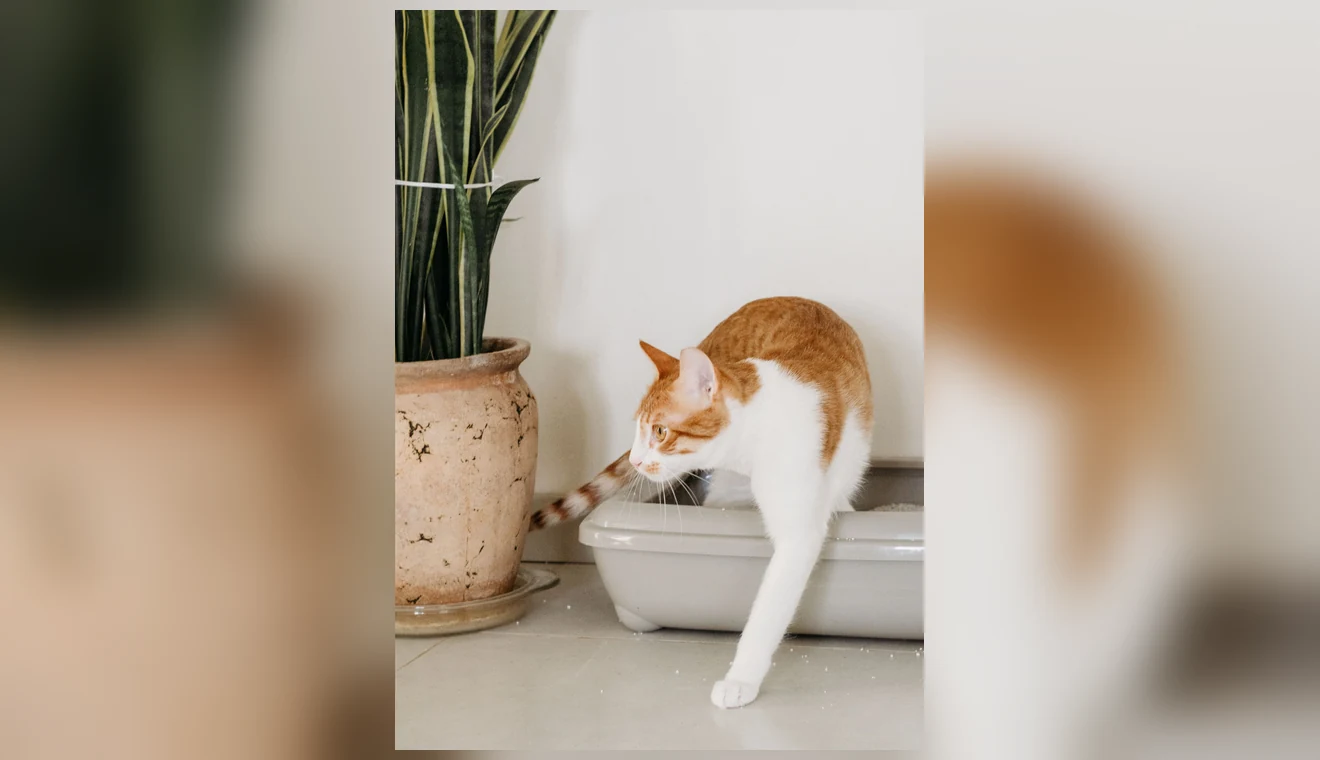
Cats Protection recommends one litter tray for each cat, plus one extra, in separate quiet accessible locations. Use a spacious tray, suitable unscented litter and a cleaning routine that keeps it comfortable to use.
How many litter trays do you need?
The common Cats Protection guideline is one per cat plus one additional tray.
| Cats in the home | Suggested starting number of litter trays |
|---|---|
| One cat | Two trays |
| Two cats | Three trays |
| Three cats | Four trays |
| Four cats | Five trays |
This gives animals options if one tray becomes dirty, blocked or frightening.
Some cats prefer to urinate in one tray and pass faeces in another.
Don't put all the boxes in a row and count them as independent choices; cats may see that as a single shared toileting area.
Why location is so important
Cats feel vulnerable while toileting.
Cats Protection advises placing trays in quiet, accessible places away from food, water, sleeping areas, doorways and noisy appliances.
A corridor beside a cat flap may feel exposed to passing animals.
Try a low-traffic corner where the cat can approach without being cornered.
In multi-storey homes, provide options on different floors, especially for older cats.
How big should the tray be?
Choose a tray that allows the cat to turn, dig and posture comfortably.
A small kitten tray may become unsuitable as the animal grows.
Larger breeds or cats with mobility problems may need a much more spacious box.
Cats Protection advises low sides for older cats or those with arthritis so entering and leaving doesn't require a painful jump.
Don't buy based only on whether the box fits beside the toilet.
Covered or uncovered litter trays?
Some cats feel safer with privacy, while others dislike entering a narrow covered box.
Cats Protection notes that covered trays can trap odours and advises removing the door flap if it discourages use.
An open tray in a quiet location often allows better visibility and easier cleaning.
If your cat is reluctant, offer an alternative type rather than forcing it to use the original.
Avoid scented enclosed boxes that smell pleasant to people but overwhelming to a cat.
What type of cat litter is best?
Cats Protection says many cats prefer fine, unscented, sand-like litter that feels comfortable beneath their paws.
Some may prefer the litter type they knew as kittens.
Clumping and non-clumping products need different cleaning methods. Check the manufacturer's safety information, especially for very young cats.
Avoid strongly perfumed granules and sudden changes between very different textures.
If the cat is happily using one suitable product, don't change it just because a new brand is advertised.
How deep should the litter be?
Cats Protection recommends about 3 cm as a general starting depth.
That provides enough material for digging and burying without becoming excessively deep.
A particularly enthusiastic digger may need a higher-sided tray, while a cat with mobility problems may need low entry.
Measure the real depth rather than simply pouring in an entire bag.
Top up after cleaning as needed, ensuring the tray remains comfortable for the individual.
How often should you scoop?
Cats Protection recommends removing urine clumps and faeces at least twice daily, with more frequent attention for cats that won't use a soiled tray.
Some litter products need different routines, so consider the type and how many animals use the facilities.
Use a suitable dedicated scoop and dispose of waste hygienically.
Don't leave a dirty tray for several days and expect the cat to keep using it.
A sudden refusal despite proper cleaning may indicate a health or behavioural problem.
When should the whole tray be cleaned?
Cats Protection recommends a complete empty-and-wash at least weekly for a standard tray, with some covered or heavily used setups requiring more frequent washing.
Use hot soapy water or a suitable cat-safe product, rinse thoroughly and dry before adding fresh litter.
Avoid strongly scented household disinfectants. Certain chemicals are hazardous to cats.
Don't use a strong-smelling cleaner to mask a tray that hasn't been emptied.
Replace trays with scratches or damage that make proper cleaning difficult.
Why tray liners may cause problems
Plastic liners can catch on claws when the cat digs.
Cats Protection advises against liners and newspaper sheets that many cats find uncomfortable.
If you want easier cleaning, choose a well-designed tray that's simple to empty and wash.
Make sure there are no exposed sharp edges.
The cat's comfort is more important than reducing your washing time by a minute.
Cats in multi-cat homes
One cat may block a doorway or sit beside a tray, making another too nervous to approach.
Spread trays across independent quiet areas, not merely different corners of a small utility room.
Provide separate food, water and resting resources too.
Our Introducing a Kitten to an Older Cat Guide explains how extra separated resources help reduce tension.
A cat using the carpet instead of the tray may be responding to social pressure as well as litter preferences.
When a cat stops using the tray
A sudden change may indicate cystitis, urinary blockage, arthritis, constipation or stress.
A cat straining to urinate without producing urine needs emergency veterinary attention. This is especially urgent for male cats.
Do not punish the animal or rub its nose in an accident.
Arrange veterinary assessment and review tray placement, cleanliness, social access and any recent household changes.
Our Cat Drinking Water Guide covers hydration behaviours that may also change with illness.
Cleaning accidents outside the tray
Remove waste promptly using a cat-safe cleaning product appropriate to the surface.
Avoid ammonia-based cleaners that may leave an odour similar to urine.
Check whether the chosen area is close to an inaccessible or frightening tray.
The goal is to address both the smell and the reason the cat avoided its normal place.
If accidents continue, ask the vet and a qualified cat behaviour professional for help.
Getting kittens accustomed to a tray
Provide a shallow easily accessible box in the kitten's normal environment.
A young kitten may not be able to cross a large home to reach a distant tray.
Choose suitable litter based on its age and safety needs, using the vet's advice when uncertain.
Show the kitten where the tray is, but don't force its paws into the litter.
Keep the area calm and offer frequent opportunities after rest or eating.
Litter trays for senior cats
Arthritis can make high-sided boxes or staircases painful.
Provide low-entry options on each level and keep routes unobstructed.
If an older cat suddenly stops using the tray, ask the vet to check for pain or illness rather than assuming forgetfulness.
A large tray with a low entrance often works better than a tiny box marketed for seniors.
Changes should preserve the animal's ability to dig and turn comfortably.
Common litter tray mistakes
Keeping one tray for three cats
Add separate locations to reduce competition.
Placing the tray beside food
Cats tend to prefer toileting resources away from eating and drinking.
Using scented litter to hide smell
Many cats dislike strong fragrance.
Leaving a covered tray dirty
Odours can become trapped inside.
Punishing accidents
Investigate illness, accessibility and environmental stress instead.
Frequently asked questions
Does one cat really need two trays?
Cats Protection recommends one per cat plus one extra as a starting point.
How often should I change all the litter?
Cats Protection suggests a full wash at least weekly for typical manual trays, with adjustment for use and product type.
How deep should litter be?
About 3 cm is a practical starting depth according to Cats Protection.
What if my cat suddenly wees beside the box?
Contact a vet to rule out a medical cause; straining without urine is an emergency.
Design the toilet area for the cat
A good setup is spacious, accessible, quiet, unscented and cleaned regularly.
Rather than shopping for another clever automatic feature, first check whether the cat has genuine choice and can use the facilities without fear or discomfort.
Sources and further reading
- Cats Protection: Cats and Toileting — tray number, placement, litter depth, cleaning and troubleshooting.
- Cats Protection: Essential Guide to Caring for Your Cat — toileting behaviour and cleaning guidance.