Cat Losing Weight: What to Check and When to See a Vet
A cat can lose weight so gradually that the change is hidden by its coat until you pick it up and notice prominent bones. Unexplained weight loss needs a veterinary appointment, even when your cat still eats normally or seems lively. There are many possible reasons, from painful teeth to conditions affecting the kidneys or thyroid.
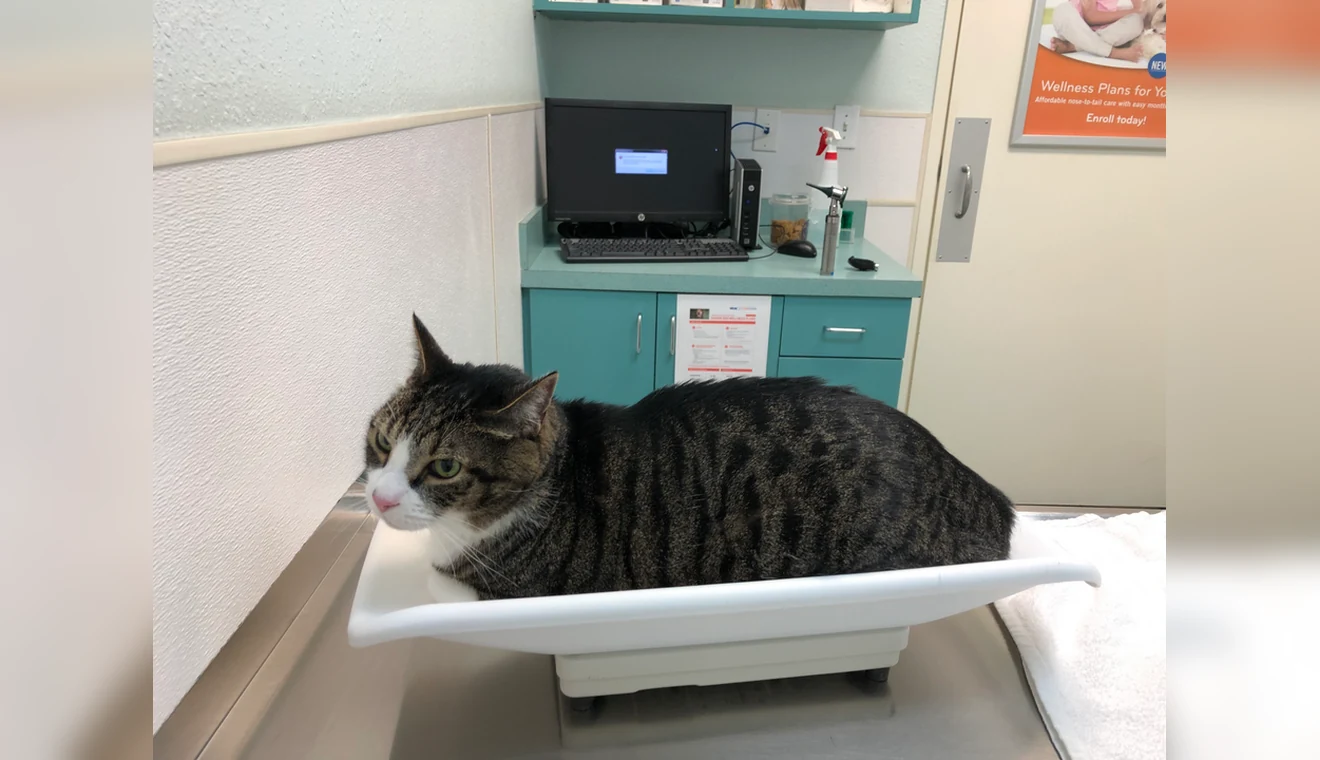
PDSA advises contacting the vet whenever you think a cat has lost weight. Start by noting appetite, drinking, toileting and changes in activity, but don't delay the appointment while trying several new foods.
Why weight loss matters
Body weight reflects more than how much goes into the food bowl. A cat can eat less because its mouth hurts, absorb nutrients poorly because of bowel disease, or use energy differently because of another illness. A small change may matter more in a lightweight animal than in a large one.
Some cats become thinner around the spine and hindquarters while their belly still looks rounded. This is why feeling body and muscle condition, not just looking at fluffy fur, is important. A vet can interpret those changes in context.
Common medical causes
PDSA lists dental disease, hyperthyroidism, diabetes, kidney disease, intestinal inflammation, parasites and several other illnesses as possible explanations. Stress and insufficient food can also play a part. These problems need different treatments, so the aim is to identify the cause rather than pick a random high-calorie supplement.
An older cat that is hungrier than usual while losing weight might have an overactive thyroid or diabetes, for example, but those symptoms alone cannot diagnose either condition. A veterinary examination and tests are required.
Can a cat lose weight while eating plenty?
Yes. A cat that eats eagerly but becomes thinner still needs assessment. Keep a note of food quantity and whether the cat is actually swallowing its meals or leaving more than usual. In homes with several cats, one may quietly steal another's ration.
Don't assume a large appetite makes illness unlikely. Mention increased hunger, vomiting, diarrhoea, thirst or unusually vocal behaviour. Our cat drinking-water guide explains why a change in drinking deserves attention as well.
What if appetite has dropped?
Dental pain, nausea, illness and stress can all reduce food intake. Cats sometimes approach a bowl but back away after sniffing, chew on one side or drop food. Bad breath and drooling are useful clues to mouth problems.
Our cat bad-breath guide explains signs of dental disease. If your cat is not eating, seek prompt veterinary advice rather than waiting for more weight to disappear. Prolonged poor intake can be dangerous.
Weighing your cat reliably
Use the same scale where possible and record the date and weight. A vet may suggest weighing the carrier with and without the cat, then subtracting the carrier weight, if the setup is safe. If a frightened animal struggles, ask your practice to weigh it rather than forcing an unreliable measurement.
Look for a trend over several readings. A few grams of variation from a different scale or a recent meal may be unimportant, but a consistent downward movement warrants investigation. Bring the results to the appointment.
Body condition and muscle loss
A veterinary body-condition chart helps judge fat coverage around ribs and waist, while muscle assessment looks at areas such as the back and hindquarters. These are related but not identical measures. A cat may carry excess body fat yet lose muscle because of age or illness.
PDSA offers a feline body-condition chart and home-weighing advice. Ask a veterinary nurse to demonstrate a gentle shape check without squeezing or repeatedly disturbing the cat.
Signs requiring faster attention
Seek urgent veterinary advice if your cat is weak, collapses, repeatedly vomits, struggles to breathe, appears severely dehydrated or stops eating. Rapid marked weight loss is more concerning than a stable animal with a small suspected change, but both should be assessed.
Changes in thirst, urine output, stool, grooming or energy can help the vet prioritise investigations. Don't feed human nutritional drinks or give medicine from another animal in an attempt to restore weight quickly.
What tests could the vet recommend?
The examination may include mouth and teeth, abdomen, body condition and hydration. Depending on age and history, the vet might recommend blood and urine testing, thyroid measurements, faecal analysis or imaging. Ask what each test is intended to establish.
Not every cat needs every investigation. A vet may begin with the most likely causes and adapt the plan. The important thing is following through when the problem persists rather than treating each change in weight as a separate food preference.
Should you switch to a high-calorie diet?
Not automatically. A special food can sometimes support a cat with a diagnosed problem, but adding lots of fat or changing brands suddenly may upset digestion or obscure an elimination trial. Some medical conditions require carefully controlled nutrients rather than simply more calories.
Ask the vet what type and quantity of complete food is suitable. Our cat diarrhoea guide covers digestive warning signs that can accompany poor weight gain or weight loss.
Multiple cats and food competition
Where several cats share bowls, it can be difficult to see who eats what. Offer separate quiet feeding locations and observe individual intake without causing tension. A timid cat may eat less because another blocks the route to food, even when there is apparently plenty available.
Food competition is a possible contributor, not a reason to ignore disease. If weight loss continues after feeding is managed, the cat still needs veterinary care.
Helping an older cat eat comfortably
Place bowls where the cat can reach them without jumping, and consider whether sore joints or dental problems affect meal behaviour. A calm, warm feeding place may help. Don't assume appetite changes are simply 'old age'.
PDSA lists kidney disease, thyroid disease and other age-related medical problems among possible explanations for weight changes. Tracking body condition and attending routine checks can identify trends earlier.
A practical appointment checklist
Record the cat's weights if available, actual food intake, treat amounts, thirst, litter-tray changes, vomiting, diarrhoea and activity. Bring the food packaging and medication details. Ask whether another weight check or follow-up investigation will be needed.
Don't try to fix unexplained weight loss with extra food alone. Make the veterinary appointment, keep the cat on an appropriate diet unless instructed otherwise, and use simple measurements to track progress.
Sources and further reading
- PDSA: Weight loss in cats — causes, body condition, weighing and when to contact the vet.
- Cats Protection: Cat health — health warning signs and general cat care.