Cat Teeth Cleaning: How to Start Without Stress
Cleaning a cat's teeth can sound ambitious, particularly if yours dislikes having its face touched. But gradual toothbrushing can help control plaque and protect the gums. The right method is to build trust in very small steps, using cat-safe toothpaste and a suitable soft brush, never forcing the mouth open.
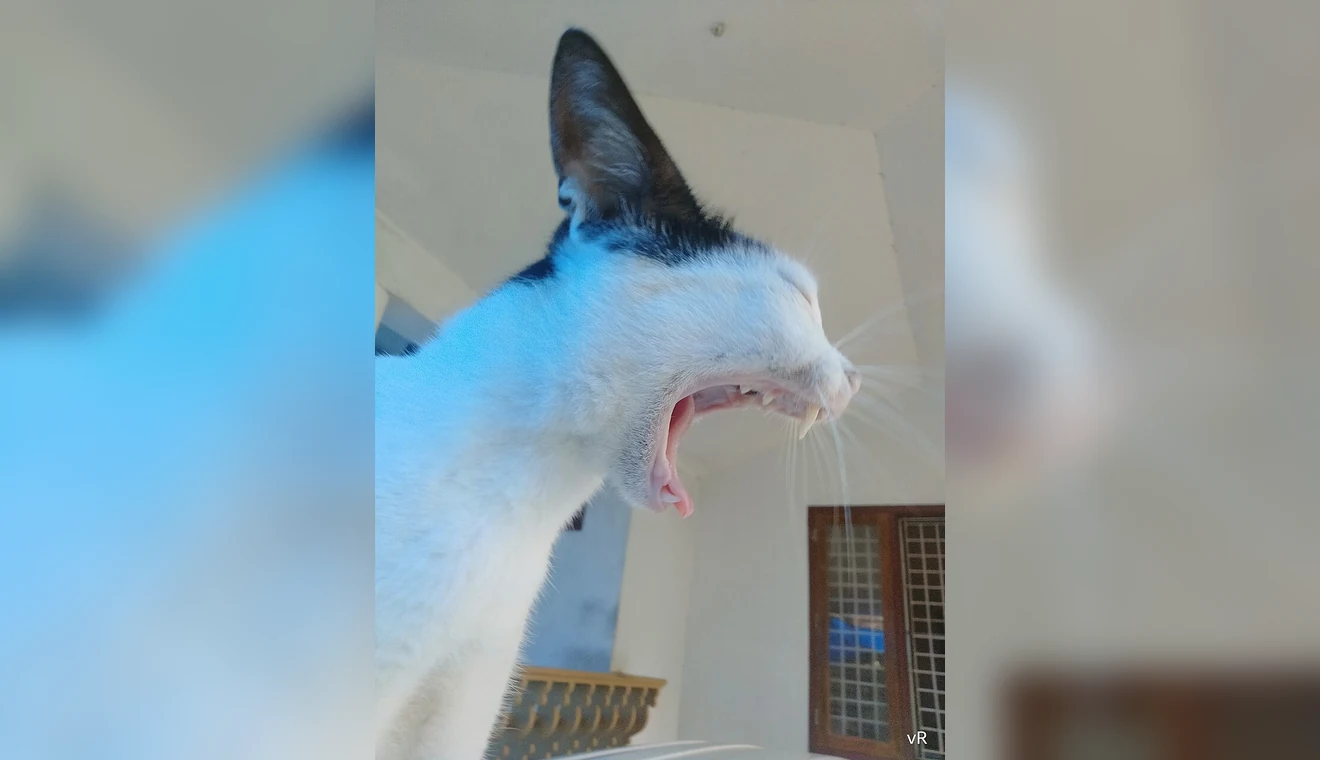
Cats Protection recommends asking a vet to show you the correct technique and establishing a predictable routine. If your cat already has painful gums, loose teeth or substantial tartar, it needs a veterinary assessment before you begin brushing.
Why do cats need dental care?
Plaque is a film of bacteria that builds up on teeth. When it isn't removed, it can contribute to inflammation of the gums and more advanced dental disease. Cats can hide oral pain, so a cat that still eats is not necessarily comfortable. Bad breath, red gums, drooling or a change in chewing may be clues. Daily brushing helps disrupt plaque, but it cannot treat damaged teeth or remove established disease beneath the gumline.
Does every cat accept a toothbrush?
No. Some cats learn to enjoy the associated rewards, some tolerate brief brushing and others are too fearful or painful for it to be safe at home. A cat's age, handling history and mouth health affect progress. Don't compare a nervous rescue cat with a kitten accustomed to gentle handling from an early age. If attempts trigger panic or biting, ask your vet about alternative dental care rather than increasing force.
If your cat has persistent foul breath or suddenly resists tooth care, read cat bad breath causes and ask a vet to assess its mouth.
What should you use to clean cat teeth?
Choose toothpaste specifically formulated for cats and a soft toothbrush made for feline mouths. Never use human toothpaste: it may contain ingredients unsuitable for pets, and cats swallow rather than spit out paste. A finger brush works for some confident cats but puts your hand close to teeth. Ask a veterinary nurse which brush suits your individual animal. Keep a small supply of familiar rewards ready for training.
Step 1: get comfortable with touching the face
Choose a quiet place where your cat already enjoys calm contact. Briefly touch the cheek, offer a reward and stop. Later, lift the lip slightly for a moment and let it settle. Do not pin the cat down, wrap it tightly or force a finger between its jaws. You may need several days before the cat accepts even a brief lip lift. That preparation is useful, not wasted time.
Step 2: introduce cat toothpaste
Offer a tiny smear of feline toothpaste on a safe surface or fingertip for the cat to sniff or lick if it wishes. Some cat pastes are flavoured to make them more appealing. Reward curiosity, then put the product away. Never squeeze paste into a closed mouth. If your cat refuses the flavour, ask the vet about alternatives rather than turning the introduction into a battle.
Step 3: let the cat investigate the brush
Place the brush nearby and reward a relaxed sniff. Later, touch the brush gently against the outside of the closed lips for a second, followed by a reward. Keep early sessions very short. Watch ears, tail, body tension and attempts to move away. If the cat turns its head or leaves, allow it. The goal is voluntary participation, not holding the brush in place until the cat gives up.
Step 4: brush one easy tooth
Once the cat accepts the brush, lift the lip gently and touch an accessible outer tooth surface. Cats Protection suggests a roughly 45-degree angle to reach the tooth and gum margin. Make a small gentle movement, then reward and stop. At first, one tooth may be a successful session. Work gradually towards more teeth over days or weeks, always protecting the cat's confidence.
How often should you brush?
Daily brushing is generally the goal because plaque builds up continually. However, you should work towards that frequency rather than forcing a resistant cat through painful sessions. The consistency of a calm routine matters more than a dramatic first attempt. Try offering the brush at the same time each day, perhaps after quiet play. If toothbrushing isn't possible, ask the vet what other evidence-based dental measures suit your cat.
Do you need to brush inside the mouth?
Most home training begins with outer tooth surfaces that are easier to access without opening the jaws. A vet can demonstrate where to concentrate and how much pressure to use. Do not force the mouth open to reach every surface. If the cat becomes distressed, stop. An animal that allows a few gentle strokes around the gumline may be making better progress than one restrained for an apparently thorough clean.
What if your cat has bad breath?
Persistent unpleasant breath can indicate dental disease, though other medical problems may contribute. It should not be dismissed as normal for cats. Arrange a vet examination if breath changes, especially alongside drooling, reduced appetite, pawing at the mouth or reluctance to chew. Mint-flavoured treats and perfumed products do not solve the underlying cause. The veterinarian may recommend imaging or professional dental treatment depending on findings.
Signs of a painful mouth
Watch for red gums, bleeding, broken teeth, excessive drool, one-sided chewing or dropping food. Some cats stop grooming, hide or become irritable when their mouth hurts. These signs need a veterinary check; don't attempt brushing over inflamed tissue. Dental resorption and other feline conditions can be extremely painful even when little is obvious from the outside. Do not scrape tartar yourself with tools from the internet.
Do dental treats and diets replace brushing?
Specially formulated dental diets and products may help with oral hygiene, but not all treats have the same evidence behind them. Ask your vet which products are appropriate for your cat's age, health and nutritional needs. Cats Protection notes that diet alone does not control plaque the way brushing does. Supervise chewing, avoid very hard objects and make sure dental treats don't contribute unnecessary calories.
Can a kitten learn early?
Yes. Gentle cheek touching and brief lip lifts can begin while a kitten is relaxed and developing trust. Cats Protection explains that you don't need to brush baby teeth immediately; the important early goal is making face handling familiar. Use treats sparingly and do not interrupt a sleepy kitten for a training session. Our Kitten Biting Hands Guide explains why fingers should not become play targets while you teach gentle handling.
What about older cats?
Older cats may have existing dental disease, arthritis or less tolerance of prolonged restraint. Ask a vet to examine the mouth before introducing brushing, particularly if there has been a change in appetite or grooming. Some cats can learn a brief, gentle routine even late in life. Others need professional dental work before home care is comfortable. Judge success by comfort and cooperation, not the number of teeth reached.
What if the cat tries to bite?
End the session and give it space. Biting may reflect fear, overstimulation or pain. Never punish the cat or hold it tighter. Return to easier cheek-touch exercises on another day if a vet has confirmed the mouth is healthy. If bites break human skin, clean the wound and seek medical advice as appropriate because cat punctures can become infected. Professional support is safer than risking repeated bites.
When is professional dental treatment necessary?
A vet may recommend dental cleaning, examination under anaesthesia, dental X-rays or extraction of painful teeth. This depends on the disease present, not a universal yearly schedule. Home brushing cannot reach diseased areas under the gumline or repair teeth. After treatment, follow the clinician's instructions about healing before restarting brushing. Our Cat Not Eating Guide explains when appetite changes are urgent and why dental pain is one possible cause.
A practical routine to build
Keep feline toothpaste and brush together, choose a calm familiar time, and reward one small step each day. Begin with face handling, then paste, then brief brush contact, and eventually gentle outer tooth strokes. Watch for discomfort and stop before your cat feels trapped. Arrange routine veterinary dental checks and ask for technique advice. Good dental care is a gradual habit, not a competition to finish the mouth in one go.
Research and further reading
- Cats Protection: cat dental care — why brushing helps, equipment and gradual steps.
- PDSA: dental disease in cats — warning signs and veterinary treatment.