Kitten Biting Hands: How to Encourage Gentle Play
A kitten grabbing your fingers can seem funny until those tiny teeth start drawing blood. Pouncing, chasing and biting are natural parts of feline play, but your hands should not become the prey the kitten learns to hunt. The kindest approach is to offer appropriate toys, teach consistent rules and let the kitten choose when contact ends.
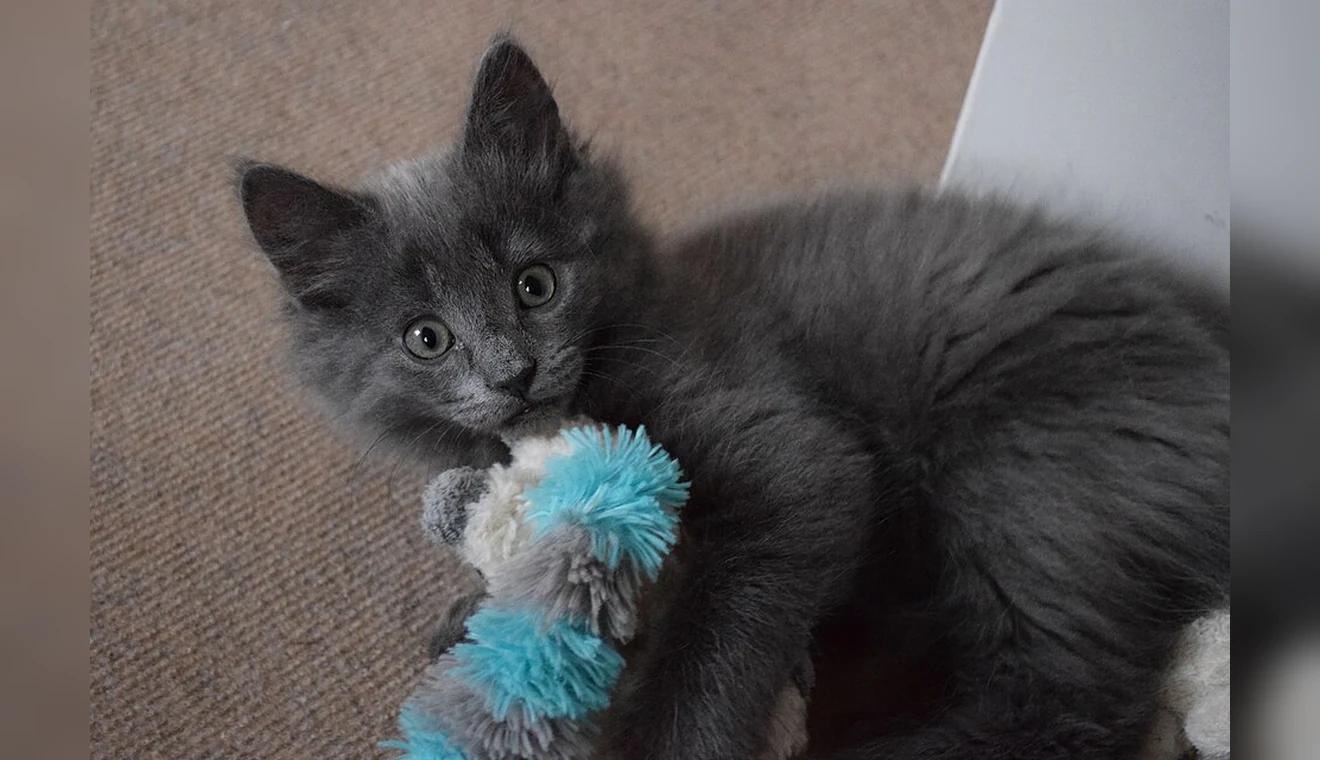
This is not about stopping play. It's about making hunting-style games satisfying while keeping people's skin and the kitten's confidence safe.
Why do kittens bite during play?
Play develops coordination, timing and behaviours used in stalking and catching prey. Your hand may twitch like a small animal or disappear under a blanket, making it irresistible to chase. Kittens also explore with their mouths. Cats Protection recommends toys that keep teeth and claws away from human skin, such as fishing-rod toys and balls. Rough play using fingers teaches a pattern that often becomes painful as the kitten grows.
Can a playful bite still hurt?
Yes. Even an excited kitten can break skin or puncture a hand with sharp teeth. Playfulness does not make the injury unimportant. Clean wounds promptly and seek medical advice for punctures, swelling, increasing pain or signs of infection. Children's hands and faces need particular protection. Safe play can be fun without accepting teeth on skin as a normal price of owning a kitten.
What should you do when teeth touch your hand?
Stop moving the hand rather than jerking it away and triggering a chase. Pause interaction, give the kitten a moment to release, then offer a suitable toy with some distance between its mouth and your fingers. If it keeps grabbing, calmly end the game and step away. Avoid squealing, slapping or shaking the kitten. The intention is to make toys rewarding and skin boring, not to startle the animal into stopping.
Keep proper play toys ready
A fishing-rod toy, sturdy small ball or soft kicker toy gives the kitten something suitable to stalk and bite. Use a wand toy so your fingers stay away from the catching end. Check every toy for loose threads, sharp components and small parts that could be swallowed. Replace damaged items. Don't leave long-string toys available unsupervised because entanglement or ingestion may cause serious problems.
Are kitten bites caused by teething?
Sometimes sore gums may increase chewing, but frequent pouncing at fingers is often hunting-style play or overstimulation rather than dental pain. Choose safe kitten-appropriate toys and avoid offering electrical cables, houseplants or unsafe household objects to chew. If your kitten has a broken tooth, difficulty eating, excessive drooling or marked discomfort, consult your vet rather than assuming normal tooth changes.
Use frequent short play sessions
Cats Protection advises regular short games rather than forcing one long session when the kitten has lost interest. Move the toy away like prey, allow brief pauses and let the kitten catch it periodically. A game where it never succeeds can create frustration. Finish before the kitten becomes frantic, and offer a calm transition to rest. Our Indoor Cat Enrichment Ideas includes low-cost ways to satisfy curiosity between games.
Do not wriggle fingers under a duvet
Many kittens are fascinated by movement beneath blankets. Turning hands and feet into mysterious targets teaches them that attacking you in bed is entertaining. Use a separate toy and keep bedtime routines predictable. If your kitten pounces on toes, stop moving, provide an appropriate distraction and avoid rewarding the chase with squeals. A few days of consistent responses from everyone is clearer than different games each night.
Teach children how to play safely
Children may find fast kitten movements exciting and try to grab or chase the animal. Supervise all close interactions, keep play toys between the child and the kitten, and provide escape routes. Never allow a child to hold a struggling kitten or pull it from a hiding place. If a child has been bitten, deal with the injury and calmly separate them. Everyone's safety is more important than completing the game.
What does overstimulation look like?
A kitten that begins to thrash its tail, flatten its ears, stiffen, grab harder or repeatedly bite during stroking may be asking for contact to stop. It is not necessarily being naughty. End the interaction and let it settle. Some cats tolerate very brief touch sessions while others enjoy longer cuddles. Look for relaxed body language and allow the kitten to move away before it has to use teeth.
Why punishment doesn't teach the right lesson
Spraying water, flicking a nose or holding a kitten down can create anxiety and defensive aggression. Cats Protection advises redirecting unwanted play and rewarding appropriate behaviour rather than punishing. An animal that fears your hands may learn to bite sooner to make them disappear. Instead, give it a clear alternative: safe toys for chasing, scratching posts for claws and peaceful resting spots.
Does a lone kitten bite more?
Some kittens with limited opportunities to play socially may direct more hunting games towards their people, but every individual is different. You can support natural behaviour through enrichment, predictable play and safe interactions. Adding another kitten is a major welfare and financial decision, not an instant cure for biting. If considering a second animal, assess space, separate resources, introductions and long-term commitments first.
What if the kitten jumps from behind furniture?
Ambushing feet from a doorway may mean the kitten has found a successful game. Set up regular play at predictable times and give it suitable hiding and stalking opportunities with toys. Avoid chasing it from its hiding place or creating a rough wrestling match. If the behaviour happens when people walk to the kitchen, a short toy game elsewhere before you move may interrupt the pattern.
What if bites happen during stroking?
That can be different from playful chasing. The kitten may dislike an area being touched, become overstimulated or be uncomfortable. Watch tail movement, ears, skin twitching and attempts to move away. Stop before the kitten grabs. Let it approach for contact and keep strokes short. A sudden change in tolerance should prompt veterinary advice because pain or illness may make touch unpleasant.
Can you train a kitten to use a cue?
Simple reward-based training can help it come when called, touch a target or settle for food rewards. However, the most useful rule is still environmental: keep hands out of hunting games and make appropriate toys enjoyable. Don't expect a kitten to obey a spoken 'no' during an intense pounce. Use a little of the kitten’s ordinary food allowance if you reward with treats, without relying on food to replace active play.
When should you contact a vet?
Ask for help if biting seems defensive, appears suddenly, is accompanied by pain, or becomes severe despite consistent play management. A kitten that repeatedly breaks skin, stalks people aggressively without play signals, or cannot settle may need assessment. Your vet can rule out medical issues and recommend a qualified feline behaviourist. A good professional won't suggest intimidation or physical punishment.
How long until the biting improves?
Improvement depends on age, consistency and the environment. Look for more frequent catches of toys, fewer attacks on hands and an easier ability to end play. Some kittens need many short sessions to replace an established habit. Don't measure progress by perfect obedience; measure whether safe play is becoming the easy, rewarding option. Keep everyone in the household using the same rules.
A simple daily routine
Provide several short supervised games with wand and kicker toys, remove damaged strings, offer natural resting places and watch for overstimulation. Stop moving when teeth grab skin and calmly redirect to something suitable. Keep hands for gentle care, not wrestling. Treat any bite wound seriously, and seek veterinary advice if behaviour changes abruptly or seems driven by pain.
Research and further reading
- Cats Protection: bringing a kitten home — safe games, no fingers as toys and consistent handling.
- Cats Protection: cats and play — recognising redirected hunting play and enrichment.
- Cats Protection: vet Q&A about kitten biting — socialisation, redirecting play to toys and avoiding hands as targets.