Chinchilla Diet: Hay, Pellets, Water and Safe Treats
Chinchillas have delicate digestive systems adapted to a diet that is very different from the fruit bowls and colourful small-pet treats sold in some shops. Their teeth grow throughout life, and their gut depends on a steady supply of fibrous food.
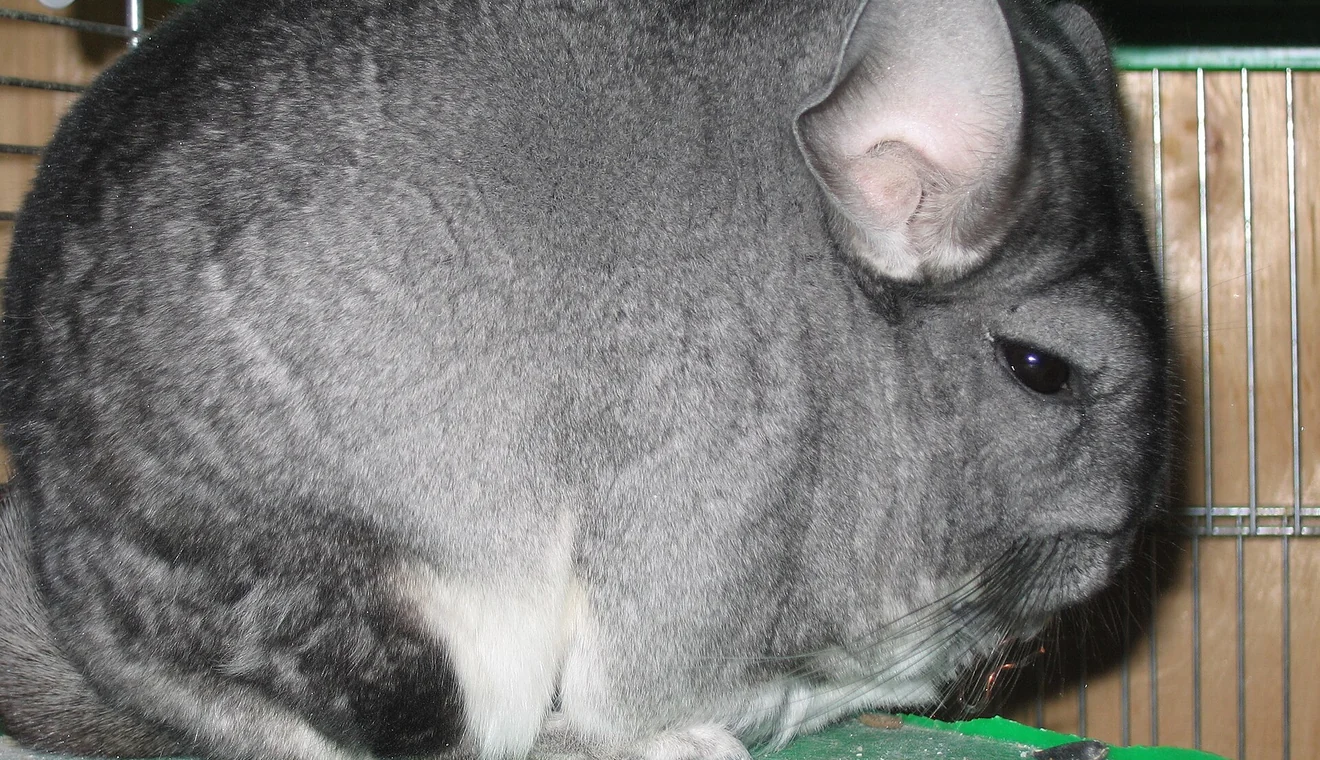
Unlimited good-quality grass hay should form the main part of a chinchilla's diet, with a modest measured portion of suitable chinchilla pellets and fresh clean water. Treats are optional and should be chosen with care.
What should a chinchilla eat every day?
The PDSA recommends continuous access to dust-extracted timothy or meadow hay and one to two tablespoons of good-quality chinchilla pellets per day, subject to the individual animal's needs.
| Food | Role in the diet | How to manage it |
|---|---|---|
| Good-quality grass hay | Main high-fibre food | Unlimited, clean and fresh |
| Complete chinchilla pellets | Additional balanced nutrients | Around 1–2 tablespoons daily as a PDSA starting point |
| Fresh water | Essential hydration | Available at all times, dispenser checked daily |
| Small suitable dried plants or occasional treats | Variety and foraging | Very limited portions, never replacing hay |
| Fresh fruit and sugary human snacks | Generally unsuitable | Best avoided under PDSA guidance |
A youngster, pregnant or nursing female, or animal with a medical condition may need different nutrition. Ask a vet familiar with chinchillas rather than applying the adult table automatically.
Why hay matters so much
Chinchillas' teeth grow continually and must be worn through appropriate chewing. Long-fibre hay also helps normal gut movement and digestive processes.
A bowl full of pellets cannot replace hay. Some chinchillas will select the easiest, most concentrated food if it is available in unlimited amounts.
Offer hay in a clean accessible rack and another safe location if your animals enjoy searching for it. Keep it away from urine and damp bedding.
Throw away spoiled or mouldy hay. Mould and dust aren't harmless simply because the material is sold as animal feed.
Timothy hay versus meadow hay
Both can be suitable grass hays. Quality, dryness, fibre content and what your chinchilla actually eats matter more than a fashionable product name.
Choose long clean strands with minimal dust and no obvious mould or foreign matter.
If the animal ignores a poor batch, try another reputable supplier rather than withholding food to make it finish the old hay.
Keep storage cool, dry and ventilated. A sealed damp plastic sack can spoil a good supply.
Regularly check that each chinchilla in a pair has access; a confident companion may guard favourite feeding spots.
What about alfalfa hay?
Alfalfa has a different nutrient profile, with more calcium and protein than many grass hays.
PDSA advises avoiding routine alfalfa for healthy mature chinchillas, while noting that young, pregnant or nursing animals may have different requirements.
Don't add alfalfa just because the pellets look small or because a pet-shop packet calls it a luxury hay.
Excess minerals can contribute to urinary problems in susceptible animals. If you suspect discomfort, straining or abnormal urine, seek veterinary advice.
How many pellets should you feed?
PDSA's one-to-two-tablespoon daily guideline gives a practical starting point, but pellet density and nutrient formulation vary.
Use a reputable complete chinchilla pellet, not rabbit, guinea pig or hamster food as a permanent substitute.
Check manufacturer feeding instructions and monitor the animal's weight and body condition with a vet.
Muesli-style mixed foods are a problem when a chinchilla picks the tastiest parts and leaves the rest. A uniform nugget reduces selective feeding.
Don't increase pellets automatically because a chinchilla seems enthusiastic about them. They are concentrated compared with hay.
Why ordinary fruit isn't a good treat
PDSA specifically warns against offering fruits such as apples, grapes and bananas, and vegetables such as carrots, to chinchillas. Their naturally dry, fibre-rich diet makes high-sugar or high-moisture foods unsuitable.
Commercial yoghurt drops, honey sticks and sugary biscuits are also poor choices.
The fact that a chinchilla eagerly eats something doesn't make it safe. Food preferences and nutritional suitability are different things.
For foraging variety, PDSA suggests tiny amounts of appropriate dried herbs, grass pellets or certain plain cereal-based treats. These should be occasional, not a substantial part of the ration.
Treats that support foraging
An occasional small amount of dried dandelion, nettle or chamomile from a safe source may be useful as a food search reward.
Check that plants are correctly identified, clean and free from pesticides and other treatments. Never use unknown roadside weeds.
Hide a tiny suitable reward in clean hay so the animal has to investigate it. The challenge should be easy enough not to prevent normal feeding.
Our Chinchilla Enrichment Guide has more activities that don't rely on repeatedly adding food.
No treat is nutritionally necessary; good hay and complete pellets are the priorities.
Drinking water and bottles
Provide fresh clean water every day. PDSA prefers a sipper bottle, as an open bowl can be tipped, become dirty or wet the animal's dense coat.
Check the nozzle each morning and evening. A full reservoir doesn't help if the ball bearing is stuck.
Wash the bottle and spout regularly, following suitable cleaning guidance. Rinse away cleaning-product residues before refilling.
If your chinchilla appears to be drinking much more or less than usual, discuss the change with a vet, particularly if weight or appetite is affected.
Feeding a pair or group
Compatible chinchillas may share a home, but they should have adequate access to hay and water without competition.
Use more than one hay location and consider a backup water point. Watch individual animals eating rather than assuming the whole group is fine because the bowl empties.
If one animal is losing weight, being chased from food or eating unusually slowly, investigate promptly.
Do not separate a bonded pair without an appropriate welfare or veterinary reason and plan.
Changing brands safely
If you're moving to a different complete pellet, make the change gradually for a healthy animal, monitoring droppings and appetite.
Chinchillas have sensitive digestion. Abrupt changes can cause problems even when both products look similar.
Don't try a succession of treat mixes because the chinchilla picks out one favourite ingredient.
For a sick or recovering animal, follow the vet's nutritional guidance instead of experimenting.
How to recognise a feeding problem
A chinchilla that stops eating, produces fewer droppings, loses weight or drools needs prompt veterinary assessment.
Dental disease can make chewing painful, so a preference for soft pellets over fibrous hay may be a warning sign.
Likewise, very small or absent droppings may indicate a serious digestive issue.
Don't wait several days to see whether a chinchilla that isn't eating will recover on its own. Contact an experienced exotics vet urgently.
Diet mistakes that are easy to make
Feeding unlimited pellets
The animal may choose them instead of essential hay.
Using muesli-style mixes
Selective eating can make nutrition unbalanced.
Offering fresh fruit as a healthy snack
PDSA advises avoiding many common fruits for chinchillas.
Replacing grass hay with alfalfa
Healthy adults normally need grass hay; alfalfa is for specific circumstances under advice.
Forgetting water bottle checks
A blocked spout can leave an animal without water despite a full bottle.
Frequently asked questions
Can chinchillas eat carrots?
PDSA advises avoiding carrots because of moisture and sugar concerns. Use appropriate dry food and grass hay instead.
Is timothy hay necessary?
Good-quality timothy or meadow grass hay is suitable. The essential factor is continuous access to clean high-fibre hay.
Do chinchillas need a daily treat?
No. Treats are optional. You can make ordinary hay and measured pellets interesting through safe foraging.
Can I feed guinea pig nuggets?
Not as the main diet. Use a balanced product specifically formulated for chinchillas.
A sensible routine is deliberately simple
Refill hay, check water and give a measured portion of suitable pellets. Remove spoiled food and observe eating and droppings.
That's the foundation of a healthy chinchilla diet. Elaborate treat menus add far less value than reliable fibre and the chance to forage.
Sources and further reading
- PDSA: Your Chinchilla's Diet — unlimited hay, 1–2 tablespoons of pellets, water and unsuitable fruits.
- Association of Pet Behaviour Counsellors: Chinchilla Factsheet — high-fibre diet and safe feeding enrichment.