Chinchilla Enrichment: Safe Toys, Climbing and Daily Activities
Chinchillas are curious, energetic animals, and a few shelves and a food bowl don't give them much to do. They naturally jump, climb, chew, forage, groom and retreat to safe places. The best enrichment lets them use those behaviours without filling their home with risky toys.
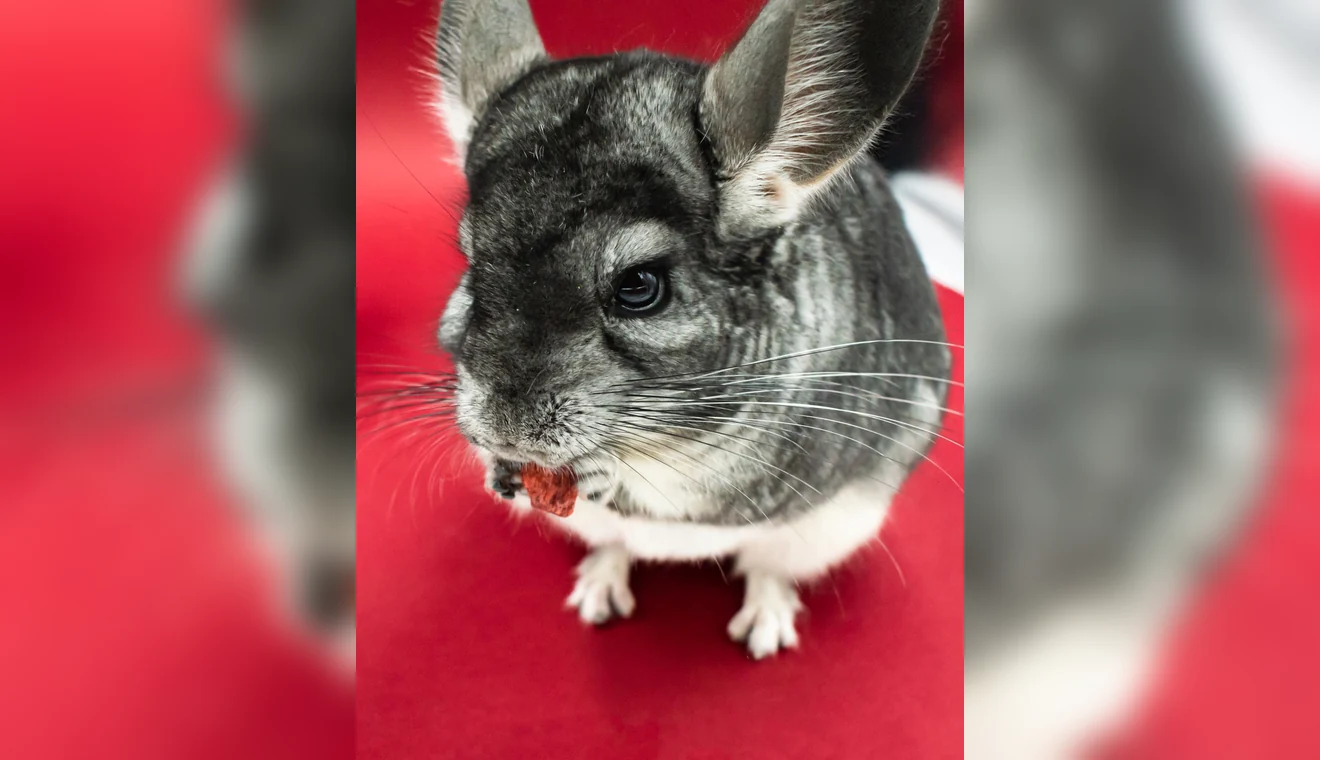
Start with a cool, spacious, secure enclosure, then add stable climbing routes, safe wood to chew, hidden portions of food and regular dust baths. Rotate a few activities rather than changing the whole environment every day.
Why chinchillas need enrichment
Boredom and poor housing can contribute to repetitive behaviour, frustration and excess weight. A chinchilla also needs suitable materials to help wear down continually growing teeth.
PDSA recommends toys, boxes, tunnels, safe branches, foraging opportunities and exercise as part of normal chinchilla care. But exercise equipment must be safe for the species; a cheap small rodent wheel isn't automatically appropriate.
Watch the animal's response. If it investigates, chews safely and returns to the item voluntarily, the enrichment may be useful. If it becomes anxious or tries to escape repeatedly, simplify the setup.
Enrichment should work alongside appropriate social contact. Chinchillas generally benefit from suitable same-species companionship, with introductions carried out carefully rather than forcing unfamiliar animals together.
Build a safe climbing route
A chinchilla likes moving between stable levels. Add well-secured wooden shelves and platforms at varying heights, creating routes that don't require unsafe leaps.
Use materials suitable for chewing and check for splinters, exposed screws and narrow gaps. Position higher levels so a slip won't lead to a long unbroken fall onto a hard object.
Don't pack every inch with platforms. The animal needs room to turn, move freely and rest.
PDSA highlights that chinchillas need substantial space and recommends very large accommodation. If the enclosure is cramped, solving that comes before buying toys.
Make the layout easy to clean
Chinchillas may urinate near favourite corners and rest areas. Surfaces need to be accessible for cleaning, including beneath fixed shelves.
Check supports and fittings during each deeper clean. A shelf that has become loose or been chewed around the mounting point may need replacing.
Chew toys that actually suit chinchillas
Safe chewing matters because chinchilla teeth continue to grow. Suitable untreated apple or pear branches are among the options suggested by PDSA.
Choose products specifically intended for chinchillas and confirm they are not painted, varnished, glued with unknown adhesives or treated with pesticides.
| Chew or activity material | Practical consideration |
|---|---|
| Suitable untreated apple or pear branches | Check species identification, cleanliness and absence of chemicals |
| Plain cardboard tube | Use only clean, uncoated material; remove if being eaten in large pieces |
| Chinchilla-safe wooden blocks | Inspect for splinters and unsafe fittings |
| Hay-filled foraging holder | Keep hay clean and accessible, not trapped in narrow gaps |
| Stable wooden hide | Offers a retreat as well as suitable chewing surfaces |
Plastic toys that can splinter or be swallowed are best avoided. Don't rely on painted parrot toys simply because they look attractive.
Avoid loose cotton fibres, long string loops, elastic and anything that could trap a limb or be chewed into dangerous fragments.
Make everyday food into a search game
A chinchilla's main diet includes high-quality hay and an appropriate chinchilla-specific pellet feed. Enrichment can encourage foraging without adding unnecessary sugary treats.
Scatter part of the measured pellet allowance around a clean enclosure, or hide small amounts in a suitable plain cardboard tube with safe hay.
Start with easy puzzles that the animal can solve without chewing through plastic. Increase the challenge only when it clearly understands the activity.
Don't hide food where it can become wet or contaminated. Check favourite hiding spots for old food after play.
A simple foraging game
Place a small amount of the chinchilla's normal hay in three locations: a stable hay rack, a safe paper container and a sheltered spot on the floor. Watch where it chooses to start.
On another day, place part of its usual pellet portion in a shallow clean tray among plain cardboard pieces. It's more interesting than endlessly adding treats.
Remember that raisins, sweet fruits and commercial sugary snacks can be unsuitable for chinchillas. Enrichment should not undermine their diet.
Dust bathing is important grooming, not just play
Chinchillas maintain their unusually dense coat through dust baths. PDSA recommends a suitable bath with around 4–6 cm of specialist chinchilla bathing sand, giving the animal approximately 10 minutes per session.
Use a container large enough for proper rolling. The dust or sand must be intended for chinchillas, not ordinary beach sand, garden soil or an improvised scented powder.
Remove the bath after use so it doesn't become a toilet. Inspect the material and replace it when soiled.
Never wash a chinchilla's dense fur as a routine grooming method. A wet coat can be difficult to dry properly and may cause problems.
Safe out-of-enclosure exercise
Chinchillas need activity beyond the sleeping area. A secure, supervised exercise space gives them opportunities to explore and jump.
Chinchilla-proof the room first. Cover cables, remove toxic plants, block spaces behind appliances and keep other pets out. A chinchilla may chew materials that look completely uninteresting to you.
Use stable hides and platforms at sensible heights. Don't allow unsupervised roaming or access to stairs and open doors.
Keep sessions in a cool environment. Exercise increases heat production, and chinchillas overheat easily. Our Chinchilla Temperature Guide explains the risks in UK homes.
Are chinchilla wheels safe?
Some specialist owners use large, solid-surface wheels designed for chinchillas, while small wire or plastic rodent wheels are unsuitable.
A wheel must be spacious enough for a natural posture, very stable and built without gaps that can trap toes or tails. Avoid buying a product simply because it is labelled “for chinchillas”.
If you are unsure about size and safety, discuss the model with an experienced chinchilla vet or rescue. A suitable exercise area and climbing environment are more important than a wheel that could injure the animal.
Tunnels and places to hide
A chinchilla needs somewhere it can choose to retreat when it wants rest. A secure wooden hide, a wide clean cardboard tube or a purpose-built shelter may be useful.
Every entrance should allow the animal to move without squeezing. Check tunnels frequently for damage and trapped debris.
Avoid tight plastic tubes that retain heat or are easily chewed. Heavy objects should sit securely so burrowing or climbing cannot topple them.
Provide more than one shelter when compatible animals share a living space, and enough room for one to move away from another.
Keep enrichment interesting without creating stress
You don't need to add new objects every day. Swap one chew item, move a foraging tray or offer an unfamiliar safe box while leaving favourite sleeping areas unchanged.
Some chinchillas approach novelty immediately. Others stand back and observe. Give the animal time to choose.
A simple weekly rhythm might be a new foraging arrangement on Monday, a chew replacement midweek and a supervised change to the exercise area at the weekend. Dust bathing and normal care continue according to the animal's needs.
The aim isn't to make the enclosure a theme park. It's to provide safe opportunities for normal behaviour every day.
Signs the enrichment plan isn't working
Excessive pacing, repeated escape attempts, chewing unsuitable surfaces or sudden inactivity deserve attention. Consider cage size, temperature, companionship, diet and health rather than adding another toy blindly.
If an animal stops eating or passing normal droppings, shows signs of pain, or develops wetness around its mouth or chin, seek prompt veterinary advice. Dental problems are especially important in chinchillas.
Don't interpret illness as boredom. An animal can have a beautifully enriched enclosure and still need medical care.
Common enrichment mistakes
- Giving small plastic wheels or wire running surfaces.
- Hanging toys with loose loops or exposed metal.
- Using unknown garden branches.
- Offering sugary treats in every puzzle.
- Providing climbing shelves with risky long falls.
- Leaving the dust bath in the enclosure until it becomes soiled.
- Assuming toys compensate for a cramped or overheated home.
Chinchilla enrichment questions
Can chinchillas play with toilet-roll tubes?
Plain, clean cardboard may be a useful supervised foraging or shredding item, but remove it if the animal swallows large pieces or the tube becomes damaged.
Do chinchillas need daily exercise?
They need regular opportunities for movement and mental activity, including safe supervised exercise. Tailor the routine to health and the animal's individual needs.
Is a dust bath a toy?
It's an important grooming activity, not a substitute for climbing, chewing, appropriate housing and social needs.
Can I use toys sold for rabbits?
Only after checking every material, size and fitting for chinchilla suitability. “Small animal” doesn't mean safe for every species.
Build a home worth exploring
Offer secure height, appropriate wood, clean hay, places to hide, opportunities to forage and reliable temperature control. Keep the toys simple and rotate them slowly.
A chinchilla that can move, choose, chew and settle comfortably has more to gain from a well-designed environment than from a pile of gimmicks.
Sources and further reading
- PDSA: Chinchilla Health — enrichment ideas, dental needs and dust-bath guidance.
- PDSA: The Ideal Home for Chinchillas — space, exercise equipment, hides and environmental conditions.