Cockatiel Cage Size: UK Dimensions and a Better Setup
A cockatiel is a flying bird, not a decoration for a narrow cage. A cage needs enough clear space to move, stretch its wings and climb safely, with room for perches and food without crowding everything together. For a single cockatiel, UK animal-licensing guidance gives a reference dimension of 96 cm long × 72 cm deep × 72 cm high, based on an average 48 cm wingspan. That is a useful starting benchmark, not a target to squeeze down to.
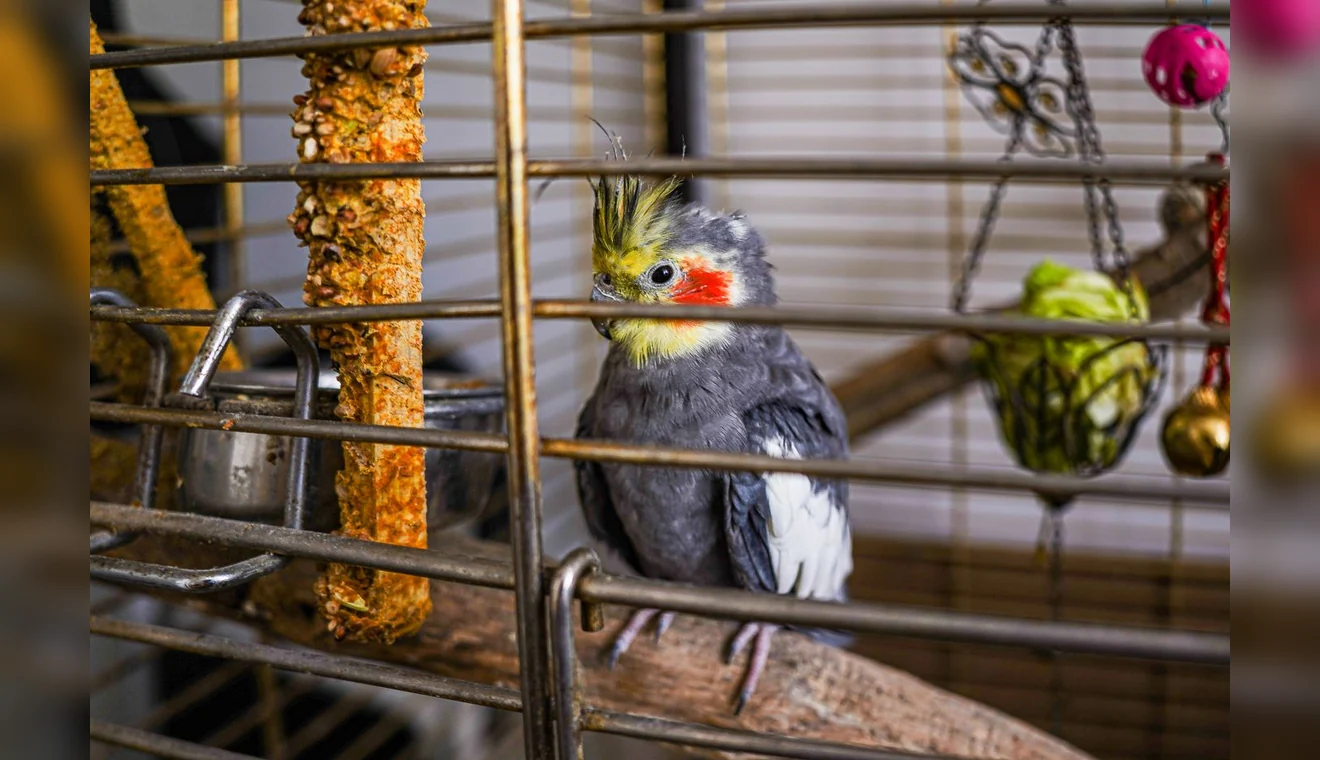
Where does the 96 × 72 × 72 cm figure come from?
UK statutory guidance for businesses licensed to sell pets uses a wingspan calculation to describe minimum flight space for a single cockatiel. It lists a 48 cm average flying wingspan, with length twice the wingspan and depth and height one and a half times. Scottish licensing guidance gives the same figure. These are commercial licensing reference figures, not a claim that every household cage has that exact legal minimum. In ordinary homes, aim for more usable space wherever possible.
Width matters as much as height
Cockatiels move horizontally in flight, so a tall narrow cage is no substitute for a generous length and depth. A cage can look huge in a shop because it has a decorative roof or high stand, yet offer little clear flying room. Check the internal usable dimensions rather than the sales description. Space taken by feeders, toys and perches must be considered too.
How much space for two cockatiels?
Two birds need enough room to move apart, perch separately and access food without blocking one another. Licensing guidance provides percentage increases for additional birds in commercial circumstances, but these should not be treated as a complete domestic welfare solution. Compatibility and individual temperament matter. A larger aviary or dedicated safe flight room is better than calculating the absolute smallest cage that might fit a pair.
The importance of daily flight time
RSPCA advises that pet birds kept in indoor cages need access to safe free flight for at least six hours a day. A generous cage is therefore only part of the setup. Create a bird-safe room with shut windows and doors, covered mirrors or glass where appropriate, and no open flames, ceiling fans or other hazards. Never assume a clipped bird cannot escape or injure itself.
Bar spacing and construction
The gaps between bars must be narrow enough that the cockatiel cannot push its head through. Avoid cages with flaking coatings, rust, sharp welds or insecure doors. The bird will test fixtures with its beak, so materials should be appropriate for parrots. Some decorative cages have wide spacing intended for bigger birds; that does not make them safe for cockatiels. Inspect the actual product and seek avian-vet advice if uncertain.
Set up the perches thoughtfully
Provide several perches of safe materials and varied diameters so feet are not held in one position all day. Natural branches from known bird-safe, untreated trees can be useful when cleaned and correctly mounted. Keep a clear flight path between areas, and avoid packing every available centimetre with perches. Place them so droppings do not fall into food or drinking water.
Toys need space around them
Foraging toys, safe shredding materials and swings can add interest, but overcrowding a cage restricts movement. Rotate a small number of suitable toys and inspect them for loose threads, sharp metal, broken clips or small parts. Cockatiels may be wary of new objects, so introduce changes gradually. Our Cockatiel Behaviour Guide explains body-language signs that a bird feels uneasy.
Where should the cage be placed?
Choose a bright room with ordinary household activity but a calmer corner where the bird can retreat. Avoid kitchen fumes, aerosol sprays, smoke, draughts, direct midday sun through glass and radiators. Birds are especially sensitive to fumes from overheated non-stick cookware, so never rely on a kitchen as a safe location. Leave a solid wall or sheltered side behind the cage for security, while maintaining good ventilation.
Night-time rest and predictable routine
Cockatiels need regular uninterrupted rest in a calm, dark environment. Some birds experience sudden night frights and may flap violently if startled. Secure perches, remove obvious collision hazards and monitor whether the sleeping area is too noisy or exposed. A soft night light sometimes helps an individual bird, but that should not replace investigation of frequent panicked episodes. Seek avian veterinary advice if injury or repeated distress occurs.
Outdoor aviaries: more room, more planning
RSPCA regards properly designed aviaries as a good way to provide space for flight and natural behaviour. An outdoor structure requires secure double-door access, predator protection, sheltered accommodation and suitable protection from heat, cold and wind. UK weather and disease risks from wild birds need consideration. A garden aviary isn't simply an indoor cage moved outside; build and manage it as a separate animal-housing project.
Food and water must not be crowded
Use secure dishes with enough access points that birds cannot easily monopolise them. Place water where it is less likely to be fouled, and check and refresh it daily. Nutrition also affects overall health: a seed-only diet is not the ideal default. Our Cockatiel Diet Guide explains how to plan appropriate food and introduce changes gradually.
What about a cage marketed as 'for cockatiels'?
Ignore the label until you've measured it. Some cages are sold on appearance, portability or the size of a bird's body rather than the space needed for flight. Check internal length, depth, height, bar spacing and whether cleaning and access are practical. A roomy rectangular flight cage is often more useful than an ornate tower. Confirm the bird can turn and flap without striking the sides or toys.
Signs a setup may be too small
Frequent bar chewing, repetitive pacing, poor flight confidence or conflict between birds can indicate unmet needs, although health and behaviour have several possible causes. If a cockatiel appears stressed, adjust the environment and arrange an avian-vet check rather than assuming buying one toy will fix it. Tail feathers continually rubbing on bars or a bird unable to extend both wings are immediate signals that usable space is inadequate.
The best way to upgrade
Measure the space available in your home and buy the largest well-built flight-oriented cage you can maintain safely. Plan perches, food, water, toys and door access on paper before purchase. Confirm you have a safe daily flight area outside the cage and enough time for cleaning and interaction. For additional activities, see our Parrot Enrichment Guide and Budgie Cage Size Guide for related—but not identical—bird needs.
Research and further reading
- GOV.UK: selling animals as pets — statutory guidance, bird enclosure sizes — cockatiel wingspan and commercial licensing reference dimensions.
- RSPCA: housing and environments for pet birds — space, daily free flight and aviary guidance.
- Scottish Government: minimum cage and enclosure sizes — reference dimensions and group housing.