Corn Snake Humidity: Target Range, Humid Hide and Shedding Problems
Corn snakes need moisture in their environment, but keeping the entire enclosure damp is not the answer. The RSPCA recommends around 40–50% ambient humidity for corn snakes, with a separate humid hide that offers a local moister retreat. The animal should be able to choose comfortable microclimates while avoiding constantly wet surfaces.
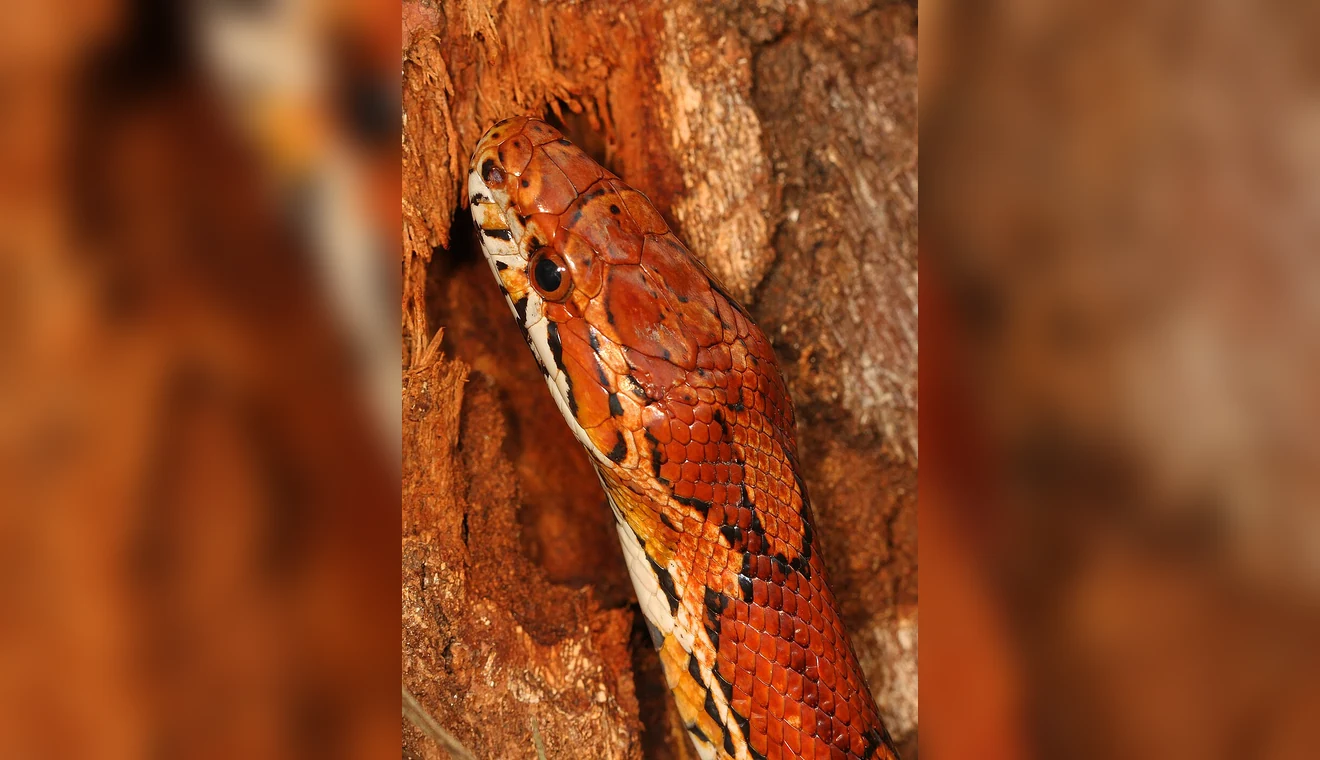
Humidity affects skin shedding and respiratory health. A reading outside the recommended range is a reason to review the enclosure, not an invitation to soak everything or shut all ventilation.
What humidity do corn snakes need?
RSPCA guidance suggests 40–50% as a useful ambient target. Actual conditions can fluctuate as the room warms, humidity changes and water evaporates. Use a reliable digital hygrometer and observe the snake as well as the numbers.
A local humid hide gives the animal somewhere moister to retreat during shedding. That is different from creating rainforest humidity across the vivarium, which may encourage unhealthy dampness and poor hygiene.
Where should you place a hygrometer?
Measure in a representative position, ideally away from direct misting and water splashes. Sensors held against an unusually wet hide or directly under a heat lamp may give misleading readings. If possible, check more than one area, including the cooler end.
Record readings across several days before making changes unless the environment is obviously unsafe. The size, ventilation and materials of the enclosure affect how moisture is retained.
What is a humid hide?
A humid hide is a secure shelter containing slightly damp material, such as appropriately prepared moss, that keeps a small area more humid than the rest of the enclosure. The RSPCA recommends offering a choice of hides throughout temperature zones, and a humid hide can support shedding.
Choose a hide large enough for the coiled snake to fit comfortably, with smooth edges and a secure opening. Keep it clean and replace soiled moss promptly. Our corn snake temperature guide explains why access to warm and cool areas also matters.
Signs the enclosure may be too dry
Difficult or incomplete shedding can sometimes indicate that moisture or access to a humid hide is inadequate. A healthy corn snake usually removes its skin in one piece, although minor fragments do not always mean an emergency. Look for repeated problematic sheds, skin remaining around the tail tip or eye caps that do not come away.
Do not manually peel retained eye caps. They can be mistaken for actual eye tissue, and a reptile vet can assess and treat the problem more safely.
Can too much humidity be harmful?
Yes. Constantly wet substrate and poor airflow can contribute to skin problems, mould and unsanitary conditions. The RSPCA warns that corn snakes with damp skin can develop blisters. If the vivarium is persistently above the target, first inspect ventilation and sources of moisture.
A dry resting area should remain available. Do not cover every ventilation opening to raise humidity; the snake needs adequate airflow as well as an appropriate moisture level.
Water bowl placement
Provide fresh water daily in a secure bowl, usually positioned towards the cooler side as the RSPCA advises. The bowl should be large enough for the snake to soak if it chooses and stable enough not to tip. Dirty water must be replaced promptly.
A large uncovered bowl can influence humidity, especially in a compact enclosure. Avoid placing it directly over heat merely to force evaporation. Clean water is a welfare requirement, not just a humidity tool.
Does substrate affect humidity?
Different substrates hold water differently. Organic soils or suitable mixes can allow natural burrowing while retaining some moisture, but they still need to be managed to avoid constant dampness. Paper towels are useful for temporary monitoring in some situations, though they offer fewer natural behaviours.
Our corn snake temperature guide discusses the wider environment. Choose substrate based on the whole setup rather than a promise that one material will fix every humidity problem.
What should you do if humidity is low?
Check the accuracy of the hygrometer, inspect room conditions and make sure the humid hide is appropriately moist. Small changes can be safer than flooding the enclosure. If the snake is healthy and shedding normally, consider whether a brief isolated reading actually reflects the conditions it experiences.
Avoid household humidifiers, fragrances and essential oils placed near reptile enclosures without specialist guidance. These can introduce contaminants or change the room unexpectedly.
What should you do if humidity is high?
Improve airflow where safely possible, remove excessively wet substrate, check for spills and review the position and size of water sources. Keep the warm and cool zones functioning normally. A persistent high reading warrants looking at the whole enclosure's design.
Do not dry the snake by raising the basking temperature beyond safe limits. Heat and humidity are separate environmental controls that should each be measured.
Shedding and veterinary warning signs
A snake entering a shed may hide more and look dull, with cloudy eyes. Avoid unnecessary handling. If shed remains over the eyes or forms tight bands, seek advice from a reptile-experienced vet; don't rub or pull at the eyes.
Breathing difficulty, wheezing, discharge around the mouth or unusual lethargy also merits veterinary examination. Humidity is important, but symptoms cannot be diagnosed from a single hygrometer reading.
A sensible monitoring routine
Check humidity alongside temperature and ventilation, keep a clean humid hide available and replace water daily. Inspect after sheds and correct obvious moisture problems gradually. Record repeated abnormalities instead of chasing hourly fluctuations with misting.
The aim is a stable, well-ventilated corn snake home with choice—not a permanently wet box. Suitable humidity, thermal gradients and secure shelters all work together.
When moving a corn snake to a new vivarium
Before changing an enclosure, measure the humidity in both the old and replacement setups for several days. Make sure the new vivarium offers warm and cool hides and a suitable humid retreat, rather than treating one hygrometer reading as the entire habitat. A bigger glass enclosure may lose moisture differently from a wooden one, so you might need to adjust ventilation and substrate while maintaining the correct temperature gradient. Check that the snake can find its water dish and that a damp hide does not leave skin pressed against standing water. If the animal is already shedding badly or showing respiratory symptoms, consult a reptile vet before attempting major changes. Avoid simultaneously altering heating, water, substrate and feeding, because the effects become difficult to interpret.
Research and further reading
- RSPCA: Caring for your corn snake — 40–50% humidity, humid hides, shedding and skin risks.
- RSPCA: Places for reptiles to hide — secure hides and humid microclimates.