Dog Food Intolerance: Symptoms, Allergies and a Sensible Diet Trial
A dog that repeatedly develops loose stools or itchy skin after meals may have a food-related problem, but a food intolerance and a true food allergy are not the same thing. More importantly, symptoms such as vomiting, diarrhoea and itchy ears can have causes unrelated to food. Switching brands at random every few days may make it harder to work out what is wrong.
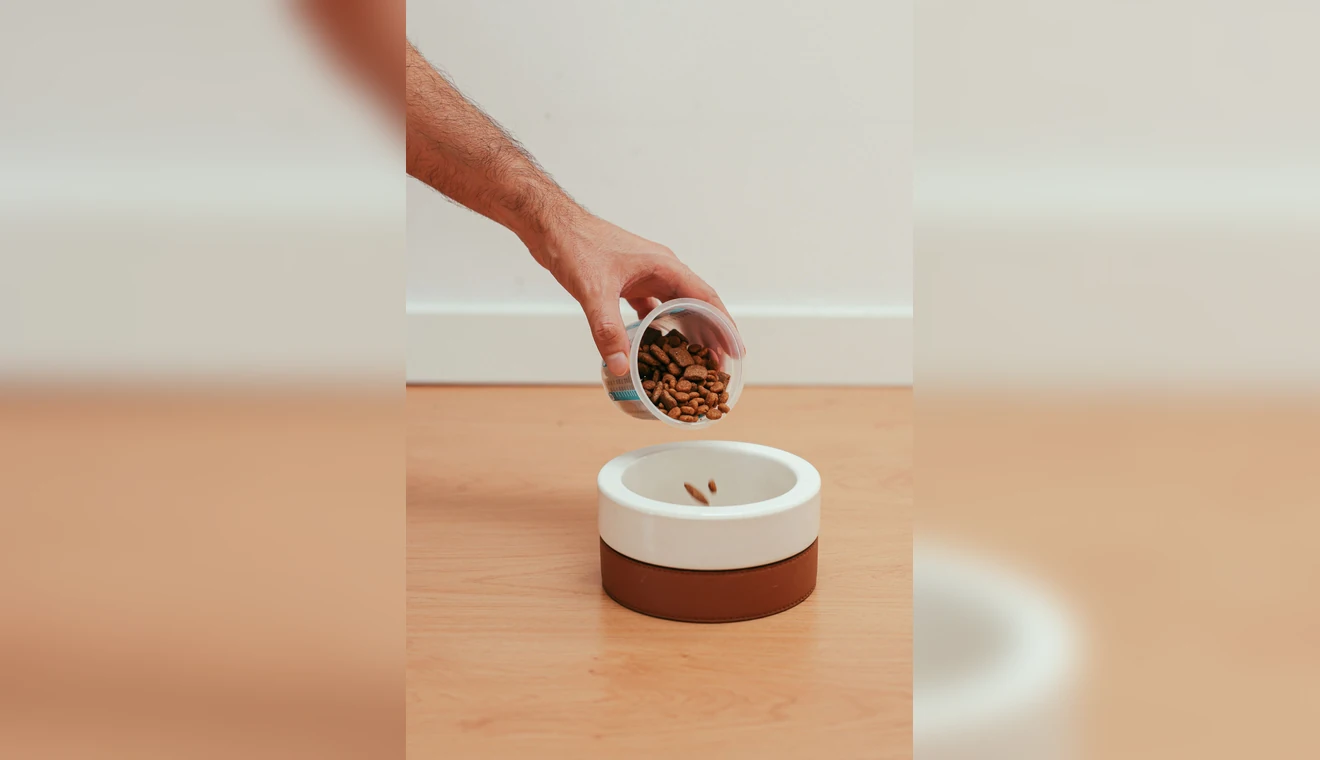
PDSA recommends speaking to a vet rather than relying on online intolerance tests. A properly managed elimination diet is often the useful investigation when a food allergy is suspected.
Allergy versus intolerance
A food allergy involves the immune system reacting to a food component. An intolerance may involve difficulty tolerating an ingredient without the same immune mechanism. In practice, owners often use these words interchangeably when their dog has stomach upset, but a diagnosis needs more than noticing symptoms after a meal.
Keep a record of what your dog eats, how quickly any signs appear and whether they persist between meals. That can help your vet decide if a food-related investigation is appropriate.
Which symptoms might suggest a problem?
Food allergy in dogs can cause itching, especially around paws, face and ears, as well as skin irritation and sometimes digestive upset. PDSA also lists vomiting, diarrhoea and wind. None of these symptoms proves that chicken, wheat or another ingredient is responsible.
Our dog itchy paws guide covers other causes of licking and scratching. A dog with a skin infection or flea allergy needs appropriate treatment even if it also eats a new food.
Why you should visit the vet first
The vet may need to check parasites, infection, other gastrointestinal disease or skin problems before investigating diet. PDSA notes that blood tests marketed for diagnosing food allergies in dogs are not accurate enough to replace a proper food trial. Internet questionnaires and home hair-analysis kits have similar limitations.
Seek prompt care for persistent diarrhoea, repeated vomiting, weight loss, significant pain or lethargy. Don't delay treatment while trying yet another protein flavour from a supermarket.
What an elimination diet involves
A veterinary elimination trial uses a carefully selected diet intended to avoid ingredients the dog may react to. That may be a hydrolysed formulation or a suitable novel-protein diet under professional guidance. The entire trial must be controlled, because even a small extra treat can interfere with the results.
PDSA says a trial commonly lasts six to twelve weeks, depending on veterinary advice. The time is important: skin signs may not clear after only a few meals. Ask how improvement will be recorded and when review appointments are due.
Treats, chews and flavoured medicines matter
During an exclusion trial, snacks, table scraps, flavoured supplements and some medicines can expose the dog to other ingredients. Discuss every treat and reward with your vet before starting. If your dog needs a prescribed medicine, do not stop it yourself; the practice can advise on compatibility.
Other household members need the same feeding rules. A trial is difficult to interpret if someone secretly gives the dog biscuits or leftovers every afternoon. Use measured portions of the trial food for training where appropriate.
Is grain-free food the answer?
Not automatically. A grain-free label says little about whether a specific dog has an allergy, and grains are not the only possible source of a reaction. Likewise, a food labelled 'hypoallergenic' on a shop shelf may not be suitable for a diagnostic trial.
Choose a diet with veterinary input and follow the plan consistently. The objective is to test a suspected condition in a controlled way, not to buy the most expensive-looking bag.
What happens when symptoms improve?
Improvement during the trial suggests diet may play a role, but confirmation often involves a planned challenge or reintroduction of the original food under veterinary supervision. If signs return, that helps identify a genuine response. Don't run challenge tests without discussing the risks, particularly if past symptoms were severe.
Some dogs require long-term dietary management, while others improve because an unrelated condition was treated during the same period. This is why clear clinical records matter.
How does this differ from changing an ordinary dog food?
A normal transition between complete diets is usually gradual to reduce digestive upset. Our changing dog food guide explains that routine process. A diagnostic elimination diet has different rules: the vet may specify an exact formula, timeline and restrictions. Mixing in the old food could invalidate the trial.
Do not apply the generic transition timetable blindly if your vet has provided a medical diet schedule.
Could the symptoms mean something more urgent?
Yes. Bloody diarrhoea, repeated vomiting, a painful abdomen, marked weight loss or a dog unable to keep water down needs prompt veterinary advice. Our dog diarrhoea guide outlines warning signs beyond ordinary mild stomach upset.
An emergency is not the time to diagnose a food intolerance. Stabilising the animal and identifying the cause take priority.
Keeping a helpful food diary
Record each meal, brand and amount, treats, medications, stool changes, itching, ear problems and any other symptoms. Photographs of skin changes can help during veterinary follow-up. Note whether multiple dogs share bowls or visitors regularly offer snacks.
Keep the diary short enough that you can maintain it. Accuracy beats a beautiful spreadsheet filled in from memory at the end of the week.
The practical next step
Speak to your vet, investigate other possible causes and follow a properly designed elimination trial when advised. Resist repeated food swaps or expensive unvalidated tests. A complete diet that suits the dog is essential, but knowing why a problem occurs matters more than a persuasive 'sensitive stomach' label.
Managing a trial in a busy household
A controlled diet trial works only when everyone who feeds the dog follows the same rules. Put the prescribed food in a clearly labelled container, tell visitors not to share snacks, and make a plan for training rewards using permitted food. If you have several dogs, supervise mealtimes so the dog being assessed cannot finish another animal's bowl. Check whether dental chews, flavoured tablets or edible toys contain ingredients that could interfere with the trial, and ask the vet before stopping any necessary medicine. Keep records of stool quality, itch and ear symptoms using the same simple descriptions every few days. If a mistake happens, tell the vet; an accurate history is much more useful than quietly pretending the trial remained strict.
Research and further reading
- PDSA: Food allergies in dogs — symptoms, elimination trials and testing limitations.
- PDSA: How to conduct a food trial for a dog — strict food restrictions and the veterinary follow-up plan.