Changing Dog Food: A Gentle Transition Without Upsetting the Stomach
Changing a dog's food seems easy until it turns its nose up at dinner or develops loose stools. The digestive system often benefits from time to adjust, and a picky dog may dislike an unfamiliar taste or texture. PDSA advises changing dog food gradually over approximately 10–14 days rather than swapping everything overnight.
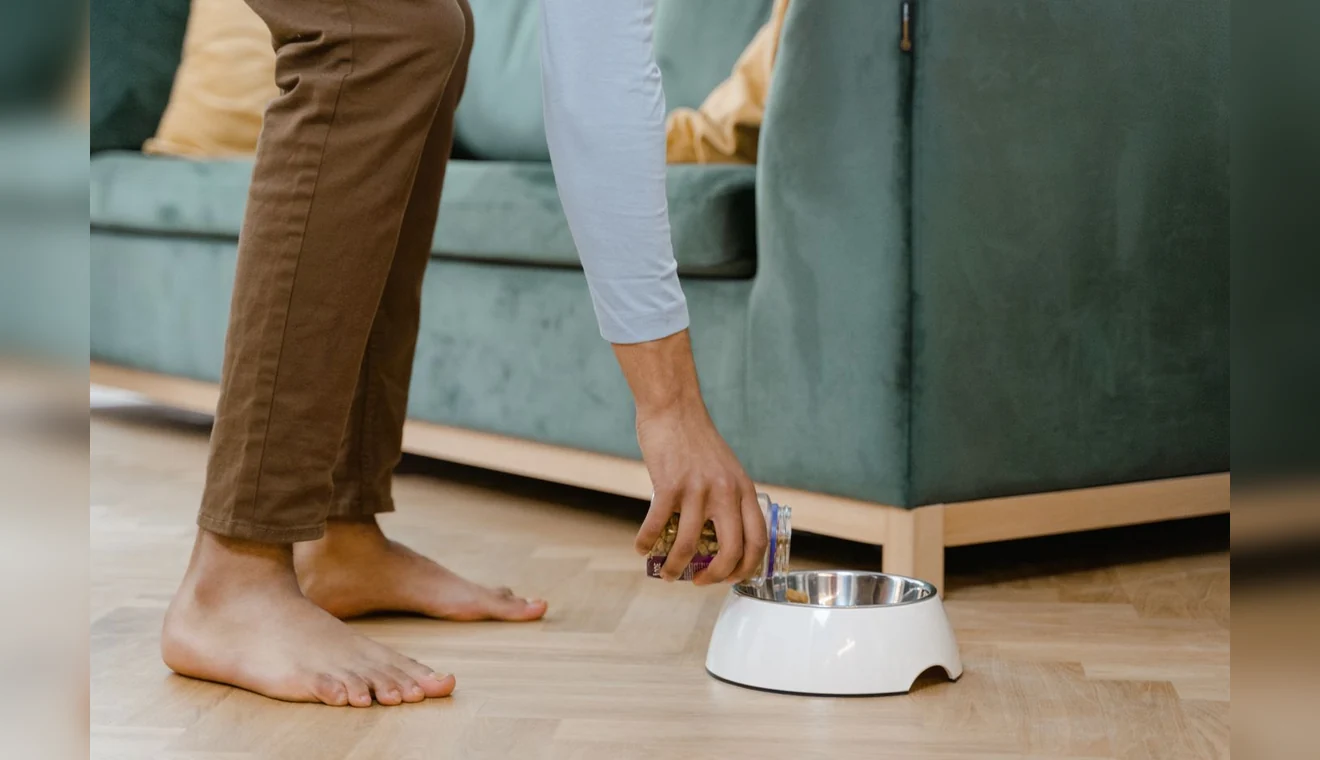
The best plan depends on why the diet is changing. A healthy dog moving between complete foods may need a simple transition, while a dog on a prescribed diet or with gastrointestinal illness needs the vet's specific instructions.
If itching or digestive symptoms recur despite gradual feeding changes, our dog food intolerance and allergy guide explains why a veterinary elimination trial may be needed.
Why change your dog's food gradually?
A sudden change can lead to diarrhoea, vomiting, wind or refusal of food. The composition, fat level, fibre, protein sources and texture may differ even between products with similar names. A slower introduction helps you notice whether the new diet is tolerated. It does not make an unsuitable food safe: the replacement still needs to be complete and appropriate for your dog's age, health and nutritional requirements.
How long should the transition take?
For many healthy dogs, plan roughly two weeks. PDSA's guidance describes offering small amounts of new food separately in the first few days, gradually mixing small portions with the old food from days four to ten, then phasing out the previous diet by around days ten to fourteen. Some dogs adapt more slowly. Use the dog's actual stool quality, appetite and comfort to decide whether to pause at a stage.
Persistently soft stools can be associated with rear-end discomfort; our dog anal-gland guide explains when scooting or a fishy smell warrants examination.
First days: introduce the new food in tiny amounts
Offer a teaspoonful or a similarly small portion of the replacement beside the normal meal, following PDSA's initial approach. This helps your dog become familiar with smell and texture without abruptly changing a whole meal. If it refuses, remove it without pressure and try another calm opportunity. Do not reduce the established food dramatically at this point. Your dog should still receive adequate nutrition.
If your dog begins straining or passes almost no stool, consult our dog constipation guide and contact your vet rather than using human laxatives.
Next: mix in a small amount
Once your dog accepts the new food, begin mixing a little into its usual meal and gradually increase the proportion over several days. Keep total daily calories broadly consistent with the needs and feeding directions of the new product. Do not simply add more food on top of the full usual ration. A gradual change is about substitution rather than increasing the amount the dog eats.
Final stage: phase out the old diet
When the dog is happily eating the mixture with normal stools, continue decreasing the old food until the new diet makes up the complete ration. If mild looseness develops, hold at the current stage and contact your vet if it persists or the dog seems unwell. Sudden watery diarrhoea, repeated vomiting or lethargy are not normal adjustment signs to ignore.
Should you switch more slowly for a sensitive dog?
Yes, a dog with previous digestive upset may benefit from a longer planned change after veterinary advice. Your vet may recommend an even smaller starting portion, gradual steps or a specific veterinary diet. If the dog has chronic digestive problems, first ask whether a diet trial or diagnostic investigation is needed. Repeatedly changing brands to solve unexplained diarrhoea can make it harder to understand the cause.
How do you know the new food is suitable?
Look for the word complete on the package and confirm it suits the dog's life stage, size, activity and health. Puppies, pregnant dogs and adults with medical conditions have different needs. UK Pet Food members follow appropriate nutritional standards, but the label and manufacturer information still need checking. If moving to a vegetarian or homemade diet, seek veterinary advice to avoid nutritional imbalance.
Wet versus dry food transitions
Switching between wet and dry foods changes texture, water content and calorie density, so the amounts are not interchangeable gram for gram. A small-looking portion of dry food may contain as many calories as a considerably larger wet portion. Check each product's feeding guide and weigh portions where possible. Add water only according to appropriate guidance and use fresh bowls to maintain hygiene.
What if your dog refuses the new food?
First rule out illness or oral pain if appetite has changed generally. A healthy dog may reject an unfamiliar flavour or texture while still eating the old food. Present tiny samples calmly without turning meals into a standoff. Try appropriate temperatures or textures, but avoid adding high-fat treats and table scraps that make the diet less balanced. If your dog stops eating, especially a young or elderly pet, contact your vet.
Can you change food because of itchy skin?
Skin irritation can have many causes, including parasites and environmental allergies. Switching a food without veterinary guidance may not address the cause and can confuse a properly designed elimination trial. Ask your vet before starting an allergy diet, particularly if the dog is scratching, losing fur or repeatedly licking its feet. Our Dog Itching Paws at Night Guide explores why skin symptoms need a broader assessment.
What about changing a puppy's food?
Puppies need appropriate growth nutrition, and young animals can be more affected by prolonged poor intake. Continue the food supplied by a responsible breeder or rescue initially if it is suitable, and introduce changes gradually when the puppy is settled. Ask the vet when to move from puppy to adult feeding for your dog's breed and growth pattern.
For young dogs, daily meal frequency changes with age as well as food type; our puppy feeding schedule gives a practical UK timetable.
What if your vet prescribes a special diet?
Follow the vet's instructions over any generic two-week chart. Some medical diets require a precise, controlled change and some conditions may require urgent adjustment. If you're doing an elimination trial, extra treats or mixing foods might invalidate it. Confirm whether the diet should be exclusive, how long to use it and what signs to report. A prescribed diet should not be altered casually just because the dog seems bored.
Are raw diets easier on a dog's stomach?
Not necessarily. Raw feeding has food-safety and nutritional considerations, including bacterial contamination risks to pets and people. PDSA advises against homemade raw diets and recommends speaking with a vet before changing to any raw feeding approach. Don't assume raw food will cure diarrhoea, allergies or fussy eating. A complete commercially prepared diet and appropriate veterinary guidance are safer starting points for most routine changes.
How much should you feed during the swap?
Use the manufacturer's feeding recommendations as a starting point, then adjust based on the dog's body condition, weight trend and individual activity. Keep treats within a sensible portion of daily intake and avoid double portions when mixing old and new. A simple kitchen scale helps. Ask your vet or veterinary nurse to demonstrate canine body-condition scoring so you can review weight as the new diet settles.
What if stools become slightly softer?
Mild temporary softness without other symptoms may settle when the transition slows. Pause increases in the new food for a short period, monitor hydration and contact a vet if symptoms persist or recur. Do not keep switching products every other day. If diarrhoea is severe, bloody or accompanied by vomiting, abdominal pain or weakness, get veterinary advice promptly. Our Dog Diarrhoea Guide explains urgent warning signs.
Can you keep rotating flavours every week?
Some dogs tolerate variation, but regular abrupt changes can still provoke stomach upset. If rotating foods is important to you, keep a consistent base and introduce any substantial formula changes gradually. Don't assume two flavours in the same range have identical nutritional composition. A dog thriving on one complete diet has no requirement to change it just for novelty. Use safe enrichment at mealtimes instead of constantly changing nutrition.
How can you tell a transition is working?
The dog eats the new diet willingly, passes normal stools, maintains energy and settles into an appropriate weight trend. Keep brief notes about the proportion of each food, stool changes and appetite, especially if the dog has had gastrointestinal trouble before. Contact a vet if vomiting, ongoing diarrhoea, marked itchiness or food refusal develops. A successful switch improves the dog's nutritional fit rather than simply emptying the old bag.
A realistic shopping and feeding checklist
Buy enough old food to allow a gradual change, choose a complete suitable replacement, plan about 10–14 days for a healthy dog and weigh portions. Start with tiny samples, increase slowly and monitor stools and appetite. For chronic illness, veterinary diets or unusual symptoms, replace the generic timetable with your vet's advice. Consistency and careful observation usually matter more than complicated recipes.
Research and further reading
- PDSA: your dog's diet — 10–14 day switch, suitable complete foods and nutritional choices.
- PDSA: diarrhoea in dogs — when digestive changes require examination.
- PDSA: vomiting in dogs — signs of illness versus temporary adjustment.