Dog Constipation: Signs, Causes and When to Call the Vet
A dog straining repeatedly in the garden without producing much poo may be constipated. But straining can also signal an obstruction or trouble passing urine, and the distinction matters. PDSA advises contacting a vet whenever your dog is struggling to poo rather than trying an over-the-counter laxative and hoping for the best.
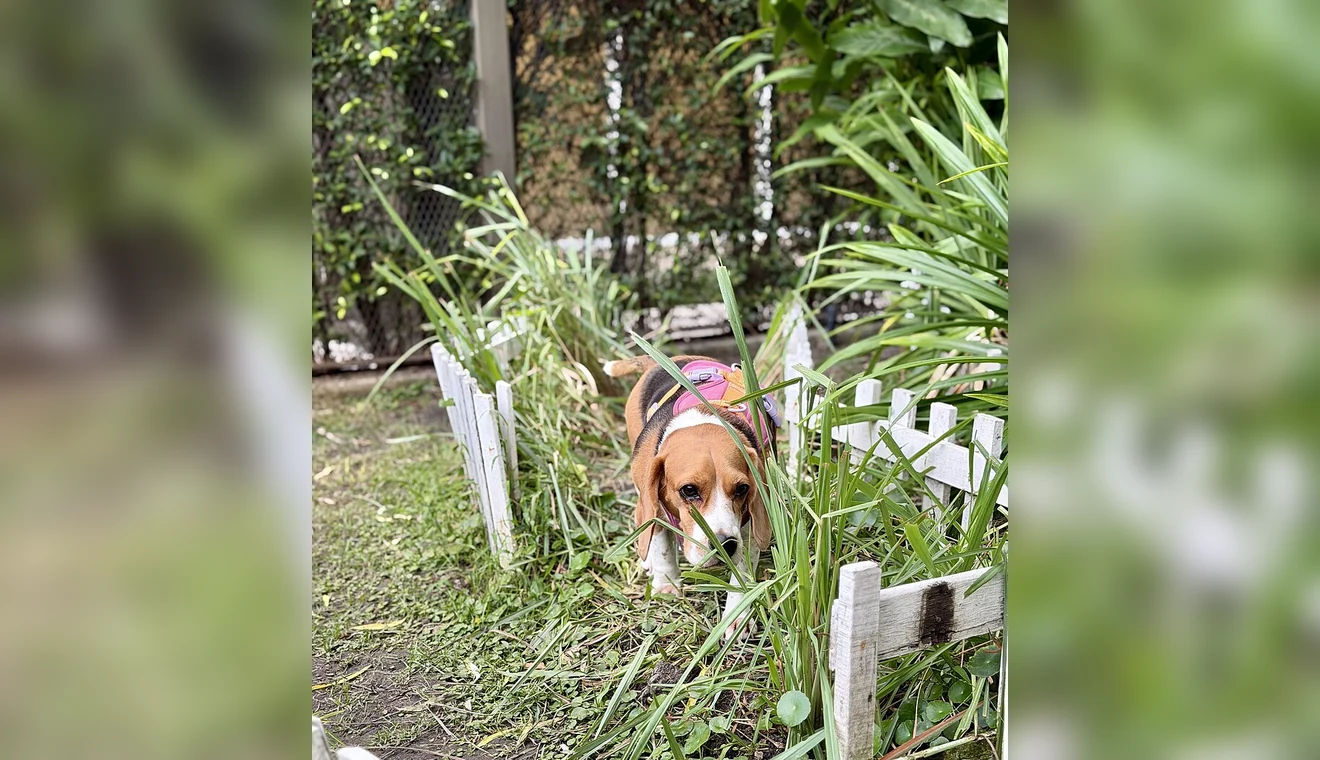
The most useful things you can do first are check what your dog has actually passed, look for signs of pain, and explain the change in toileting behaviour to your veterinary practice. Not every dog needs to poo on the same timetable; an unusual change from its own pattern is more informative.
What constipation looks like in a dog
Constipation means stool stays in the bowel and becomes difficult to pass. You may see prolonged squatting, several attempts in a short time, hard dry pellets or only tiny amounts of faeces. Some dogs whimper, turn to look at their bottom or become reluctant to squat. A small smear of mucus or watery material may appear even when harder faeces remain trapped.
PDSA notes that straining can happen with diarrhoea too, so the appearance of what comes out matters. If you're not sure whether your dog is trying to wee or poo, call the vet immediately for advice. An inability to pass urine is an emergency.
Common causes, from everyday to serious
Dehydration, a sudden unsuitable diet, swallowing bones or other objects, certain medicines and reduced activity can all affect stool passage. Pain in the back, hips or rear end may make it uncomfortable to hold the position needed to poo. Conditions that narrow or obstruct the bowel or anus, including an enlarged prostate in some male dogs, can be more serious.
A vet may need to distinguish simple hard stool from a swallowed foreign object or another disease. That's why recommending pumpkin, oil or a laxative to every constipated dog isn't safe. Something blocking the gut won't necessarily improve because more food is added.
What to check before phoning the vet
Notice when your dog last passed a normal stool, whether it is eating and drinking, and whether vomiting or abdominal swelling has appeared. Check that it is still urinating normally. Note any new bones, chews, medications, food changes or unusual items it might have swallowed. If possible, photograph the stool or make a brief note of the amount and consistency.
You don't need to force the dog to try again every few minutes. That may cause distress without changing the underlying problem. A clear account of the timing and symptoms helps the vet prioritise the appointment and choose an examination.
When constipation needs urgent assessment
Contact the vet promptly if your dog strains without producing stool, seems painful or is repeatedly trying to toilet. Seek more urgent help for vomiting, a swollen or painful abdomen, collapse, severe lethargy, blood, an inability to urinate or suspicion that it swallowed an object. Do not wait several days for a severe problem to become unmistakable.
Some dogs with a blockage may pass a little liquid stool around the obstruction. That doesn't prove the bowel is clear. PDSA explains that more serious cases require examination and sometimes imaging or treatment under anaesthesia.
Can you give a dog a laxative at home?
Not without veterinary guidance. Human laxatives, suppositories and enemas may be unsuitable for animals, especially when the cause of the straining is unknown. Don't insert anything into your dog's rectum, give mineral oil by mouth or try to manually remove stool. Besides causing injury, these actions can delay treatment for an obstruction.
If a vet diagnoses uncomplicated constipation, they may prescribe an appropriate laxative, recommend diet or hydration changes, or treat an underlying condition. Follow the product and dose exactly; what's safe for one dog may not be right for another.
Hydration, feeding and sensible movement
For a well dog receiving veterinary advice, adequate fresh water, an appropriate complete diet and comfortable daily movement support normal bowel function. Don't abruptly feed huge portions of bran or change brands repeatedly. If your vet recommends a fibre adjustment, follow the individual plan and monitor the response.
Our changing dog food guide explains how to introduce a suitable diet gradually. If your dog's stools changed immediately after a food switch, record the old and new products for the appointment. Some dogs need a tailored diet because of another health condition, not a generic high-fibre recipe.
What if your dog is elderly or arthritic?
An older dog with sore hips or a stiff back may avoid squatting long enough to finish toileting. Arthritis and reduced mobility can therefore contribute to difficulty passing stools, even when the diet is unchanged. Keep toileting opportunities frequent and the route to the garden accessible. Don't force painful exercise to 'get the bowels moving'.
Our senior dog diet guide covers how weight and feeding needs can change with age, but sudden straining still deserves veterinary advice. Comfortable mobility, pain management and nutrition may all need attention together.
How the vet investigates and treats the cause
The vet may check hydration, examine the abdomen and rear end, and ask about diet and toileting habits. Depending on the problem, they may recommend X-rays, ultrasound, blood tests or further investigation. Mild cases may respond to prescribed medication and dietary advice; severe retained stool sometimes requires an enema or removal under anaesthesia.
Some causes need quite different treatment. A foreign body, a painful anal problem or an enlarged prostate won't be fixed by the same measures as mild dehydration. Ask what the vet believes is causing the straining and what symptoms would make a recheck necessary.
Preventing another episode
Keep clean water available, provide a suitable diet and monitor your dog's normal stool pattern. Store bones, corn cobs, toys and other swallowable objects securely. Regular appropriate walks can support general wellbeing, but avoid overexercising an unwell dog. If the animal often strains, has recurring hard stool or seems painful around its bottom, ask the vet to look for the underlying cause.
Our dog anal-glands guide covers a separate reason for bottom discomfort and why scooting or straining shouldn't automatically be treated as a gland problem.
The practical takeaway
A healthy dog's occasional slower toilet trip may be harmless, but persistent straining, hard stools or failure to pass poo isn't a diagnosis you should make at home. Check whether your dog can wee, look for pain and vomiting, and call the vet. Avoid improvising with human medicines or enemas. A diagnosis-led approach is safer and more likely to get normal toileting back.
Sources and further reading
- PDSA: Dog constipation — symptoms, common causes, vet treatment and why laxatives need advice.
- PDSA: Bottom problems in dogs — other causes of straining and discomfort.