Dog Anal Glands: Blockage Symptoms, Smell and When to See a Vet
A dog dragging its bottom across the carpet is memorable, but scooting doesn't automatically mean its anal glands need emptying. The irritation could come from blocked glands, worms, skin trouble or something stuck in the fur. If your dog is scooting repeatedly, licking its bottom or seems uncomfortable, a vet can identify the cause before anybody attempts treatment.
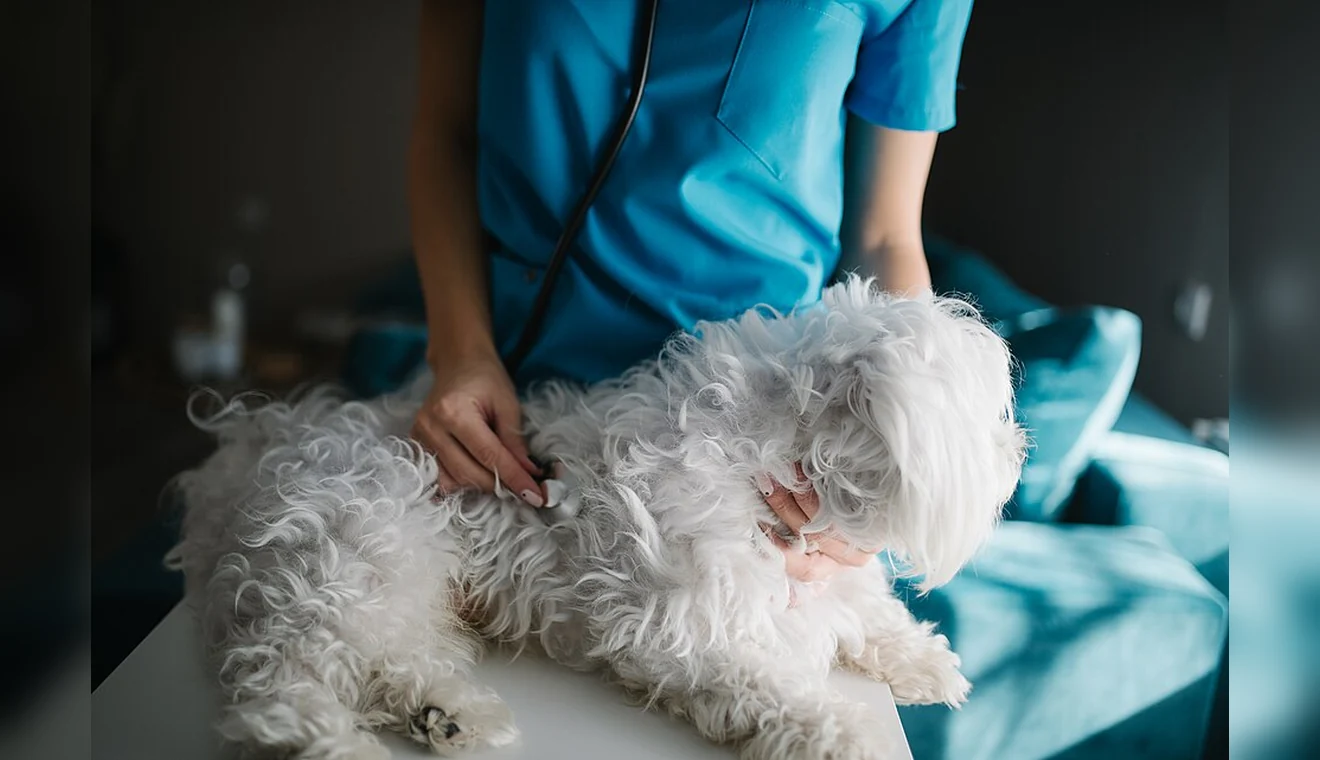
Most healthy dogs never need their anal glands expressed manually. They're small sacs that normally empty as the dog passes a firm stool, and squeezing them unnecessarily isn't good routine grooming.
What are anal glands?
Dogs have two anal sacs just inside the anus, roughly in the four and eight o'clock positions when viewed from behind. They contain a strongly scented fluid used in communication between dogs. A small amount normally leaves the sacs during toileting, so owners rarely notice them functioning. Problems arise when secretions build up, ducts become obstructed or tissue becomes inflamed.
PDSA explains that a blockage may cause discomfort and can progress to an infection or abscess if ignored. That is different from a normal brief fishy smell when an excited or frightened dog releases a little secretion.
Common signs of a blocked anal gland
Watch for repeated bottom-dragging, frequent licking under the tail, sitting down suddenly, sensitivity when the rear end is touched or discomfort while passing a stool. Some dogs turn sharply to look at the tail base. An unpleasant fishy smell can occur, but odour alone cannot distinguish a routine release from a blockage.
A dog that strains to pass faeces may also have constipation or other bowel problems. Our dog constipation guide covers that separate issue and why prolonged straining always needs veterinary advice. Don't assume squeezing anal sacs will fix a toileting problem.
Why some dogs have repeated problems
Soft stools may not apply the same pressure during toileting as well-formed stools, which can make normal sac emptying less effective. PDSA also identifies obesity, narrow gland openings and ongoing skin allergies as possible factors. Some dogs experience only one episode; others have recurring trouble that needs an individual management plan.
A change in food or adding large amounts of fibre without guidance isn't automatically the answer. The vet should check whether the dog has diarrhoea, skin disease, excess weight or another reason for repeated irritation. Treating the underlying problem is more useful than relying on regular emergency visits for expression.
Scooting can have other causes
A dog may drag its bottom because there is dried stool caught in fur, worms, skin inflammation or a wound. Occasionally a lump or another disease around the anus is responsible. PDSA's scooting guidance recommends checking for an obvious simple problem but booking a vet appointment if the cause isn't clear or the area looks abnormal.
A gentle look under the tail is reasonable if your dog tolerates handling. Don't push a finger inside the anus or rub an already painful area. If there's a visible mass, bleeding or marked swelling, stop and seek veterinary advice.
When is it urgent?
A red, swollen, very painful area beside the anus, blood, pus or an open wound can indicate an anal-gland abscess. PDSA advises contacting a vet as soon as possible, because abscesses are painful and may burst. A dog that won't eat, becomes lethargic or cannot toilet normally needs prompt assessment.
Do not attempt to drain a swelling, squeeze a suspected abscess or apply human haemorrhoid cream. The tissue is delicate, an infection may need medication and the animal can bite when touched unexpectedly. Keep the dog comfortable and tell the clinic exactly what you see.
What happens at a veterinary appointment?
A vet will assess the bottom and surrounding skin, consider the dog's bowel and parasite history and, if appropriate, examine the anal sacs. A straightforward blockage may be treated by carefully emptying them. Painful or infected sacs need different management, potentially including pain relief, medication and follow-up care.
Repeated cases may warrant investigation of allergies, stool consistency, body condition or unusual gland anatomy. Surgery is reserved for selected serious ongoing problems after discussing risks and benefits. The objective is not merely to stop the smell but to stop the condition returning.
Should you express the glands at home?
Not as a routine precaution. PDSA specifically advises against treating anal-gland problems yourself, particularly when infection or an abscess is possible. Incorrect technique can hurt the dog or damage delicate tissue. Even when somebody shows you how to express glands, you still need a reason to do so and a plan for recognising when the procedure is inappropriate.
If your vet has developed an individual care plan for a recurring problem, follow that advice rather than videos offering a universal schedule. A dog without symptoms may need no manual expression at all.
Does diet or weight management help?
A suitable complete diet that supports normal, formed stools may help some dogs. Overweight animals can have more difficulty with grooming and other health issues that complicate rear-end care. Discuss gradual weight management with the vet instead of cutting meals suddenly. Chronic soft stools and allergies may need separate assessment.
Our dog food transition guide explains how to change an appropriate diet gradually without provoking digestive upset. An abrupt switch isn't a treatment for infected glands and could make stool quality worse.
Hygiene without overdoing it
If the fur around the bottom is soiled, clean it gently with lukewarm water and dry the coat thoroughly, provided the dog isn't painful. Long-haired breeds may benefit from careful grooming around the rear. Avoid perfumed wipes, strong soap, essential oils or aggressive rubbing. A wet bottom that keeps getting soiled needs investigation rather than endless cleaning.
Keep notes if the problem recurs: stool quality, diet changes, licking, whether the dog scoots and how long relief lasts after treatment. This gives the vet useful evidence about patterns that a quick appointment might miss.
What a good outcome looks like
Your dog can toilet normally, settle without licking the rear end and no longer has recurring pain or swelling. A little occasional scent isn't a reason to start squeezing healthy glands. When scooting persists or returns, investigate the cause rather than repeating a procedure because it helped last time. Most owners need to watch for changes, keep their dog in suitable body condition and seek professional help when symptoms appear.
Sources and further reading
- PDSA: Blocked anal glands in dogs — anatomy, symptoms, causes and treatment.
- PDSA: Anal gland abscesses in dogs — emergency warning signs and why home drainage is unsafe.
- PDSA: Scooting in dogs — alternative causes of bottom-dragging.