Kennel Cough in Dogs: Symptoms, Contagion and Care
A dog suddenly making a loud, dry hacking noise can sound as though something is stuck in its throat. Kennel cough is one possible explanation, especially after close contact with other dogs, but not every cough is kennel cough, and breathing trouble must never be dismissed as a routine infection.
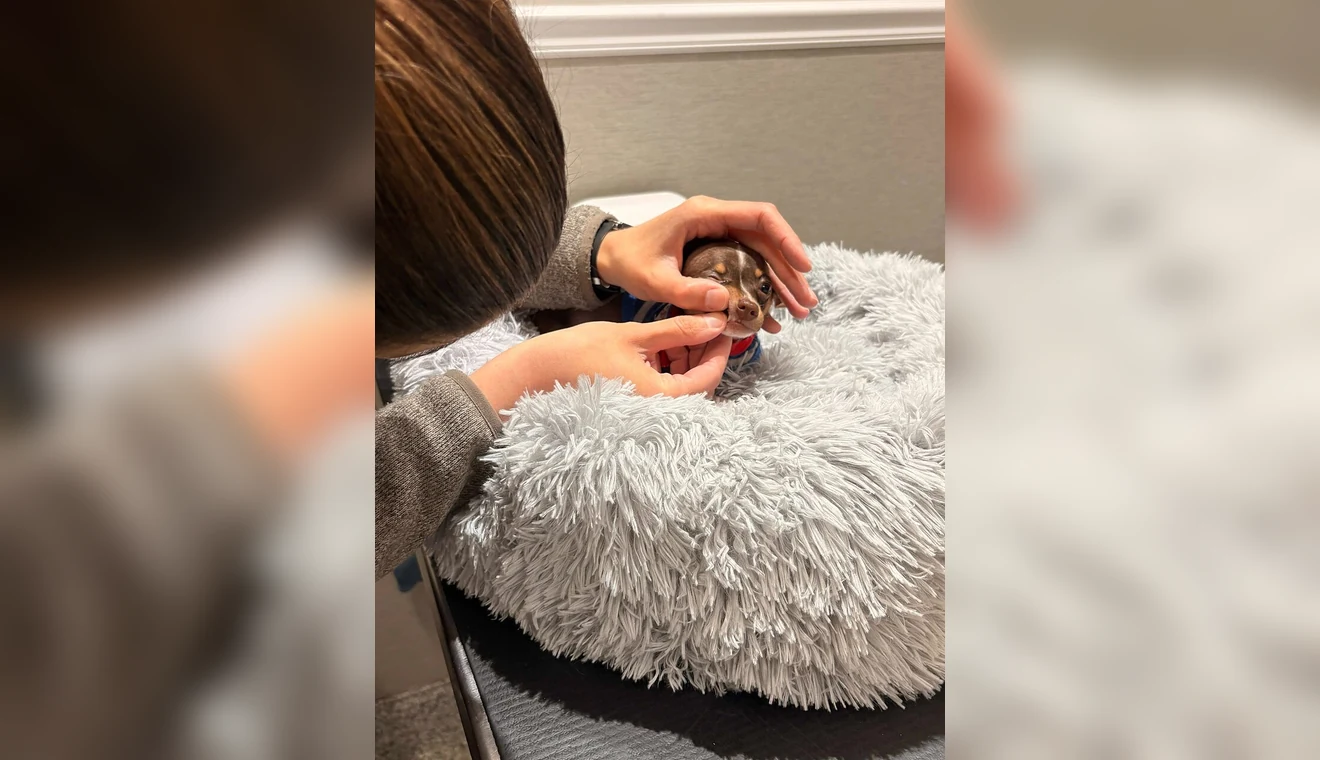
PDSA describes kennel cough as a contagious airway illness caused by several viruses and bacteria. Many otherwise healthy dogs recover with rest, but some need veterinary treatment and particular care is required for puppies, older dogs or animals with other illnesses.
What does a kennel cough sound like?
The typical sound is a dry, forceful hacking cough, sometimes followed by gagging or bringing up a little frothy saliva. Some dogs cough more after activity, excitement or pressure on the neck. A video recorded safely at home can help a vet recognise the pattern, but sound alone cannot confirm the diagnosis. Heart disease, airway collapse, foreign objects and other infections may produce overlapping noises.
How do dogs catch kennel cough?
Infection spreads when dogs share airspace, sniff one another or contact contaminated surfaces and equipment. Boarding kennels, training classes, day-care centres and crowded dog gatherings can increase exposure. Dogs can catch it without ever entering a kennel, which is why the everyday name can be misleading. A dog may develop signs days after contact, so consider recent walks, visitors and social activities when speaking to the vet.
How long after exposure do symptoms appear?
PDSA gives a typical incubation period of approximately three to fourteen days, though this varies with the organism involved. A dog may have visited a busy park last week and only begin coughing now. This delay makes tracing the exact source difficult. If several dogs have symptoms, notify the organiser of any recent gathering rather than blaming one owner. Keeping a symptomatic dog away from other animals matters more than proving where it caught the illness.
Is kennel cough dangerous?
Many healthy dogs remain lively and recover without prescription medication, but the risk is not identical for every animal. Puppies, senior dogs and dogs with underlying respiratory problems can become more seriously ill. Watch for fever, poor appetite, lethargy, laboured breathing or worsening cough. Contact your vet promptly if these occur. A dog that is struggling to breathe, collapses or has pale or bluish gums needs immediate veterinary help.
Should you visit the vet?
Phone your veterinary practice for advice when you suspect kennel cough, especially if your dog has a severe cough, looks unwell or has been coughing more than a few days. Tell the receptionist about the cough before arriving. Practices often arrange for potentially infectious dogs to wait outside rather than in a crowded waiting room. Do not walk an obviously ill dog through a room full of other patients without warning.
How long does kennel cough last?
PDSA reports that symptoms commonly last one to three weeks, although individual recovery varies. Improvement is usually gradual rather than immediate. If the cough worsens, persists beyond expectations or is accompanied by other symptoms, get veterinary advice rather than assuming it will disappear on its own. A dog can remain infectious after the worst symptoms settle, so the duration of isolation may be longer than the visible cough.
How long should dogs stay away from others?
PDSA recommends avoiding contact with other dogs and public spaces while coughing and for around two to three weeks afterwards, because spread can continue after symptoms have gone. Follow your vet's specific advice for your dog's circumstances, particularly if a kennel or day-care provider has its own requirements. Do not take a recovering dog into a packed training class just because its cough sounds quieter than yesterday.
What can you do at home?
Give your dog quiet, comfortable rest, fresh drinking water and a calm room. Reduce activities that trigger coughing. If the dog is otherwise well, normal feeding may continue, but monitor appetite and energy. PDSA notes that a mildly steamy room may soothe some dogs, provided it is supervised and comfortable. Never expose a dog to scalding steam, essential oils or forced confinement in a hot bathroom.
Should your dog go for walks?
Choose very brief, quiet toilet trips away from other dogs when necessary, and otherwise prioritise rest. Vigorous exercise may trigger coughing and prolong irritation. Use a comfortable harness rather than pulling on a collar that presses the neck. Avoid dog parks, busy paths and organised gatherings until your vet confirms the appropriate return to activities. Our Loose Lead Dog Walking Guide covers harness-and-lead routines for ordinary healthy walks.
Do dogs need antibiotics for kennel cough?
Not routinely. Several organisms may cause the illness, and antibiotics do not treat viral infections. PDSA notes that vets rarely prescribe them for uncomplicated cases, though they may consider them for vulnerable dogs or suspected bacterial complications. Never give spare antibiotics or another pet's medication. The right treatment follows veterinary assessment, not a guess based on how dramatic a cough sounds.
Can you give human cough medicine?
No, not without a vet explicitly directing a specific product and dose. Human medicines may contain ingredients dangerous to dogs, and suppressing a cough can be inappropriate if a dog needs to clear airway secretions. Herbal cough mixtures and essential oils are not automatically safe either. If your dog cannot sleep because of coughing, call your vet rather than improvising from the medicine cupboard.
How does vaccination help?
Vaccination can reduce the risk and severity of some common causes of kennel cough, but it does not protect against every possible organism. Your vet can advise whether the vaccine is appropriate, particularly for dogs regularly using boarding kennels or day care. Some establishments require vaccination in advance of arrival. Ask the provider about its policy when booking, rather than arranging a vaccination on the day you intend to leave your dog. If you are arranging early training classes, see our puppy socialisation guide and postpone group activities if your puppy develops a cough.
Can a vaccinated dog still get kennel cough?
Yes. Vaccines reduce risk rather than eliminating every possibility of infection. A vaccinated dog with a new cough still needs to avoid other dogs and should receive veterinary guidance. Do not assume the vaccine is faulty or that every cough is harmless because your dog is up to date. Look at the whole animal, including breathing, energy, appetite and whether the symptoms are improving.
What if you have two dogs at home?
Separate food bowls and resting places where practical, wash hands after handling a coughing dog and clean shared items appropriately. Completely preventing exposure may be difficult if they already share a home, but reducing close contact can still make sense. Ask your vet about how to protect a young or medically vulnerable companion. Do not use surface disinfectants around animals without checking their suitability and ensuring adequate ventilation.
Is coughing after exercise always kennel cough?
No. Exercise-related coughing can also reflect airway irritation, a collapsing trachea, cardiac conditions and other illnesses. PDSA recommends veterinary examination for a cough that makes a dog unwell or continues beyond a few days. If your dog coughs at night or develops reduced stamina, note when it occurs and how long it lasts. Keep a short record of coughing bouts to share with your vet.
What if the dog is not eating?
A coughing dog with a reduced appetite or low energy needs more urgent assessment than one that remains bright and interested in food. Monitor water intake and ask a vet for advice promptly if it is refusing meals, especially in a puppy or senior dog. Do not force food or assume the appetite will return automatically after the cough disappears. A fever or other complication may require treatment.
How can you prevent spread at a boarding kennel?
Check vaccination requirements before booking, keep your dog home if it is coughing and tell the establishment about recent exposure. Good ventilation, hygiene and sensible group sizes can help reduce infection risks, though no setting is completely risk-free. If boarding is unavoidable during illness, contact your vet for alternatives rather than withholding the information from staff. Your dog should recover before mixing with unrelated animals.
A straightforward recovery plan
Call your vet when kennel cough is suspected, keep the dog away from other dogs, provide rest and water, monitor breathing and appetite, and follow professional advice about isolation and vaccination. Do not self-prescribe antibiotics or cough medicine. If symptoms persist or the dog seems increasingly unwell, arrange a recheck. The aim is safe recovery without unnecessarily spreading an infection to other pets.
Research and further reading
- PDSA: kennel cough — symptoms, typical duration, isolation and vaccination.
- PDSA: coughing in dogs — other causes, warning signs and when to seek care.