Dog Resource Guarding: Signs, Safety and What to Do
A dog freezes over a chew, watches as someone approaches its bowl, then growls. The sensible response is to give the dog space—not to prove who is in charge. Resource guarding means a dog is worried about losing something it values. Food and toys are common triggers, but dogs may also guard resting places, stolen objects or even access to a person. The first job is to prevent a bite while you arrange suitable help.
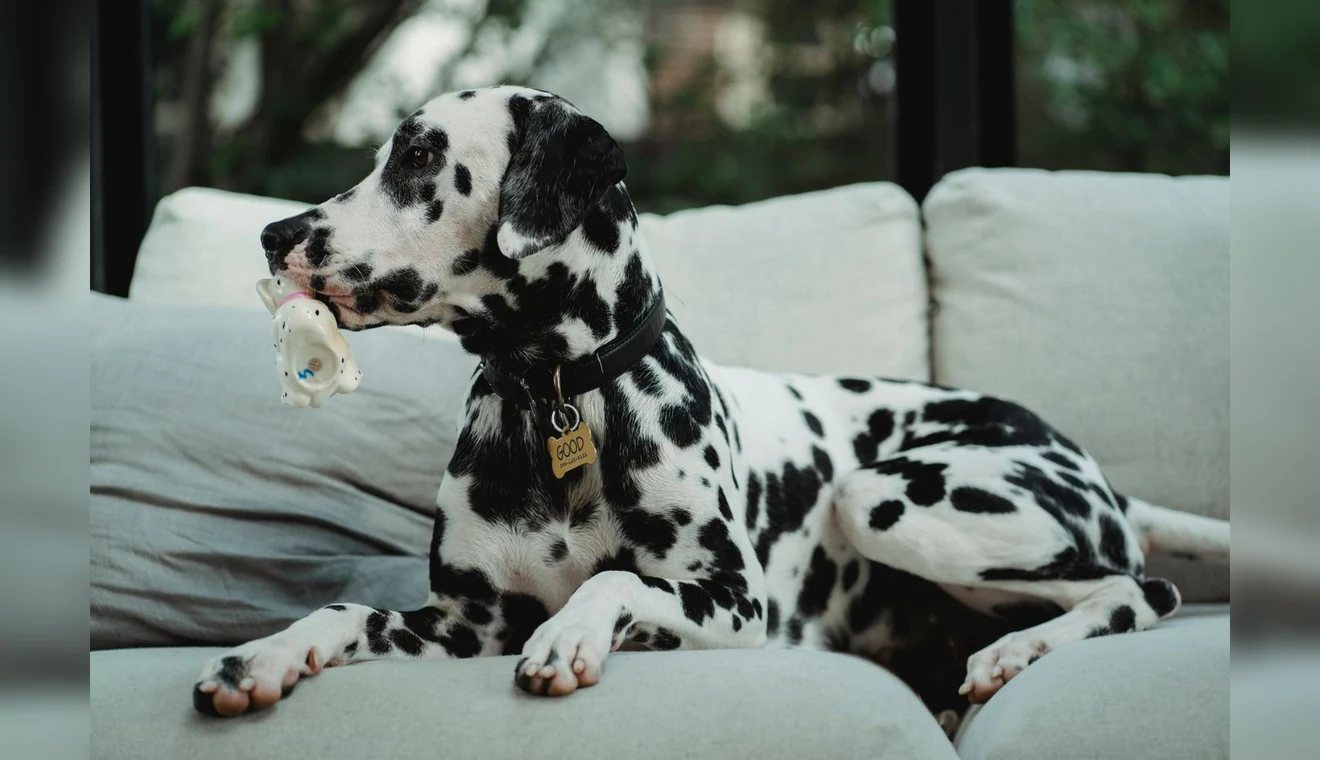
What does resource guarding look like?
The earliest signs can be easy to miss: your dog eats faster as you approach, stops moving, leans over an item, turns its head to keep you in view, or walks away carrying the item. A stiff face, fixed stare and visible whites of the eyes may follow. Growling, snapping and biting are more obvious warnings, not the only evidence of a problem. Observe from a safe distance instead of testing whether you can touch the item.
If a puppy is joining a resident dog, keep valued food and toys separate initially; our puppy-to-older-dog introduction guide covers that first week.
Stolen food can also be hazardous: our foods toxic to dogs guide explains common kitchen risks and why poisoning needs prompt veterinary advice.
Why a dog might guard food or possessions
Guarding is usually about fear of losing access to something important, rather than a contest for rank. Previous experiences of having items removed, competition with other pets, unpredictable approaches and general anxiety may all contribute. Pain and illness can make a dog less tolerant of interruptions too. Do not assume a dog with a good overall temperament cannot guard; behaviour can be limited to one specific object or situation.
What to do if your dog is guarding right now
Stop approaching and calmly move away. Keep children, visitors and other animals out of the area. If the object is harmless, let your dog finish with it undisturbed. Avoid reaching past its head, cornering it, chasing it or pulling it away. A barrier such as a closed door or baby gate is more helpful than a confrontation. If a dangerous swallowed object is suspected, contact a vet urgently rather than risking a bite to retrieve it.
Never punish the warning growl
A growl is information that the dog feels uncomfortable. Telling a dog off for growling does not make the fear disappear; it may make future warnings less obvious. Similarly, repeatedly taking a bowl away to demonstrate control can confirm the dog's worry that people approaching means losing something. Avoid 'alpha' techniques, hand-feeding tests and deliberate provocation. Your aim is a relaxed dog, not a silent dog tolerating a frightening situation.
Make mealtimes predictable
Feed your dog in a quiet space where nobody needs to walk past. Put the food down, leave it alone and give the dog time to finish. Where several pets live together, use separate areas and secure doors or gates so nobody competes at the bowls. Pick bowls up only after dogs have left the area. Ask every family member to follow exactly the same arrangements; inconsistency increases the chance of an accidental approach.
Manage chews, toys and found objects
For now, avoid offering high-value long-lasting chews in busy rooms. Put troublesome items out of reach before the dog can take them, rather than wrestle them away afterwards. When another pet is present, provide separate activities and supervise interaction. On walks, scan for discarded food and potentially hazardous objects. Practise general training skills at other times using rewards, never beside an actively guarded item.
Is it safe to trade for something better?
Teaching a dog to exchange an ordinary toy for a higher-value reward can be helpful as a separate, calm training exercise. However, do not start an improvised trade beside a growling or snapping dog. A dog with an established guarding problem needs a plan tailored to its triggers and bite risk. A qualified reward-based behaviourist can show you how to work below the dog's threshold without provoking another incident.
Guarding the sofa or a resting place
Some dogs guard a bed, doorway or sofa because they fear losing a comfortable, protected spot. Instead of dragging the dog off, arrange an appealing resting place that is genuinely undisturbed. Manage access to contested locations using gates and routines. If a visitor needs the sofa, guide the dog elsewhere well before visitors arrive rather than trying to move it when it is already distressed.
What about resource guarding around children?
Treat this as a significant safety concern. Children cannot reliably read canine body language and should never be asked to take food, toys or chews from a dog. Keep dogs and children separated by a secure physical barrier during meals and when tempting objects are present. Supervision alone is not enough if an incident can happen in a second. Seek professional help promptly and follow a household safety plan.
Does resource guarding mean a dog will bite?
Not every guarding dog bites, but growling, stiffening and lunging signal that it may feel forced to defend something. The risk depends on the dog's history, the item, available escape routes and who is nearby. A dog that has snapped or bitten, a dog guarding objects it might swallow, or a dog guarding against a child requires individual assessment. Don't attempt to diagnose the risk from internet tips.
When should you see a vet?
Arrange a veterinary check when guarding appears suddenly, becomes worse, involves a new sensitivity to touch or coincides with altered movement, appetite or sleep. Dental pain, arthritis and other conditions can affect behaviour even if the dog looks outwardly healthy. If a dog swallows a battery, medication, sharp object or other dangerous item, contact an emergency vet. Do not put your fingers in its mouth to retrieve the item.
Finding appropriate behaviour support
Start with your vet and ask about referral to a suitably qualified, reward-based clinical animal behaviourist. Explain exactly what the dog guards, what everyone did before the incident and whether anyone was injured. Note distance, setting and warning signs without recreating the incident for a video. Treatment usually combines safe management with carefully planned changes to how the dog feels about people being nearby.
Helping a puppy avoid learning to guard
Teach puppies that people approaching predict pleasant, calm experiences, but do not regularly steal their food or toys. Offer safe swaps for low-value objects in relaxed settings and let them enjoy food without interference. Make sure they have an undisturbed sleeping space. Our Puppy Socialisation Guide covers building confidence gradually; our Dog Enrichment Ideas suggests activities that can be enjoyed safely in separate spaces.
Common mistakes that make things worse
Reaching for a bowl to 'see if the training worked', taking toys away as punishment and letting visitors practise dominance are unsafe shortcuts. So is flooding a frightened dog with close human contact until it stops reacting. If your dog only guards around another pet, do not assume the same management works for family members. Change the environment to prevent rehearsals while the vet and behaviour professional help with the underlying fear.
The practical takeaway
When a dog guards something, make space, prevent competition and avoid confrontation. Don't wait for a bite to take the warning seriously. A predictable routine and professional support give the dog a better chance of feeling secure, while barriers protect everyone in the meantime. For calmer everyday training unrelated to guarding, see Loose-Lead Dog Walking and Dog Recall Training.
Research and further reading
- Dogs Trust: resource guarding food and toys — warning signs, immediate management and when to seek support.
- Dogs Trust: recognising aggressive behaviour — why dogs need space when worried.