Dog Scared of Thunder: A Practical Plan for Stormy Weather
The first rumble of thunder can turn a settled dog into one that trembles, paces or hides behind the sofa. Some dogs react before the storm is audible to us, possibly noticing changes in the weather and other cues. If your dog is frightened, give it somewhere safe to retreat and stay calm; don't force it outdoors or make it confront the noise. You can comfort a frightened dog without rewarding fear.
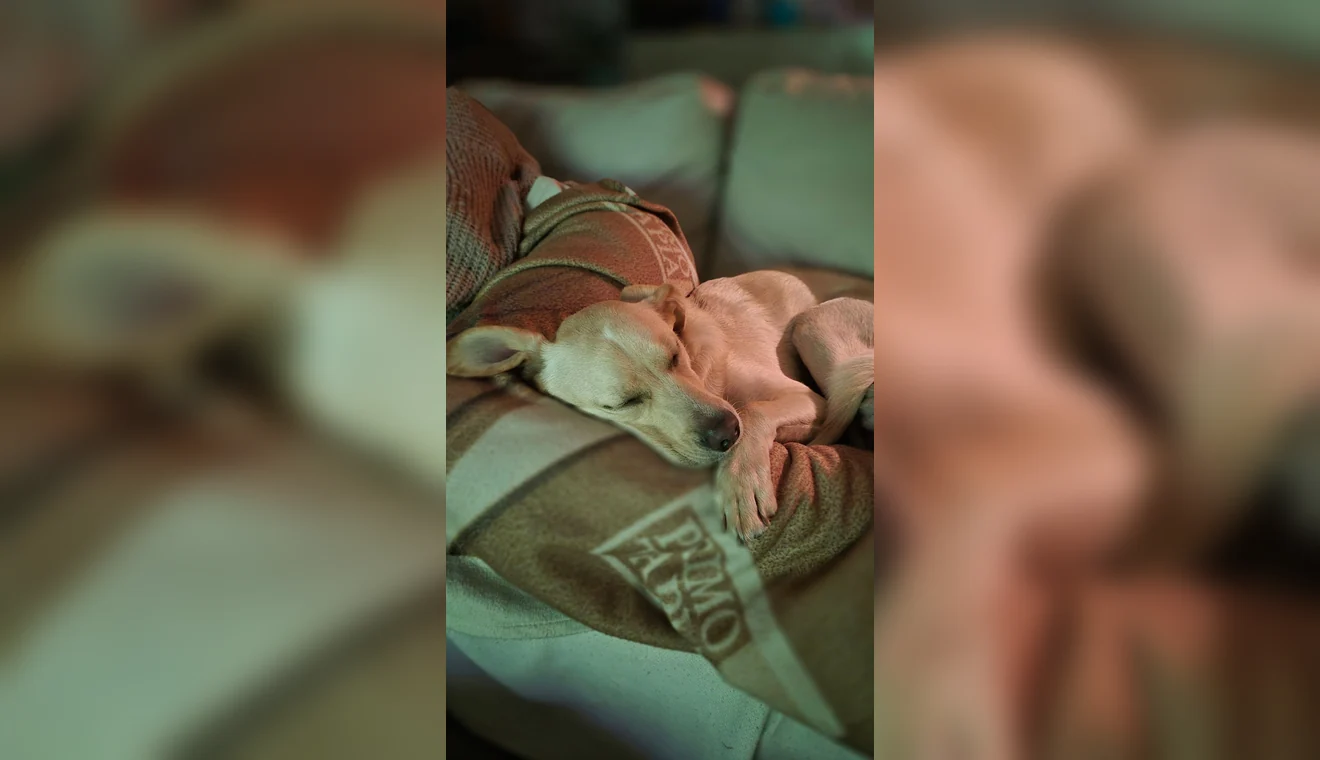
Thunderstorm fear is a recognised form of noise sensitivity. It can become more severe when the animal repeatedly experiences storms without a plan, so a veterinary conversation is worthwhile even if the dog has always seemed fine between storms.
What thunder fear looks like
Dogs may pant, shake, flatten their ears, tuck their tail, refuse treats, freeze or try to run away. Others bark, cling to people or scratch at doors. Watch the animal rather than relying on a single sign: panting could mean heat or pain in another context. Some dogs hide quietly and appear far less dramatic than those who pace around the house.
PDSA describes thunderstorms among common noise phobias. A new or sudden fear, particularly in an older dog, deserves a check for pain or illness rather than being labelled bad behaviour.
Prepare before the forecast storm
Check the forecast and make a quiet indoor place available before the weather arrives. Choose somewhere your dog already likes, away from large windows if possible. A bed behind a sofa or a covered crate can work, but only if the dog chooses to use it. Provide drinking water, familiar bedding and a safe route out.
Close curtains to reduce flashes and put on steady background sound at a comfortable volume. PDSA recommends shielding dogs from noise and light where practical. Don't suddenly shut an anxious dog in a room it has never used.
During the thunder: what to do
Let your dog decide whether to hide, remain beside you or move around a safe space. Speak naturally and offer gentle contact if it seeks it. You do not need to ignore a terrified animal. Avoid shouting, pulling it from under furniture or attempting an obedience drill during a loud crack of thunder.
Keep entrances and garden gates secure, because frightened dogs may bolt. If your dog isn't comfortable taking food, do not push treats under its nose. You can offer a chew or quiet play when it remains relaxed enough to enjoy it.
Can you take your dog for a walk during a storm?
It's best to exercise and toilet your dog before expected thunder, then keep it indoors while a storm is active. Don't force it through a noisy outdoor trip to maintain the ordinary schedule. If a short essential toilet break is unavoidable, keep the dog securely managed and return inside quickly.
PDSA cautions against walking dogs during forecast storms or other loud-noise events. A nervous dog may slip a collar or pull suddenly, so check its identification and make sure the garden and doors are secure.
Training is for calm days, not the middle of the storm
Desensitisation and counterconditioning involve introducing sounds at a very low level and pairing them with pleasant experiences. Increase intensity only while the dog remains relaxed. If it shows fear, go back to an easier level. This approach can take weeks or months and is best planned with a veterinary professional or accredited behaviourist.
Recorded thunder is not identical to a real storm with flashes and environmental changes. Don't play storm sounds loudly to 'get it used to them': forcing exposure, sometimes called flooding, may make fear worse.
What about calming products or medication?
A pheromone product or another comfort measure may help some dogs, but effects vary. Strong fear may require veterinary-prescribed behaviour medication used as part of a broader plan. Do not give human sedatives, alcohol, herbal mixtures or leftover medicines. If your dog regularly panics, arrange advice well before the next storm.
A vet may check for pain, assess severity and refer you to a qualified behaviourist. Good treatment aims to reduce distress, not just stop visible shaking while the animal remains frightened.
Thunder versus fireworks
Both involve sudden loud sounds, but storms may also include wind, rain, lightning and changes in air pressure. The practical safe-space principles overlap. Our dog scared of fireworks guide covers preparing for predictable seasonal firework events. Thunderstorms often require a flexible plan because their timing and intensity can change.
Don't assume a dog who tolerates fireworks will be comfortable with thunder, or the reverse. Watch the actual response to each trigger and keep a record of what helps.
When the behaviour changes suddenly
Pain, hearing changes or an underlying condition can affect tolerance of noise. PDSA specifically recommends a veterinary health check when fear starts unexpectedly. Tell the practice whether your dog is restless between storms, has become reluctant to move, or pants at other times. Our dog excessive panting guide helps separate fearful panting from signs of overheating or medical distress.
Severe attempts to escape can cause injury. A dog damaging doors, injuring itself or becoming impossible to settle needs professional support rather than another storm endured alone.
What should you avoid?
Don't punish barking or accidents, restrain the dog to make it watch lightning, or put it outside to learn that thunder is harmless. Avoid leaving a highly fearful dog alone where it may injure itself. A crate is not automatically a safe option if the dog panics inside it.
Don't make confident claims that a compression wrap, music playlist or supplement will solve every case. Individual reactions vary. Choose approaches that the dog accepts willingly, and reassess if fear continues.
Keep a simple storm diary
Record the forecast, duration, signs of fear, any measures you tried and how long the dog took to settle. That record can help a vet understand whether the phobia is worsening and what training or medication is appropriate. The aim is to make future storms easier, not to monitor every breath anxiously.
The practical starting point is a secure home, a place to retreat, reassurance when wanted and a planned veterinary discussion for persistent fear. Your dog doesn't need to become brave during the next storm; it needs to feel safer.
Research and further reading
- PDSA: Noise phobias in dogs — thunderstorm fear, safe hiding places and structured treatment.
- PDSA: Fireworks and pets — household preparations that also apply to sudden loud events.