Dog Separation Anxiety Symptoms: How to Recognise Distress and Start Helping
A dog can be perfectly relaxed when you're home and deeply distressed after the front door closes. That does not mean they're being stubborn or trying to punish you. The tricky part is that the worst moments may happen when nobody is there to see them.
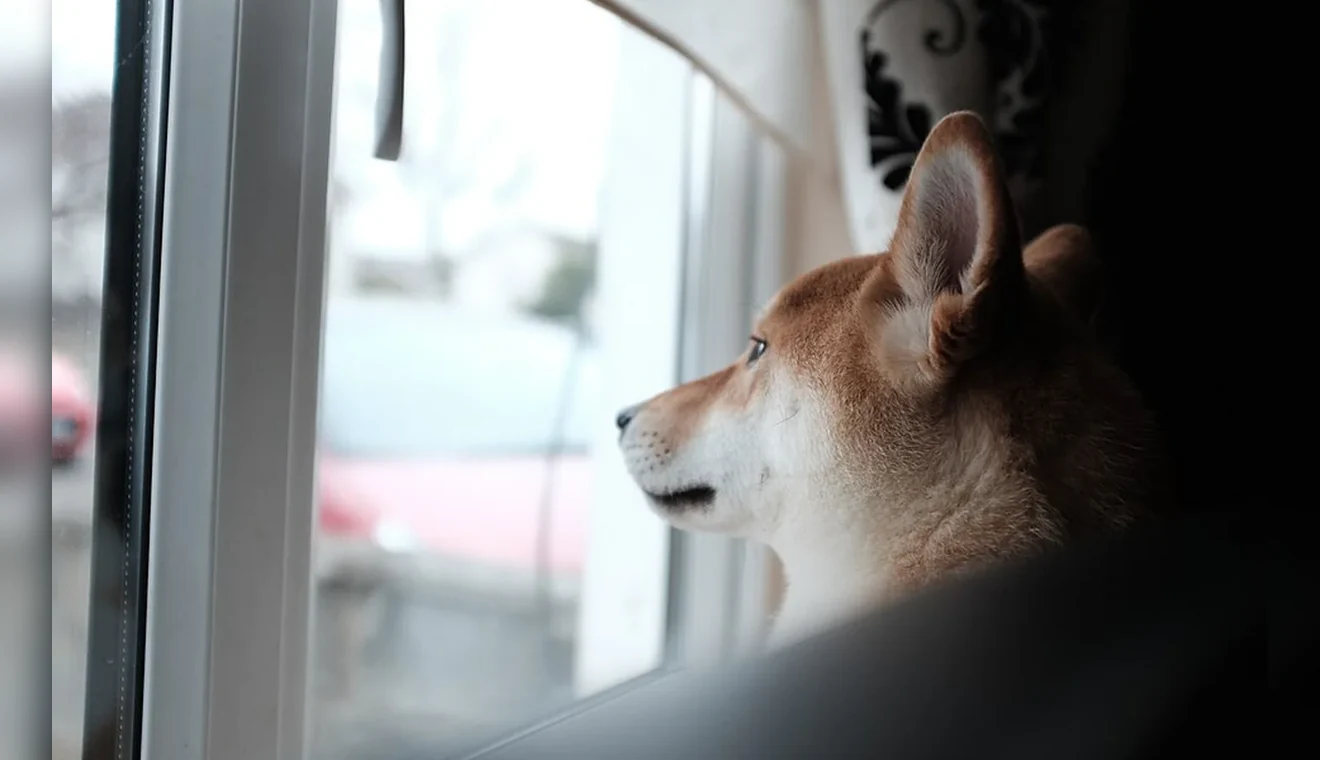
Separation-related problems have different causes. Some dogs panic when left alone; others struggle with frustration, particular noises or the loss of a routine. A sensible plan starts by finding out what actually happens rather than assuming every chewed cushion proves anxiety.
If you've just adopted an adult dog, our rescue dog preparation and settling-in checklist covers slow introductions and safe early routines.
What does separation anxiety look like in dogs?
Watch for barking, howling, pacing, panting, drooling, trembling, toileting indoors, attempts to escape or repeated scratching at doors. Some dogs chew furniture or objects near an exit. Others become very quiet, freeze or stop interacting with toys.
The timing tells you a great deal. Does the behaviour begin as soon as you pick up your keys, within minutes of leaving, or only after a longer absence? Does it happen when one particular person leaves but someone else stays home?
A dog who sleeps calmly during a short absence but becomes noisy when a delivery van arrives may have a different problem from a dog who begins howling immediately.
Use a camera to learn what happens
Set up a safe camera view of the area where your dog usually stays. You don't need complicated equipment. Record a short absence, then review the first few minutes as well as what happens later.
Look beyond barking. Check for frantic movement, inability to settle, repeated trips to the exit and attempts to break out. Also note if your dog accepts food and engages with a toy. Some dogs in genuine distress ignore even their favourite treats.
If you see a dog injuring themselves, chewing hazardous items or becoming panicked, do not repeat the exercise simply to collect more evidence. Arrange support and use care or supervision so the dog is not repeatedly overwhelmed.
Could the problem be something else?
Sudden house-soiling, nighttime restlessness or unusual vocalisation can have medical causes, especially in older dogs. Pain, digestive illness, cognitive changes and urinary problems may alter how a dog behaves alone.
A pet that has never struggled before but abruptly cannot tolerate separation should have a veterinary assessment. The same applies when licking, vomiting or repeated toileting accompanies the distress.
It is possible for boredom, under-stimulation and anxiety to overlap. Yet giving a panicked dog an extra chew will not solve the underlying problem.
What to do while you arrange a training plan
The first aim is to avoid repeated episodes of severe distress. That may mean arranging a trusted sitter, adjusting work hours or having a friend stay with the dog temporarily. If daycare is stressful for your dog, it may not be the right solution either.
Keep departures and returns calm and predictable. Provide comfortable resting places, access to water and appropriate temperature. Do not confine a dog in a crate if they panic in confinement or attempt to escape.
Punishment after you return is especially unhelpful. Your dog cannot connect that reaction with behaviour that happened earlier, and it can make the homecoming itself frightening.
Begin with absences the dog can cope with
For a mild problem, the starting point might be standing up and sitting down again. For another dog, it could be walking to the door, touching the handle, stepping outside for one second or moving to another room.
Choose a step that does not trigger panic. Return before the dog becomes distressed, reward calm behaviour and repeat enough to make the exercise unremarkable. Progress in small increments only while the dog remains comfortable.
This is not a timed challenge. There is no prize for getting from thirty seconds to thirty minutes in a week. If the dog begins pacing or vocalising, the previous step was too difficult and needs adjustment.
Make daily life more predictable
A regular rhythm of meals, rest, walks and quiet time may help. Build independence in ordinary moments: allow the dog to settle on a mat while you move around the room, and gently reinforce calm, voluntary relaxation.
Dogs still need company, social interaction, suitable exercise and opportunities to sniff and explore. An under-exercised dog can have extra energy, but exhausting a frightened dog is not a treatment.
If you have a puppy, start with easy, age-appropriate practice rather than waiting for a problem to develop. Our puppy exercise guide explains why mental stimulation and rest matter as much as long walks.
What to write down from a separation video
A short recording is more useful when it answers a specific question. Note how long your dog was alone, what happened just before you left, and the first point at which their behaviour changed.
A dog that chews an old cardboard toy happily for a few minutes and settles may not have the same problem as a dog that paces, pants and cries from the moment the door closes. But a single clip cannot diagnose separation anxiety either.
Record whether the dog eats or ignores a favourite safe food toy, moves repeatedly to the door, scratches frantically or stays distressed throughout the absence. Share this evidence with your vet or qualified behaviourist rather than posting it online for strangers to diagnose.
What to do about long workday absences
A dog in severe distress cannot be taught to cope by being left for hours while you are at work. Arrange a trusted sitter, suitable family help or another practical supervision option while training progresses.
The plan needs to fit the dog, not the clock. If the dog can manage only seconds of separation calmly, start there. Build confidence below the level that triggers panic; setbacks mean the exercise needs to be easier, not that the dog is being stubborn.
When to involve a behaviour professional
A vet can assess health issues and may recommend an Animal Behaviour and Training Council-registered behaviourist or another appropriately qualified professional. For severe cases, a combination of structured behaviour modification and medication may be considered.
Look for reward-based methods and an individual plan. Advice to leave a distressed dog crying for hours, use a punishment collar or suddenly increase absences can make things worse.
Bring your camera observations, daily schedule and history of the behaviour to the appointment. Details about household changes, rehoming, recent illness and the dog's tolerance of specific people may affect the plan.
What progress really looks like
Improvement may first mean that your dog can watch you move to the kitchen without following, or relax while you step outside for a few seconds. Those changes are real even if a full working day alone remains unrealistic.
Expect occasional setbacks after illness, moving house or changes in routine. Shorten exercises when circumstances become difficult, and protect the dog from long periods of distress in the meantime.
The goal is not silence at any cost; it is a dog who genuinely feels safe when the people they depend on are temporarily out of sight.
Common questions
Does getting another dog fix separation anxiety?
Not reliably. Some dogs are distressed by being alone; others are distressed specifically by being separated from a person. A second dog may not help and introduces another animal's needs.
Should I ignore my dog when I come home?
You can greet your dog calmly. There is no need to withhold affection as a punishment. The focus should be reducing distress before and during departures.
Can an adult rescue dog learn to stay alone?
Yes, many can improve, though their previous experiences and current stress level affect the pace. Start where the individual dog is comfortable rather than following an arbitrary schedule.