Adopting a Rescue Dog Checklist: Before Collection and the First Weeks
Adopting a rescue dog is exciting, but it can be overwhelming for the animal. A dog that has lived in kennels or experienced major changes may need quiet routines and plenty of choice before feeling comfortable. Prepare a secure home, ask the rescue about the dog's individual needs and avoid rushing introductions or busy walks.
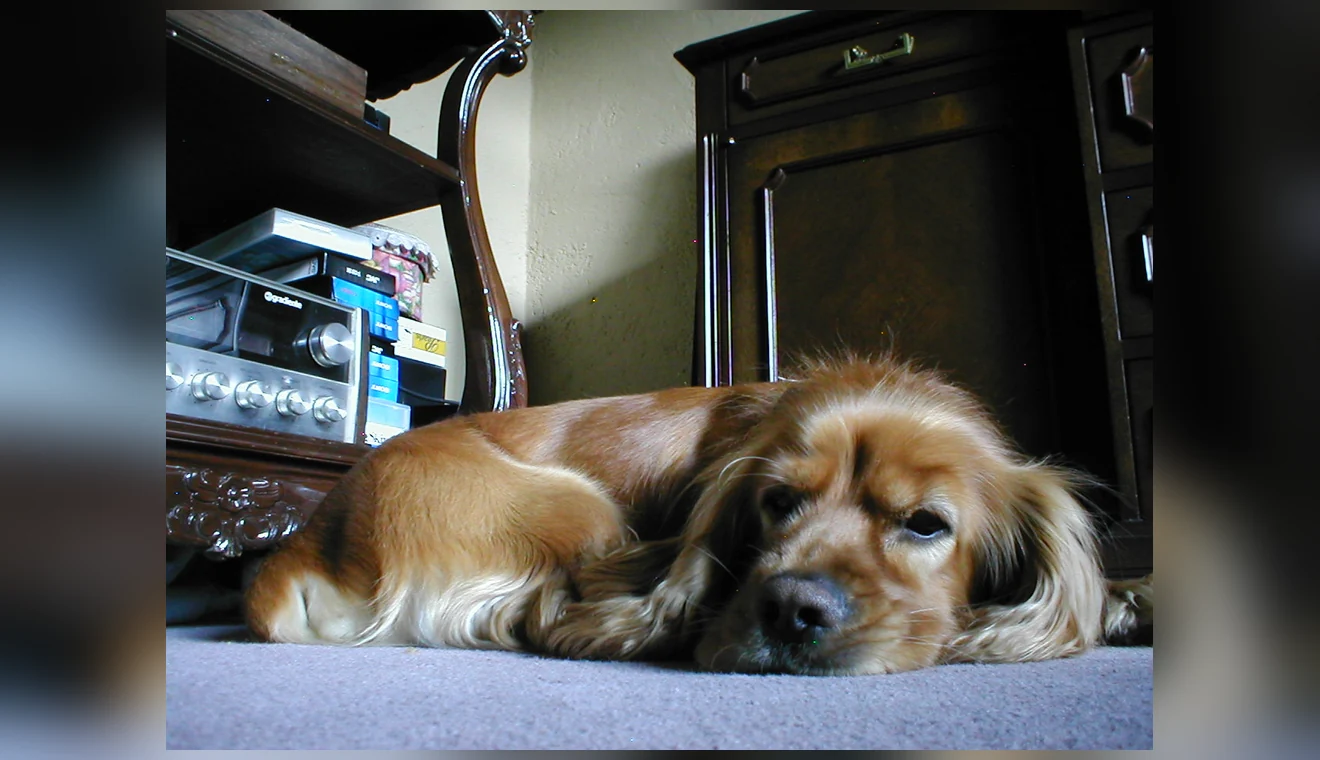
Dogs Trust and RSPCA both advise allowing a rescue dog to settle at its own pace. You don't need to turn the first week into a round of family visits, training classes and trips to the pub to prove that the dog has a happy new life.
Before applying: check the match
Think about how many hours the dog would be alone, whether you have a secure outdoor area, the activity you can realistically provide and whether children or other animals live in the home. A rescue organisation should help you understand which dog fits those circumstances.
Dogs Trust describes its matching process as looking at the individual dog's needs rather than assigning every applicant their first choice. Be honest about your routine and limitations; it's better to wait for a compatible match than discover you've adopted an animal with needs you cannot meet.
Questions to ask the rescue centre
Ask what the dog eats, how it responds to strangers, whether it can be left alone, what it knows about walking on a lead, how it behaves around other dogs and whether there are known medical issues. Ask which situations make it nervous and what helps it settle.
Find out what the rescue knows and what remains uncertain. Some animals have incomplete histories, and nobody can predict every reaction in a new home. Dogs Trust encourages continuing contact and support after adoption when unexpected behaviour appears.
Check health records and ongoing treatment
Request copies of vaccinations, parasite treatment, neutering status, microchip details, medication and relevant veterinary history. If the dog has chronic illness or a special diet, ask who will provide treatment and how to continue it without interruption.
Our pet microchip law UK guide explains updating keeper details. Confirm that the database transfer is complete, not merely that the chip exists. Register with a veterinary practice before an urgent need arises.
What should you buy before collection?
Prepare a suitable bed, familiar blanket if available, food and water bowls, an appropriate complete diet, secure collar and harness, lead, identification tag, poo bags and cleaning supplies. A few safe toys and feeding puzzles can be useful, but don't fill the house with new objects before you know the dog's preferences.
Dogs Trust recommends arranging quiet resting areas and checking for hazards such as medicines, exposed wires and toxic foods. Our dog enrichment ideas guide provides simple activities that don't depend on an expensive collection of gadgets.
Make one room feel safe
Choose an area away from the busiest part of the house where the dog can rest undisturbed. Provide a comfortable bed and water, and allow the dog to enter and leave safely if appropriate. Children should understand that the resting place is not an invitation to touch a sleeping animal.
A new dog may spend much of its first day watching the household rather than seeking attention. Dogs Trust recommends allowing that choice. Don't drag it out from under furniture or crowd it with cameras and strangers.
Plan the journey home
Use an appropriate harness, carrier, travel crate or vehicle restraint depending on the dog's size and requirements. Keep the journey calm and plan a safe toilet stop where necessary. Avoid taking the dog directly to a busy park or shop on collection day.
RSPCA's rescue-dog guide suggests allowing the dog to toilet before entering its new home and keeping familiar bedding available. If the dog is carsick, discuss suitable support with the rescue and vet rather than giving unprescribed human medicines.
The first day: do less
Show the dog its toileting area and a quiet room, provide drinking water and offer the familiar food according to its usual schedule. Let it sniff and explore without pressure. Keep doors and gates secure, particularly while the dog doesn't yet know the property.
Don't schedule a welcome party. Dogs Trust advises limiting visitors and avoiding forced interaction at first. A frightened animal may look uncooperative, but fear and unfamiliarity are not defiance.
The first few nights
Some rescue dogs sleep well immediately; others pace, whine or struggle to settle. A comfortable resting area near you may help depending on the dog's needs, and the rescue should explain any existing behaviour plan. Avoid suddenly isolating an anxious dog because you believe it must 'learn who's boss'.
Our dog separation anxiety symptoms guide may help identify anxiety behaviours, but a newly adopted animal deserves individual assessment rather than a generic timetable for leaving it alone. Seek advice from the rescue or vet when distress is significant.
Keep walks short and familiar
It's tempting to show the new dog your favourite countryside trails at once. Dogs Trust recommends short walks on predictable routes initially, giving the animal time to learn the surroundings. Check the safety of its harness or collar before opening the door.
Watch for fear around traffic, barking dogs or children. Increase challenges gradually, rather than assuming every dog benefits from being taken everywhere. Our dog barking at strangers guide covers managing fear and distance when unfamiliar people make outings overwhelming.
Introduce household pets carefully
Do not put the rescue dog straight into a room with resident cats, rabbits or other animals. Use secure separation and gradual introductions. Some dogs may have a strong chasing instinct, and a history of being 'fine with cats' elsewhere doesn't guarantee immediate safety in a new home.
Our introducing a cat to a dog guide explains scent exchange, barriers and supervised introductions. For resident dogs, seek guidance from the rescue on safe neutral-ground meetings and how to manage shared resources.
Feeding and toileting routines
Keep the familiar food initially unless a vet recommends a change. Set predictable meal and toilet times, provide fresh water and monitor appetite. Stress may affect digestion temporarily, but repeated vomiting, diarrhoea or refusal to eat should not automatically be dismissed as a settling issue.
Our dog food transition guide explains how to introduce a new appropriate diet gradually. If accidents happen indoors, clean calmly and adjust outdoor opportunities instead of punishing the dog for not understanding a new routine.
Children's boundaries are essential
A child may want to hug or sleep beside the new dog, particularly if it looks lonely. Teach children to leave resting and eating animals alone, never take objects from the dog's mouth and ask an adult before approaching. Supervise interactions directly.
A dog that freezes, turns away, growls or tries to leave is communicating discomfort. Don't punish those signals. Step in and provide space. Our dog resource guarding guide explains safe management around valuable food and toys.
What if the dog seems different from its kennel behaviour?
Kennels and homes are very different environments. A dog may be quieter during assessment but become more vocal after settling, or it may feel comfortable enough to show behaviour that wasn't obvious initially. This is a reason for patient support, not proof the rescue deliberately misled you.
Keep a brief settling-in record of appetite, sleep, triggers and progress. Dogs Trust recommends a diary during the early months. Share concerns with the rescue rather than waiting until a behaviour becomes difficult to manage.
Budget beyond the adoption fee
Consider food, insurance, parasite protection, vaccinations, routine vet care, equipment replacement, grooming and unexpected treatment. The adoption fee is only the beginning of lifelong responsibility. Our cost of owning a dog UK guide sets out the budget items and PDSA's published minimum estimates.
Ask how any existing health condition may affect insurance coverage before switching or buying a policy. A cheap premium that excludes the condition your dog already has may not offer the protection you expect.
A first-month plan that is achievable
Spend the first days providing safety, rest and predictable meals. Gradually introduce familiar quiet routes, short training sessions and appropriate new people only as the dog becomes comfortable. Arrange the vet registration and any necessary health review.
Do not measure success by how many tricks the dog knows after a week. Safe sleep, normal eating and choosing to approach family members are meaningful early milestones.
When to ask for extra support
Contact the rescue, vet or suitably qualified behaviourist if the dog is persistently frightened, aggressive, unable to settle, refusing food or struggling with interactions. Serious health problems, collapse or breathing difficulty require urgent veterinary care rather than more settling time.
Adoption is a long-term relationship. It is reasonable to ask for help when an animal with an unknown history behaves differently than expected.
The practical takeaway
Prepare the house and supplies before collection, protect the dog's quiet spaces, update its records and let it settle without pressure. Keep routines simple and introductions gradual. A successful rescue adoption begins with safety and patience, not a busy timetable.
Sources and further reading
- Dogs Trust: Helping a rescue dog settle at home — home preparation and first weeks.
- Dogs Trust: How to adopt a dog — matching and support during adoption.
- RSPCA: Getting ready for your rescue dog (PDF) — collection, transport and settling in.