Dog Barking at Strangers: Help Them Feel Safer
A dog barking at strangers may be sounding an alarm, asking for distance, expressing frustration or simply reacting to something unfamiliar. The important question is what the dog is feeling and what happens immediately before the barking, not how quickly you can make the sound stop. The right plan keeps people safe, increases distance from triggers and rewards calm choices.
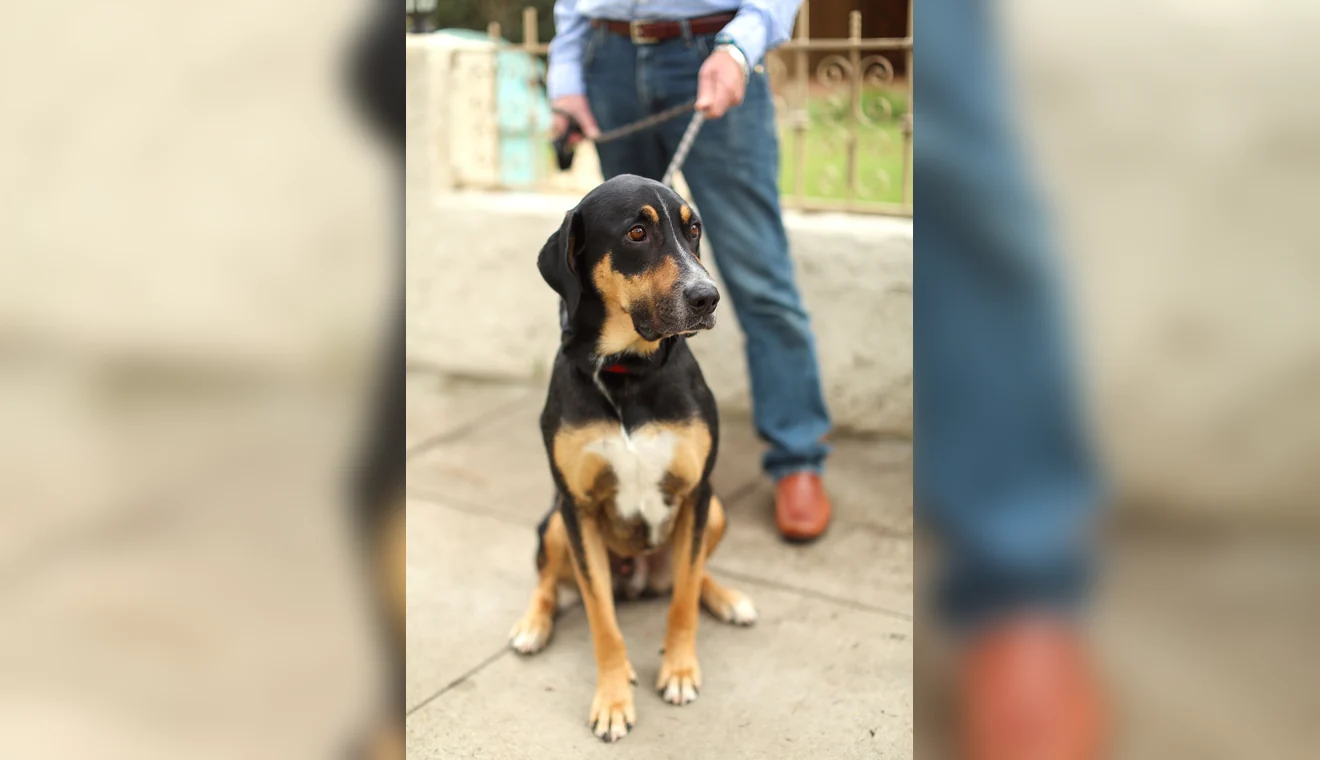
If the dog lunges, snaps or has bitten, do not practise greetings with strangers. Arrange support from your vet and a suitably qualified, reward-based behaviourist. A frightened dog needs protection, not a lesson in confronting its fear.
Why does my dog bark at unfamiliar people?
Strangers vary enormously from a dog's perspective. Someone in a hat, carrying a bag, using a walking stick or approaching quickly may look different from familiar people. Some dogs are wary of the unknown; others feel excited but cannot reach the person, which produces frustration. Dogs Trust describes fear, frustration and learned responses as possible explanations. Avoid assuming barking means a dog is 'protecting' you or displaying dominance.
Read body language before deciding what to do
A loose body, soft eyes and wagging movement can accompany excitement, while a tucked tail, low posture, freezing, stiff stare or repeated lip-licking suggest discomfort. Barking alone does not distinguish them. Observe from far enough away that you can see the whole dog, rather than leaning over its head. If a dog's body stiffens or it refuses food, give it more distance immediately. Do not force a meeting to test its temperament.
First priority: create enough distance
Cross the road, turn into a quieter path or step behind a parked vehicle where safe. A dog can learn when it is below its fear or excitement threshold; repeated close encounters that result in lunging are less helpful. Use a properly fitted lead and harness, checking both before going outside. Avoid retractable leads where you need reliable close control near pedestrians. Our Loose Lead Dog Walking Guide covers calm lead skills separately.
What should you do during a barking episode?
Stay calm and increase space without yanking the lead. If your dog can respond, call it away and reward moving with you. If it is already barking intensely, prioritise moving to a quieter spot, even if training has to wait. Do not shout over the dog, jerk its collar or hold it near the stranger until it stops. The goal in that moment is safety and recovery, not obedience under extreme stress.
Reward the moment your dog notices someone calmly
Begin at a distance where your dog sees a person but can still relax and take a treat. Mark that calm observation with a small reward. You may reward turning back to you, sniffing the ground or simply looking without stiffening. Repeat several times at the easy distance. Over future sessions, shorten the distance only if the dog remains comfortable. If barking starts, the practice was too difficult; move farther away next time.
Don't use treats to lure a dog into a scary situation
A tasty reward can create a positive association, but dangling it directly in front of a stranger may tempt a frightened dog to approach beyond its comfort level. It might take food and then panic once the person is near. Instead, deliver rewards at a comfortable distance and let the dog choose to remain farther away. Ask other people not to offer food from their hands unless a qualified behaviour professional has designed that exercise.
Teach a predictable 'let's go' turn
Practise a cheerful turn and walk away in your garden or quiet area. Say a short cue, pivot gently, then reward your dog for accompanying you. Repeat until the movement becomes easy before using it around other people. This is not a punishment or an admission of defeat. It gives you an uncomplicated escape option if a pedestrian suddenly appears in a narrow lane or somebody asks to say hello.
What about dogs who bark at people through windows?
Window barking may be reinforced when the person walks past and disappears, leaving the dog believing its alarm worked. Move resting places away from the view, use suitable privacy film if appropriate and reduce unsupervised rehearsal. Reward settling elsewhere when someone passes at a distance. Don't tape the dog's mouth, use shock devices or shout through the glass.
How should visitors behave?
Tell guests in advance that your dog needs space. They should avoid leaning over, staring directly, reaching out or trying to win the dog over. Provide a safe separate room before opening the door if necessary, with water and something enjoyable. For dogs showing threatening behaviour towards visitors, seek qualified advice before introductions. Dogs Trust advises allowing the dog to retreat rather than making it 'face its fear'.
Is socialisation the same as making dogs greet strangers?
No. A well-socialised dog can be comfortable not interacting with unfamiliar people. Calmly watching somebody walk by can be a successful social experience. Forcing physical contact may make a worried dog more fearful. With puppies, suitable exposure should be gradual and rewarding, never overwhelming. Our Puppy Socialisation Guide explains how to build confidence without expecting every human to pet the dog.
Can a rescue dog get better?
Yes, many dogs improve with a predictable environment and carefully planned training, but progress varies. A history of fearful reactions does not mean the dog is beyond help. It does mean rushing greetings can be counterproductive. Begin with quiet routes and a stable routine, then build positive experiences at distances the dog chooses. If the dog remains highly stressed or has a bite history, obtain veterinary and behaviour support from the outset.
Should you let strangers stroke your dog?
Not when the dog is barking, retreating or stiff. You can politely say, 'No thanks, we're training,' without explaining the whole problem. Even an excitable dog might jump, mouth or knock someone over. Reward a calm pass-by instead. If your dog enjoys contact and is genuinely relaxed, keep interactions brief and allow it to move away. Consent and choice matter more than the number of people your dog meets.
Are bark collars a good solution?
Devices that punish barking may suppress the noise without improving the dog's feelings about people. They can also introduce pain or fear into an already difficult situation. Avoid electronic shock collars, sprays and other aversive equipment. Rewards and environmental management are safer starting points. If the dog vocalises more after a particular event or shows new aggression, book a veterinary assessment to rule out pain and other contributing problems.
When to involve a behaviour professional
Seek help if your dog cannot settle even at substantial distances, guards you from approaching people, lunges repeatedly or makes contact with teeth. A professional should work at the dog's pace and create a realistic safety plan. Your vet can also consider whether a medical issue or anxiety treatment needs attention. For dogs guarding family members, read Dog Resource Guarding rather than treating every bark as the same behaviour.
How to judge progress
Measure how quickly your dog recovers after seeing a person, how often it can look and disengage, and whether you can walk without rehearsing lunging. Progress may be uneven. A good week followed by one difficult encounter does not erase previous learning. Make brief notes of distance, location, body language and rewards, then adjust the next practice session. Don't create a challenge simply to see whether the dog is 'cured'.
A sensible two-week starting plan
For the first few days choose quiet routes and prevent close stranger greetings. Practise your exit cue at home and reward calm observation from a generous distance outdoors. Keep sessions short and finish while the dog is comfortable. Review the dog's response rather than setting an arbitrary deadline to walk through crowds. The aim is a dog that feels safer and an owner who can manage surprises calmly.
Research and further reading
- Dogs Trust: aggression towards visitors — fear, distance, safety and positive associations.
- Dogs Trust: positive reinforcement — choosing rewards and avoiding accidental reinforcement.
- Dogs Trust: resource guarding — when barking includes guarding people or valued areas.