Guinea Pig Cage Size UK: How Much Space Do Two Guinea Pigs Need?
Many cages sold for guinea pigs are surprisingly small. A pair may be able to turn around in one, but that doesn't mean they have room to run, forage and avoid one another when they need space. For two female guinea pigs or a compatible neutered male-and-female pair, Blue Cross recommends a main living area of at least 5ft by 2ft (about 153 × 61cm), plus a separate exercise run. More room is better.
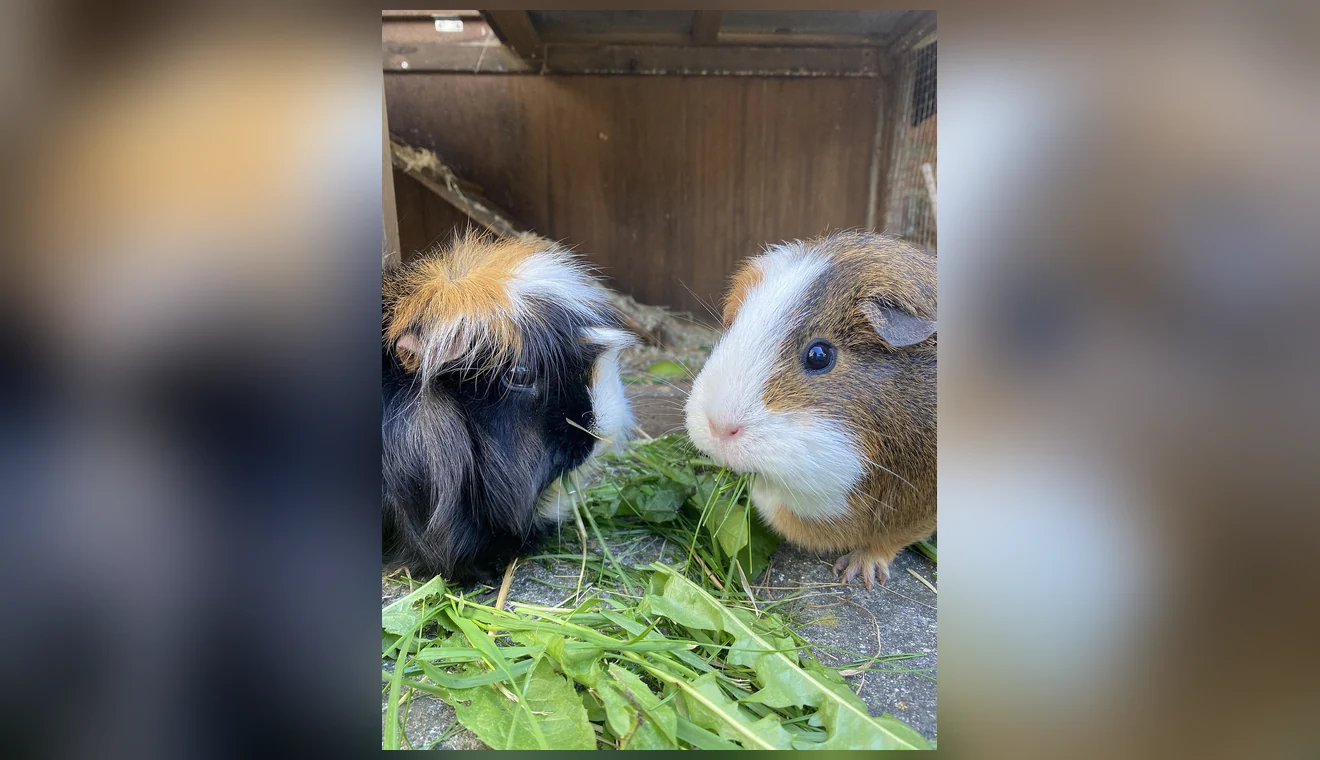
A pair of males needs more generous accommodation: at least 6ft by 2ft for their main area according to Woodgreen, again with exercise space. Where animals live indoors without a separate run, Blue Cross recommends at least 6ft by 4ft (around 183 × 122cm) as their living space. These are practical welfare recommendations, not a claim that every smaller cage is automatically illegal in a private home.
Guinea pig cage sizes at a glance
| Living arrangement | Suggested minimum usable space |
|---|---|
| Two females or neutered mixed-sex pair, with separate run | 5ft × 2ft main living area |
| Two males, with separate run | 6ft × 2ft main living area |
| Three guinea pigs, with separate run | At least 6ft × 2ft main living area |
| Permanent indoor home without separate run | At least 6ft × 4ft on one level |
| Additional exercise run | Around 6ft × 4ft or larger |
These figures reflect the guidance from Blue Cross and Woodgreen, not a universal legal standard. The best setup allows several animals to move around without forcing one another through narrow spaces.
Why floor area matters more than cage height
Guinea pigs are ground-dwelling animals, not accomplished climbers. A tall cage with shelves doesn't replace enough uninterrupted floor space. They need to dart between shelters, graze, explore and perform their occasional excited jumps without falling from heights.
Measure the usable floor itself, excluding large fixtures that permanently block movement. A two-tier cage may look enormous on a product listing but still offer very little room on either level. Our guinea pig enrichment guide covers why tunnels and movement space need to work together.
Does the number or sex of guinea pigs change the size?
Yes. Guinea pigs are social and generally should not live alone, but even bonded pairs need personal space. A pair of males may need more room because some males dispute territory more readily. The quality of a pairing, available hides and access to food all matter alongside the dimensions.
For larger groups, increase the space rather than assuming the same 5ft by 2ft cage will remain adequate. Our guinea pig sounds guide explains some ordinary vocal behaviour; constant chasing, blocking or biting is a different concern.
Indoor housing: choosing a useful layout
Modular C&C-style grids with a safe solid base can create a generous rectangular area. Playpen-style arrangements may work too, provided the walls, flooring and doors keep pets secure. Check that bars or grid openings cannot trap heads or feet, and that other household animals cannot reach through the sides.
Place the home somewhere ventilated but free of draughts and direct heat. Guinea pigs are vulnerable to overheating. Make sure you can reach every corner for cleaning and examination without constantly dismantling the setup.
A separate run isn't an optional luxury
Blue Cross recommends a separate exercise run of at least 6ft by 4ft where the main accommodation is smaller. Outdoor runs must be secure from predators and provide shelter, shade and access to water. Indoor runs must be protected from electrical cables and other hazards.
A few minutes loose on the sofa doesn't replace proper exercise. Where a household cannot offer an additional run, use the larger 6ft by 4ft permanent indoor living area as the planning baseline rather than hoping the animals will spend time outside it.
What should go inside the cage?
Provide a suitable supply of hay, fresh water, accessible feeding areas and several hides with at least two exits when practical. Add safe tunnels, chew material and areas where each guinea pig can rest without being disturbed. Keep the central walking area reasonably clear.
A large cage packed with bulky ornaments can become effectively small again. Our guinea pig bedding guide compares absorbent floor materials and cleaning routines. Avoid rough wire flooring and damp bedding that could injure or irritate feet.
How many hides and feeding points?
A useful rule is more shelters than animals, positioned so one guinea pig cannot guard every entrance. For two animals, offer multiple independent hay and feeding spots if competition occurs. Guinea pigs may prefer eating in the same general area but should be able to retreat when interactions become tense.
Watch what actually happens, particularly at dawn and dusk. A quiet animal losing weight or hiding constantly may be having trouble accessing food despite appearing 'bonded' in photographs. Ask a vet about any decline in appetite or weight.
Can a hutch provide enough space outdoors?
A small wooden hutch alone is rarely a complete home. Blue Cross stresses that outdoor housing should include substantial safe exercise space. Weatherproofing, predator security and temperature management are important in the UK, especially during summer heatwaves and winter cold snaps.
Never place a hutch in direct summer sun without shade or assume a tiny nesting box keeps animals safe in freezing weather. If they move indoors for winter, make the transition thoughtfully rather than repeatedly shifting them between extreme temperatures.
How to measure a commercial cage correctly
Retail descriptions may list external dimensions, including roof overhangs or accessories. Measure the interior usable length and width. Convert centimetres rather than guessing from photos: 5ft is about 152cm and 2ft about 61cm. A 120cm by 60cm cage has only 0.72 square metres of floor area, smaller than a 5ft by 2ft main living area.
A label saying 'large rabbit and guinea pig cage' is marketing, not proof that it meets welfare guidance. Ask the seller for interior measurements before buying.
Why aren't shop or research minimums a good target?
Rules for licensed animal-selling premises or scientific facilities serve different purposes from long-term pet welfare recommendations. A low minimum written into a licensing table should not be treated as an ideal lifelong home for a social pair of guinea pigs.
For everyday owners, start with Blue Cross and Woodgreen guidance, then provide more room where possible. A spacious enclosure is useful only if its furnishings, temperature, security and social arrangements are suitable too.
If you already own a small cage
You don't necessarily need to throw everything away. Some commercial bases can be incorporated into a larger secure pen or connected enclosure without introducing dangerous narrow passages. Plan a flat, easy-to-clean area and ensure all animals can access hay, water and resting places at once.
If the home is too cramped to expand, reconsider whether keeping that number of guinea pigs there is sustainable. Welfare needs should shape equipment decisions rather than equipment defining what the animals must tolerate.
Choosing a setup that works long term
Measure floor space, decide whether a separate run is available, and plan for compatible companionship. Use at least 5ft by 2ft plus exercise space for an appropriate pair, more for males or larger groups, or at least 6ft by 4ft for permanent housing without a run. Provide safe flooring, several hides, food access and regular cleaning.
The best cage isn't the tallest or prettiest. It's the one that gives your guinea pigs room to live like guinea pigs.
Sources and further reading
- Blue Cross: Guinea pig care — indoor housing, main living areas and exercise runs.
- Woodgreen: How to house your guinea pigs — cage measurements for different groups and safe accommodation.
- Blue Cross: Choosing the right small pet — the difference between a housing area and full-time exercise space.