Guinea Pig Enrichment: Tunnels, Hay Games and Safe Ideas
A guinea pig doesn't need a miniature playground full of plastic gadgets. It needs somewhere to hide, room to move, good hay to forage through and opportunities to choose what happens next. Simple changes to its everyday home often provide far more useful enrichment than expensive novelty toys.
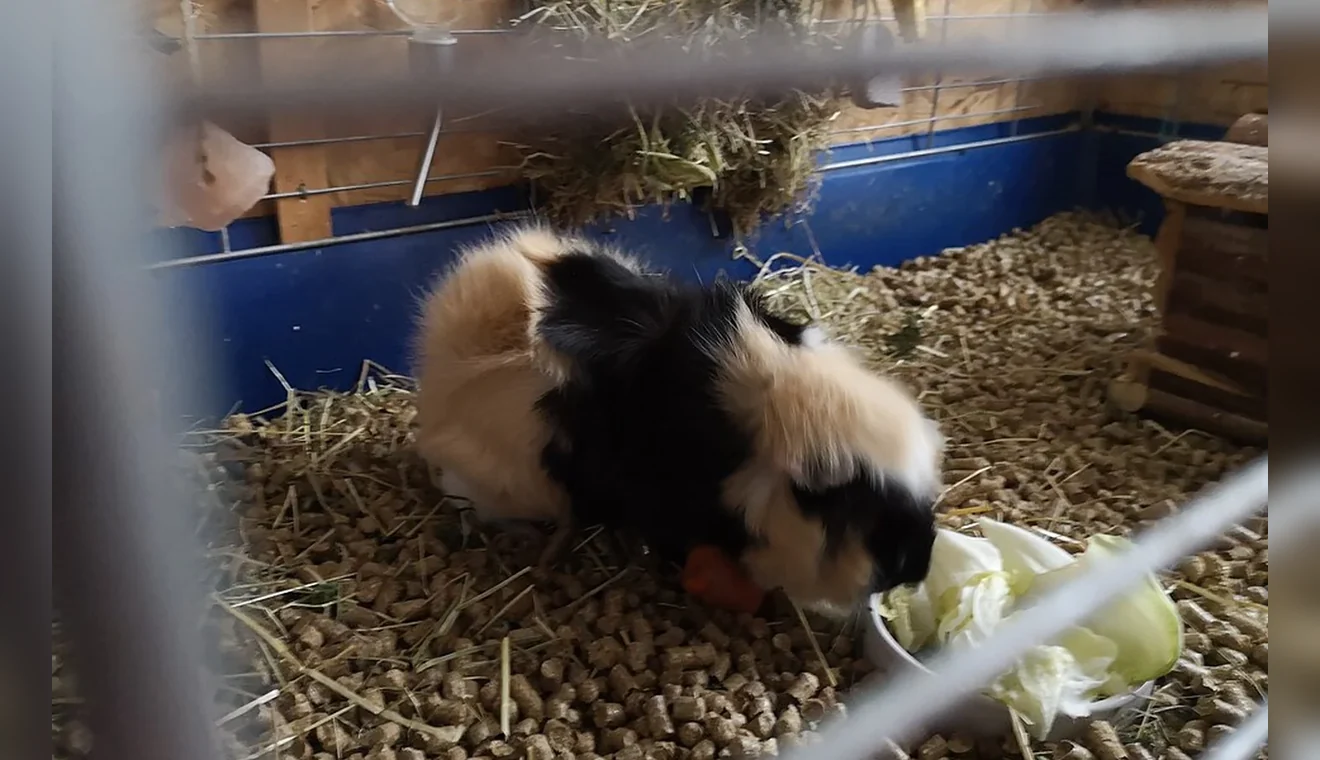
The best guinea pig enrichment supports hiding, foraging, exploring, gnawing and social contact. Use safe tunnels with more than one exit, scatter some of the normal food allowance, and give compatible guinea pigs enough space to get away from one another when they want to.
Start with the enclosure, not the toys
Guinea pigs are prey animals. They feel more secure when they can retreat beneath cover and travel between hiding places.
PDSA recommends spacious accommodation, overhead cover and suitable soft bedding. It notes that guinea pigs benefit from tubes, tunnels and a deep layer of soft dust-free hay for hiding and burrowing.
If the enclosure is already too small for the guinea pigs to run around comfortably, adding more toys makes the problem worse.
Our Guinea Pig Bedding Guide explains why clean dry flooring and comfortable resting areas matter alongside activities.
Guinea pigs need guinea pig company
Compatible guinea pigs offer social interaction that a cardboard tube cannot replace. They normally need suitable companionship from their own species.
Provide enough hides, hay piles and water positions so one animal cannot guard everything.
A bonded pair should be able to share space voluntarily but also have individual retreats.
Don't place unfamiliar animals together just to provide enrichment. Introductions require their own welfare plan and monitoring.
1. Make a cardboard tunnel with two openings
Choose a sturdy plain box and cut two large guinea-pig-sized entrances on different sides.
Remove staples, tape, plastic labels and loose glue before placing it in the run. Smooth any sharp cardboard edges.
Woodgreen recommends tunnels and cardboard hides with multiple entrances so a guinea pig cannot be trapped inside by another animal.
A simple tunnel gives a frightened guinea pig confidence to travel between open areas.
If the animal starts consuming large pieces of cardboard rather than chewing or exploring, remove the item.
2. Hide normal food in hay
Take a small portion of the regular daily pellet allowance and scatter it through clean hay or across several easy-to-reach areas.
Guinea pigs are natural foragers. Searching helps them spend time doing something they are equipped to do.
Keep unlimited clean grass hay available in normal feeding positions; don't make essential forage difficult to find.
Our Guinea Pig Diet and Vitamin C Guide explains balanced daily feeding and why fresh vegetables cannot replace hay.
Never add endless treats to every game. Count the food in the normal ration.
3. Try a forage paper bag
Woodgreen suggests filling a plain suitable paper bag with hay and safe dried or fresh forage.
Remove the handles so a guinea pig cannot become entangled, and avoid bags with heavy inks, glossy coatings or glue that may be chewed.
Leave the opening easy to reach and place it where the animals can investigate without competing for a single narrow entrance.
Check the contents and remove leftover fresh food before it spoils.
A paper bag is a short supervised activity, not a permanent sealed sleeping chamber.
4. Fill a cardboard tube with hay
A plain toilet-roll tube can make a low-cost foraging toy when filled loosely with hay.
Let some strands protrude so the guinea pig can pull them out without frustration.
Don't use tubes with sharp cut edges or packaging residues. Choose a size and arrangement that won't trap the animal's head or paws.
Mix a tiny amount of appropriate dried forage into the hay if suitable for the diet.
Remove wet or heavily chewed pieces when cleaning.
5. Offer safe branches to gnaw
Woodgreen lists suitable untreated apple and willow branches as examples of natural gnawing enrichment.
Use only wood positively identified as suitable, free from pesticides, paint, preservatives and contamination.
A branch from an unknown ornamental tree should not be given merely because it looks natural.
Check for dangerous splinters or loose pieces. Replace any item that becomes dirty or damaged.
Gnawing objects provide variety, but proper teeth wear still depends on a fibre-rich hay diet and veterinary care when needed.
6. Build a little hay-covered hide
Place an appropriate open-ended tunnel, low stool or stable bendy bridge in a safe part of the run.
Add a modest amount of clean hay around it so the animal can investigate, rest or eat beneath cover.
PDSA explains that overhead shelter is important because guinea pigs naturally seek protection from predators.
Choose structures without sharp wire or trapping gaps, and make sure they cannot tip.
A guinea pig should never need to cross the whole run without shelter if it feels frightened.
7. Grow a safe herb planter
Woodgreen suggests protected plant pots containing suitable edible herbs such as mint or lemon balm.
Keep the soil and plant roots inaccessible if the material or fertiliser is unsuitable. The guinea pigs should be able to nibble safe leaves without overturning the pot.
Only use plants you can identify confidently and that have not been treated with pesticides.
Introduce edible greens gradually rather than suddenly providing a large unfamiliar plant.
An ordinary pot can become a useful seasonal activity without needing expensive plastic accessories.
8. Rearrange one section at a time
Some guinea pigs enjoy exploring a slightly different route through tunnels and hides.
Change one small area while leaving water, feeding stations and favourite shelters predictable.
A very nervous animal may prefer familiar arrangements. Don't repeatedly empty and rearrange everything just to stimulate movement.
Watch whether the guinea pigs investigate willingly or stay hidden and stop eating.
Comfort matters more than novelty.
9. Provide a sheltered grazing opportunity
A secure outdoor run on safe untreated grass may allow appropriate grazing in suitable weather.
The enclosure must protect against escape, predators, overheating and cold or wet conditions.
Never let guinea pigs graze on lawns treated with chemicals or contaminated by droppings from other animals.
Introduce fresh grass gradually, particularly when the animals have mainly eaten hay and prepared greens indoors.
Provide shade, dry cover, water and several safe hiding places.
10. Encourage gentle voluntary interaction
Some guinea pigs enjoy approaching their keeper for a small portion of normal food or a calm reward-based activity.
Sit quietly and let the guinea pig choose whether to approach. Forcing handling can make an already timid animal more anxious.
Gentle everyday handling also helps with health checks; see our guinea pig nail-trimming guide before attempting a trim.
Try offering a safe green from an open palm near the ground once the animal is comfortable.
If it backs away, give it time. Enrichment should increase confidence, not compel contact.
Check enrichment for safety
| Enrichment item | What to check |
|---|---|
| Cardboard box | Two exits, no tape or staples |
| Paper forage bag | Handles removed, no unsafe coating |
| Hay tube | Accessible opening, no trapping hazard |
| Apple or willow branch | Correctly identified and untreated |
| Bendy bridge | Stable, no pinch points |
| Herb planter | Safe edible plant and inaccessible treated soil |
| Outdoor run | Predator security, shade and clean ground |
A safe toy is one that remains safe after the animals start chewing, digging or pushing it about.
When to remove an activity
Take away an item if it is causing fighting, trapping an animal, becoming mouldy or being consumed in unsafe quantities.
If one guinea pig repeatedly blocks access to a favourite tunnel, add more exits or separate options rather than forcing them to share.
Persistent inactivity, reduced appetite, fewer droppings or abnormal breathing may indicate illness. Contact a guinea-pig-experienced vet promptly.
Do not assume an animal is bored when it could be unwell.
Frequently asked questions
Do guinea pigs need toys every day?
They need daily opportunities for normal activity, including space, cover, forage and companionship. They don't need a new toy every day.
Are cardboard boxes safe?
Plain clean cardboard can be useful, especially as a hide with two openings. Check it frequently and remove damaged pieces.
Can guinea pigs use hamster balls?
No. Confined exercise balls do not allow normal safe movement or control and are not appropriate guinea pig enrichment.
What do guinea pigs enjoy most?
Preferences vary, but hiding, safe foraging and exploring familiar sheltered spaces are natural activities.
Keep it simple and observe the animals
A hay-filled tube, a couple of open-ended hides and a good roomy enclosure can offer hours of interest.
The best plan is one that lets guinea pigs move, forage and retreat when they choose. Watch their behaviour and use that to decide what to keep.
Sources and further reading
- Woodgreen: Make Your Guinea Pigs Feel at Home — tunnels, paper bags, forage trees and safe plant enrichment.
- Woodgreen: Caring for Guinea Pigs — companionship, housing and normal behaviour.
- PDSA: Guinea Pigs as Pets — space, cover, tunnelling opportunities and safe flooring.