Guinea Pig Nail Trimming: Safe Clipping and Overgrown Nails
Guinea pig nails can quietly become too long, particularly when the animal spends most of its life on soft bedding. Eventually they may curl, change the way a foot rests on the floor or snag in fabric. Regular checks help prevent discomfort. The safest first step is to ask a guinea-pig-experienced vet or veterinary nurse to demonstrate nail trimming, especially if the nails are dark or the animal struggles when handled.
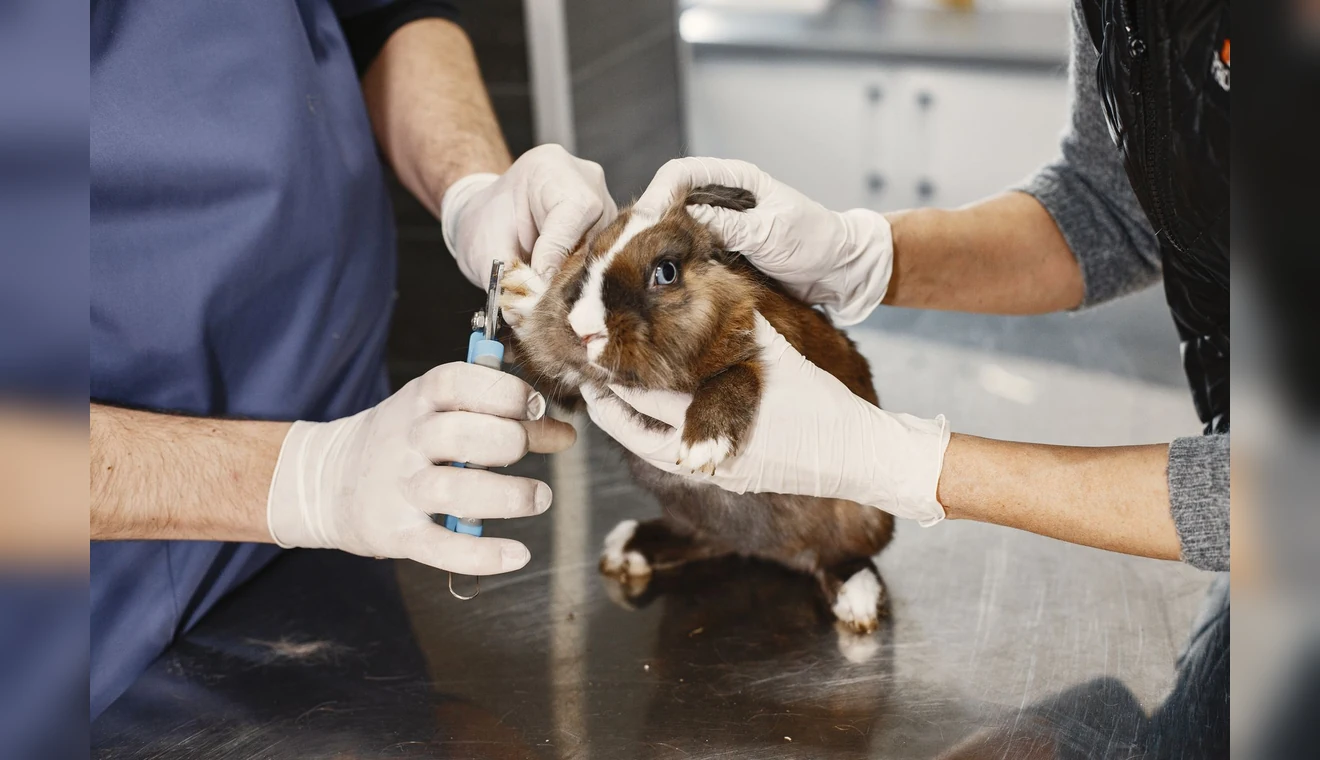
Once you understand where the living tissue lies and how your guinea pig tolerates handling, short, calm sessions can become part of normal care. Don't try to cut a whole curled nail back to its ideal length in one go.
How do you know the nails are too long?
Look at the feet while your guinea pig stands on a flat, non-slip surface. Nails that curve sharply sideways, catch on bedding or cause toes to twist need attention. Compare the shape with earlier photographs of your own animal rather than a generic picture. Some nails naturally curve more than others. If walking looks painful, the feet are swollen or the nails are embedded, contact a vet instead of attempting a home trim.
Why do indoor guinea pigs need nail care?
Wild movement over varied surfaces helps wear claws, but domestic housing often contains fleece, hay and other soft materials that provide little abrasion. Nail growth continues regardless. Merck Veterinary Manual includes regular trimming among routine care tasks and warns that long nails can make movement uncomfortable. You should still provide comfortable, solid floors; do not install abrasive wire flooring to try to grind nails down.
How often should you check them?
Inspect the nails weekly as part of ordinary health checks. Many guinea pigs need a trim every few weeks, but growth rate, age and activity vary. The point is to identify gradual overgrowth before nails curl significantly, not to obey a rigid calendar regardless of condition. Keep a note of the last trim and any problem feet. A photo taken at the same angle each month can reveal slow changes.
What equipment do you need?
Use small sharp animal nail clippers appropriate for guinea pigs; a blunt tool can crush rather than cut. Have a towel or non-slip mat and a good light ready. A second calm adult may be helpful, provided the animal is supported without squeezing. Ask your vet about keeping a suitable styptic product available for an accidental small nick. Never use large dog clippers or sharp household scissors that obstruct your view.
What is the quick inside a nail?
The quick is living tissue containing blood vessels and nerves. Cutting into it is painful and can cause bleeding. In pale nails it may be visible as a pink area; in dark nails it can be difficult to identify. Do not guess at a large cut. Veterinary staff can show you the appropriate length on each foot, and may advise trimming tiny amounts more frequently where nails have been neglected.
How to support your guinea pig safely
Keep the body supported and close to a stable surface. Some guinea pigs tolerate sitting against a trusted handler; others do better on a non-slip mat with their feet gently accessed one at a time. Avoid tipping the animal onto its back or holding it tightly by the chest. If it twists, squeals or appears distressed, stop. A safe trim can be split across more than one day.
A cautious trimming method
After a veterinary demonstration, position the clippers so you can clearly see the nail tip and avoid the quick. Remove only a small portion of the free end. Pause between nails to let the animal relax and check whether the cut surface appears normal. Reward calm cooperation with a familiar suitable vegetable or hay. If you're uncertain where to cut, ask your vet to do it. A good result is a comfortable guinea pig, not a perfectly uniform manicure.
Dark nails require extra care
A bright light may help with some nails, but it doesn't always reveal the quick clearly. Use the outline and angle your vet has demonstrated and take very small amounts. Never cut to an arbitrary photograph's length if the tissue inside may have grown forward. A vet or experienced nurse should handle severely curled dark claws. Repeated small trims may be safer than one ambitious cut.
What if you accidentally cut the quick?
Stop immediately and apply gentle pressure with clean gauze. A suitable styptic product may help for a small nick if your vet has shown you how to use it. Keep the guinea pig calm and monitor the foot. If bleeding persists, the animal is distressed or the nail has torn, contact your vet promptly. Do not use strong household chemicals, superglue or unapproved antiseptic powders.
How to make handling less frightening
Practise short touches to the feet without clippers, reward and allow breaks. Handle the animal at times it is normally awake and calm. Avoid pulling it from a hiding place solely to clip nails. Guinea pigs are prey animals and may freeze even while frightened, so look for comfortable breathing, relaxed posture and willingness to eat rather than silence alone. Our Guinea Pig Enrichment Ideas cover ways to build a more confident daily routine.
What about overgrown curled claws?
Don't try to straighten or shorten a badly curled claw in one session. The quick may extend farther forward than you expect, and the nail may have altered foot posture. A vet should assess the foot for sores, inflammation and pain. Proper treatment may involve staged trimming and adjustments to the habitat. Waiting until the claw snaps can result in more pain than arranging a routine appointment.
Check the soles of the feet as well
Look for redness, swelling, hair loss or sore patches on the underside of the feet. Long nails can affect weight distribution, but bedding hygiene, body weight and flooring also matter. An inflamed foot should be examined by a vet because conditions such as pododermatitis can worsen. Clean, dry bedding and a comfortable solid surface help protect feet; rough abrasive tiles are not a substitute for proper care.
Do long-haired guinea pigs need more checks?
Long fur can conceal claws, foot problems and soiling. Part the coat gently so you can inspect each nail. Long-haired animals also require regular grooming to prevent mats and dirt gathering around the hindquarters. If the guinea pig finds handling stressful, separate coat checks and nail work into short sessions. Our Guinea Pig Bedding Guide covers maintaining a dry and comfortable floor.
Nail care and the wider diet
Healthy movement depends on more than neat nails. Guinea pigs need unlimited appropriate hay, vitamin C from a correctly balanced diet and clean drinking water. Appetite or dropping changes can indicate illness even when the nails look normal. Our Guinea Pig Diet and Vitamin C Guide explains daily food priorities, and Guinea Pig Weight Chart discusses tracking individual trends rather than chasing one perfect number.
When is a vet appointment the best option?
Choose professional trimming if the nails are black and hard to assess, severely overgrown, split or causing altered walking. Also seek advice for an animal that panics when restrained, appears unwell or has skin lesions. Vets and nurses can teach safe handling as well as performing the trim. Regular assistance is a reasonable long-term choice if you are not confident—there is no benefit in forcing a risky DIY attempt.
A simple routine to remember
Inspect nails and feet while cleaning the enclosure, note changes and arrange trims before discomfort develops. Use positive, brief handling practice between appointments. Keep the floor solid and dry, and avoid tools that could crush the claw. Once shown where to trim, do a small amount at a time. If the guinea pig begins struggling or you lose your view of the quick, stop and try a professional session instead.
Research and further reading
- Blue Cross: guinea pig care and grooming — regular nail care and veterinary demonstration.
- Merck Veterinary Manual: routine care of guinea pigs — clipping intervals, the quick and foot health.
- RSPCA Knowledgebase: how should I groom my guinea pigs? — signs of overgrown nails and safe handling.