How Often Should You Feed a Kitten? A UK Feeding Guide
Kittens seem to swing between frantic play, a quick meal and another long nap. Their small stomachs and rapid growth mean they need a different feeding routine from an adult cat.
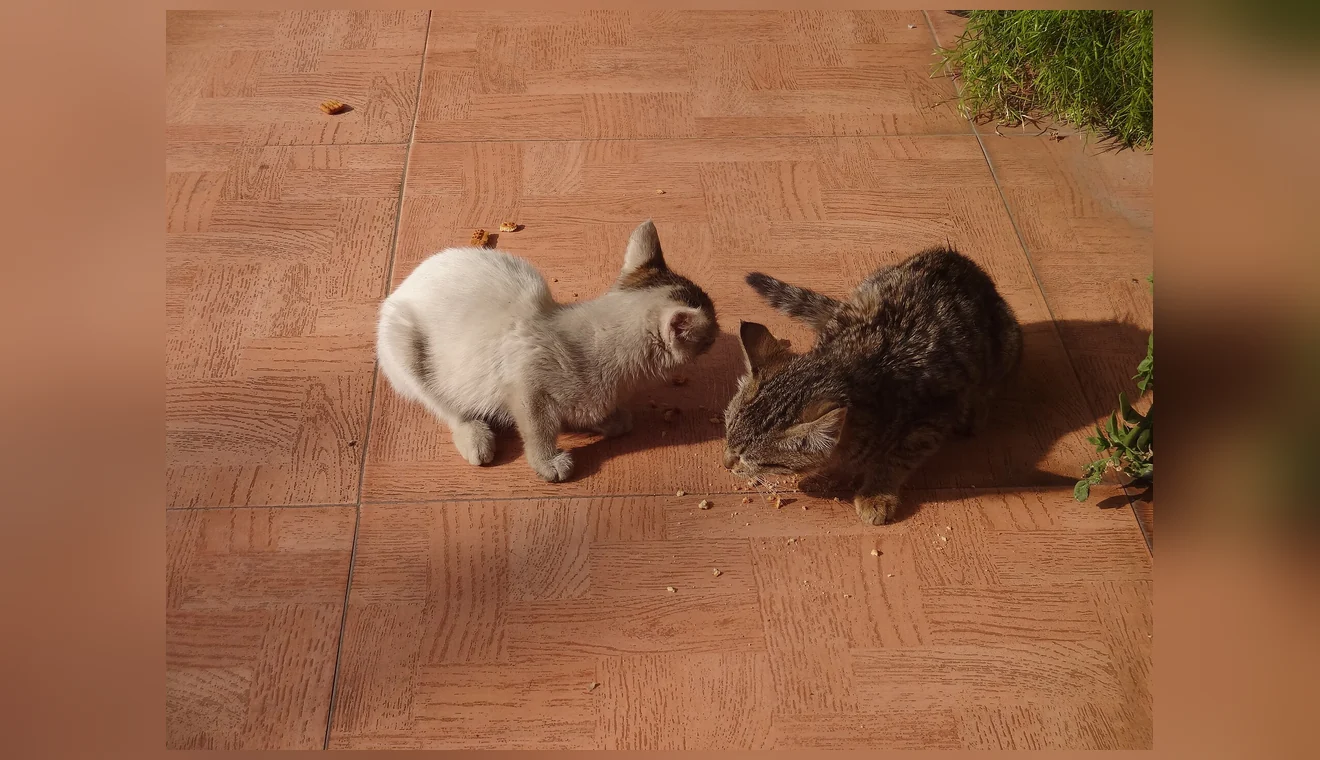
For a healthy, weaned young kitten, offer a suitable complete kitten food in at least four small meals a day, following Cats Protection's guidance. The amount matters too: use the product's age-and-weight feeding chart and adjust with your vet as the kitten grows.
How many times a day should a kitten eat?
Cats Protection recommends that young kittens eat little and often, with food offered at least four times daily.
That advice applies to kittens eating appropriate solid kitten food. Newborns still nursing from their mother or needing hand-rearing require specialist care and a very different feeding schedule.
| Stage | General feeding approach |
|---|---|
| Birth to around 3–4 weeks | Mother's milk wherever possible; orphaned kittens need urgent expert hand-rearing advice |
| Weaning, starting around 3–4 weeks | Gradual introduction of suitable kitten food alongside milk feeds under appropriate care |
| Young weaned kittens | At least four small meals each day, using complete kitten food |
| Growing kittens approaching adulthood | Continue a suitable kitten diet and adapt frequency and quantity to growth, body condition and veterinary advice |
| Adult stage | Individual feeding schedule with a complete adult diet once transition is appropriate |
These are broad life stages rather than a feeding prescription. Veterinary advice matters for very young, rescued, underweight or medically vulnerable kittens.
Why kittens need more frequent meals
A kitten is growing quickly and has a relatively small stomach. It cannot comfortably take the same large meals as an adult cat.
Spreading food across the day helps it eat enough without having to finish an oversized bowl in one sitting.
Regular meals also make appetite changes easier to spot. If you know what the kitten normally eats at breakfast, lunch and evening, you may notice illness sooner.
Don't treat an empty bowl as proof that the kitten has eaten the correct total. A curious kitten may scatter kibble, a housemate may steal its meal, or wet food may have dried out.
How much food should you give?
The amount depends on the brand, the food's calorie content, the kitten's weight, age and health. There is no safe universal “half a pouch four times a day” rule for every product.
Choose a food labelled complete and suitable for kittens. Follow the manufacturer's feeding guide, dividing the recommended daily total into multiple meals.
If the instructions give a range, use growth, appetite and body condition to decide the next step, with veterinary guidance if you're unsure.
For example, if a specific food label recommends a daily total for your kitten's current age and weight, divide that total between four feeding times. Do not assume the same grams apply to another brand.
Record the amount offered and eaten
Measure meals rather than repeatedly topping up a large bowl. This is especially helpful when the kitten is new to the household or when several cats eat in the same room.
A simple note can include weight, food brand, daily allowance and how much is left over after each meal.
Wet food, dry food or a mixture?
Both wet and dry commercial foods can be suitable if they are complete and appropriate for kittens.
Wet food contributes moisture and can be easy for small kittens to eat. Dry food can be convenient for measured portions and some supervised feeding puzzles.
A combination is possible, but don't feed the full recommended amount of both foods together. Their calories add up. Calculate a combined daily ration or ask your vet to help.
Fresh wet food should not be left out indefinitely. Remove leftovers and wash bowls regularly, particularly in a warm room.
Provide clean water at all times, positioned away from dirty litter and ideally separately from the food bowl.
What about milk?
Newborn kittens normally depend on their mother's milk. If their mother cannot feed them, they need a veterinary-approved kitten milk replacer and correct hand-rearing technique.
Cow's milk is not a suitable substitute. It can cause digestive upset and doesn't provide the right balance for hand-rearing.
Cats Protection explains that weaning commonly starts around three to four weeks, gradually transitioning from milk to suitable solid food over several weeks.
Never abruptly stop milk feeds in a very young kitten or attempt syringe feeding without trained advice. Incorrect feeding can be dangerous.
Feeding a kitten after adoption
A newly adopted kitten may be unsettled by unfamiliar people, noises and food. Ask the breeder or rescue what it has been eating and follow that routine initially.
If you want to change brands, do so gradually for an otherwise healthy kitten, watching appetite and stools.
Place the feeding area somewhere quiet. Don't make a nervous kitten compete with an older resident cat for the same bowl.
Try to keep meals predictable while allowing the animal to settle into its new surroundings.
Our Indoor Cat Enrichment Guide has simple food puzzles for older, confident kittens, but regular nutrition comes first.
What changes after neutering?
Calorie needs can change as growth slows and after neutering. Cats Protection advises checking weight carefully from around six months onward rather than assuming the same portion is always right.
Do not automatically move every neutered kitten to adult food overnight. The correct food and portion depend on age, weight, development and the veterinary plan.
A kitten that seems permanently ravenous may simply be growing—but excessive appetite with poor weight gain, diarrhoea or other symptoms deserves assessment.
Equally, a rapidly gaining kitten may be receiving too many treats or a larger daily portion than intended.
How can you tell whether the kitten is growing well?
Veterinary practices can assess body condition and growth. A kitten's healthy weight depends on more than its age, and different breeds and individuals grow at different rates.
You can use a suitable digital scale and record weight regularly, particularly for a very young or rescued kitten. Ask the vet what rate of growth is expected.
The aim is steady healthy development, not reaching a fixed number from an online chart.
A kitten should normally be interested in food and play when awake, although young animals also sleep a great deal.
Kittens in a multi-cat household
Feed the kitten in a safe separate place where an adult cat cannot steal its higher-energy kitten diet.
This also lets you monitor exactly how much the kitten eats. A shared empty bowl tells you very little.
Provide enough feeding stations and avoid placing them directly beside the litter tray. Some cats prefer several small meals in quiet locations.
If an older cat guards access to food, solve the social and layout problem instead of leaving the kitten hungry.
When a kitten doesn't eat
Kittens can become unwell quickly, particularly when very young. Contact your vet promptly if a kitten stops eating, seems weak, vomits repeatedly or develops diarrhoea.
Don't deliberately withhold food to make it accept a new brand, and don't assume a frightened animal will eventually eat if left alone long enough.
If the kitten is not yet fully weaned, seems cold, fails to gain weight or cannot suckle normally, seek urgent veterinary advice.
Our Cat Not Eating Guide explains wider warning signs, but an unwell young kitten needs age-specific attention rather than waiting for an adult-cat timetable.
Common kitten feeding mistakes
Feeding only once or twice a day
Young kittens generally need smaller, more frequent meals.
Guessing by pouch size
Food brands contain different calories. Read the label and calculate the daily total.
Giving the full allowance of wet and dry food
Mixed feeding requires combining portions, not doubling the calories.
Offering cow's milk
It is not appropriate for hand-rearing and can upset digestion.
Changing diets abruptly
Unnecessary sudden changes may cause digestive upset.
Sharing a bowl with adult cats
You can't reliably monitor the kitten's intake.
Kitten feeding questions
Can I leave dry food out all day?
Some feeding arrangements allow measured dry food to be offered over time, but you still need to know the daily total and ensure other pets don't eat it. Ask the vet what suits your kitten.
Do kittens need food overnight?
Very young nursing kittens have different needs from weaned pet kittens. For a healthy weaned kitten, plan the day's meals and seek veterinary guidance if the animal is very young or not maintaining weight.
When can my kitten eat adult cat food?
Follow appropriate growth-stage nutrition until the vet or food manufacturer recommends changing. Timing varies, including for larger breeds.
Can kittens have treats?
Small appropriate treats can be used, but they should not displace the nutrition from a complete kitten food.
Keep the routine simple
Choose a complete kitten food, follow its daily allowance and split it into at least four small meals for young kittens. Watch appetite, growth and stools rather than relying on the bowl alone.
A regular routine is easier for the kitten and gives you a clearer view of how well it is doing.
Sources and further reading
- Cats Protection: Bringing a New Kitten Home — at least four daily meals, settling in and weight monitoring.
- Cats Protection: Kitten Care — nursing, hand-rearing and weaning.
- Cats Protection: Feeding Your Cat — feeding frequency and daily allowances.