Leopard Gecko Substrate: Safe Flooring and What to Avoid
Choosing the substrate for a leopard gecko is more than decorating the vivarium. The floor needs to give the animal grip, remain hygienic and suit the humidity and heating arrangement. There is no single loose material that is safe in every enclosure. For a healthy adult leopard gecko in a well-managed setup, the RSPCA allows a roughly 50:50 organic soil and suitable sand mix, but recommends simpler non-loose options for young geckos while their husbandry is being established.
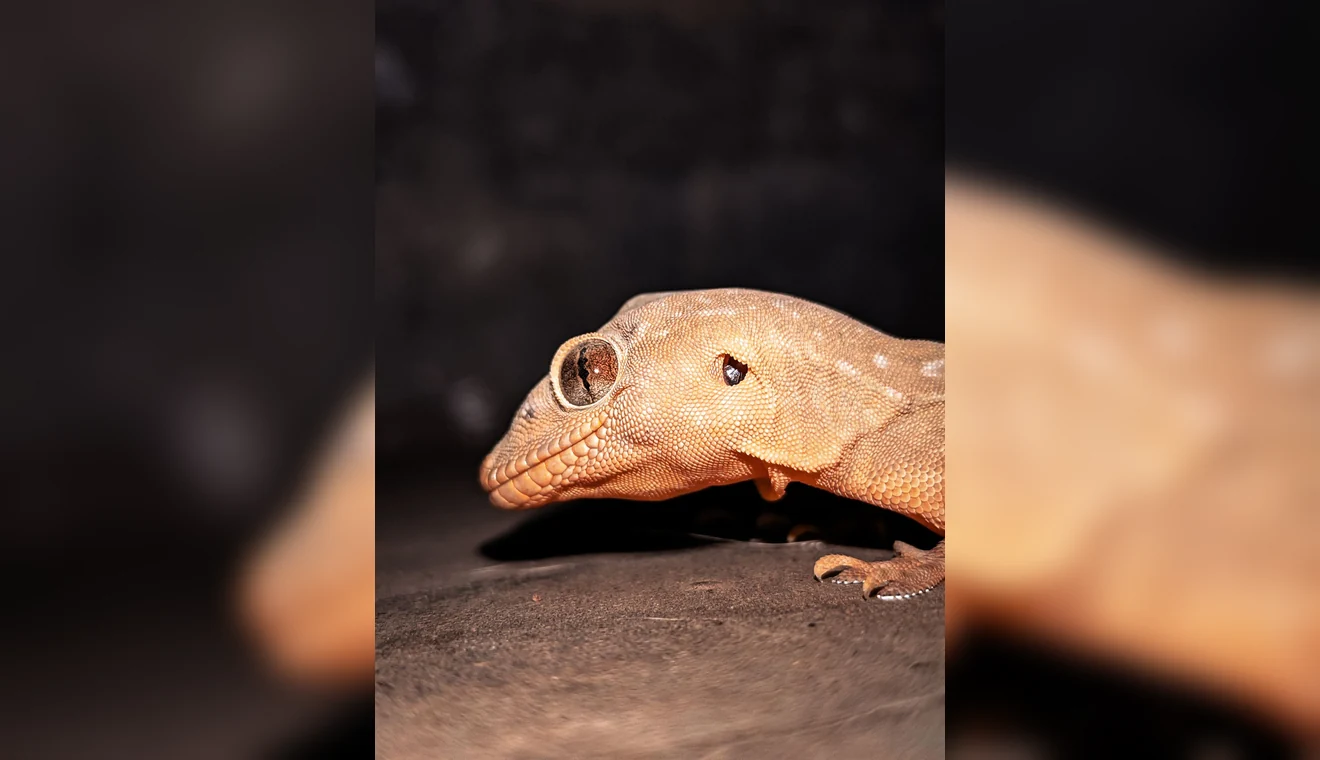
Before replacing the floor, check temperatures, hydration and feeding habits. Substrate decisions cannot compensate for an incorrectly heated enclosure.
Substrate choice interacts with heat distribution; use leopard gecko heating guidance to plan the thermostat and warm-to-cool gradient.
What does substrate do in a leopard gecko vivarium?
It covers the floor, supports natural movement and may allow digging or exploration. Some materials also affect humidity, ease of cleaning and how securely heavy furnishings rest. A good surface lets a gecko move without continually slipping. It should not have sharp edges, unsafe chemicals or fibres that can catch claws. Appearance matters far less than whether the animal can move and behave comfortably.
Is loose substrate always dangerous?
No. The risk depends on the material, the gecko's health, heating, hydration and whether particles are swallowed. In the wild, leopard geckos may ingest small amounts of soil while feeding. A healthy adult in an appropriately managed enclosure can often cope with a suitable naturalistic mixture. However, unsuitable loose materials and poor husbandry can contribute to gut problems, so don't treat a fashionable bioactive setup as automatically safe.
RSPCA's soil and sand guidance
The RSPCA states that a healthy adult can use a mix of about 50% organic soil and 50% clean children's play sand or suitable reptile sand in a well-set-up vivarium. Avoid builder's sand, which may contain sharp particles or impurities, and avoid fertilisers or chemical treatments in soil. This guidance is for a healthy adult, not a recommendation to put every juvenile or unwell gecko straight onto loose substrate.
What about paper towels?
Unprinted, plain paper towels are easy to inspect and replace, making them useful for quarantine, newly acquired animals, juveniles or periods when a vet has advised close monitoring. They provide little opportunity for digging and don't make a fully furnished, enriching habitat on their own. Replace soiled sheets promptly, secure edges so insects don't hide beneath and provide multiple snug hides. They are a practical management choice, not a decorative goal.
An accessible humid hide also supports healthy shedding; read our leopard gecko shedding guide for safe toe and eye checks.
Can slate or stone be used?
Flat, textured slate or other safe stone pieces can provide grip and a stable, easy-to-clean surface. Secure them so nothing can slide or topple onto the gecko, especially around caves and climbing areas. Avoid polished slippery stone and sharp edges. Stone can hold heat, so monitor the surface temperature with accurate equipment rather than judging by touch. Heavy furnishings should be supported independently of loose substrate underneath.
Which substrates should be avoided?
The RSPCA advises against calcisand, beech chips and other non-natural loose particles because they can cause impaction. Avoid sharp gravel, scented bedding, dyed products, walnut shell and materials that readily swell when wet. Some flooring sold for reptiles may not suit leopard geckos. Don't choose solely from a packet photo: check ingredient details and guidance from an experienced reptile vet or reputable husbandry source.
What is impaction?
Impaction means material becomes lodged in the digestive tract and interferes with normal passage. Affected reptiles may show reduced appetite, fewer droppings, abdominal discomfort or lethargy. Similar signs occur with other serious conditions, so an owner cannot diagnose impaction by pressing the abdomen or giving baths and oil at home. Contact a reptile-experienced vet promptly if a gecko stops passing droppings or appears unwell.
Why heating matters as much as flooring
Leopard geckos need a suitable thermal gradient to digest food and regulate body temperature. An animal that stays too cold may not digest normally. Measure the warm and cool areas with reliable thermometers and use an appropriate thermostat for heat sources. Follow species-specific guidance for the actual equipment, not a guess based on room temperature.
Should a young leopard gecko have loose sand?
The RSPCA recommends non-loose substrate for very young animals until you are confident they are doing well. This makes feeding, toileting and health checks easier. Once the gecko is older and stable, a naturalistic setup may be considered, provided heating and hydration are correct. If your animal is poorly, has recently been treated or is failing to thrive, ask a reptile vet before experimenting with loose material.
What about reptile carpet?
Some guidance lists reptile carpet as an easy-to-remove lining, but fabric surfaces can trap waste and may snag claws if frayed. Inspect and clean it meticulously, and stop using any piece that is damaged or difficult to disinfect. A non-loose stone or paper surface may be easier to manage. If your gecko repeatedly catches its toes, the material is not working for that animal.
How deep should substrate be?
There is no universal depth that fits every mix and enclosure. The material should support normal movement and any safe digging areas without allowing heavy objects to shift. A loose mix may be deeper in a designated digging area than beneath furniture. Ensure hides sit securely and the gecko cannot burrow beneath an unsupported rock. Plan the enclosure layout before pouring in several centimetres of soil.
Keep a humid hide separate
Leopard geckos often use a humid hide to help shed skin. A sheltered hide with appropriately damp substrate creates a local moisture zone, while the rest of the enclosure remains species-appropriate. Don't turn the entire floor into a wet swamp. Check for mould and replace dirty material. Any retained shed around toes deserves attention because restricted circulation can injure digits; ask a reptile vet if it cannot be resolved safely.
How should insects be offered?
Loose live feeders can hide in substrate, and some may bite a resting gecko. Offer appropriately sized insects using suitable feeding methods and remove uneaten live prey. A smooth feeding dish can reduce the chance of accidentally swallowing floor material with food, although the right method depends on the prey and individual. Maintain appropriate gut-loading and supplementation based on veterinary or reliable specialist guidance, not generic calcium powders scattered across the floor.
How often should the substrate be cleaned?
Spot-clean droppings and waste promptly, remove damp or mouldy areas and follow a routine appropriate to the material. Naturalistic bioactive systems still need monitoring and maintenance; they are not self-cleaning. Replace materials that smell unpleasant, become contaminated or cannot be kept hygienic. Use reptile-safe cleaning products and rinse and dry surfaces as instructed before the animal returns.
When should you change a long-standing setup?
If your gecko is eating, moving, shedding and passing droppings normally, change the enclosure thoughtfully rather than replacing every surface at once. Set up new heating and temperature measurements first. Introduce new furnishings securely, and monitor the animal closely. A sudden refusal to eat after a major rearrangement may reflect stress but could also mean poor temperatures or illness. Seek advice if it persists.
A sensible beginner choice
For a newly acquired or young leopard gecko, start with an easy-to-monitor non-loose substrate, provide several safe hides and verify your thermal gradient. Once the animal is established and the keeper understands humidity, cleaning and feeding, consider whether a correctly prepared naturalistic mix offers benefits. For broader husbandry topics, browse our reptile care guides while keeping leopard gecko requirements distinct from those of other reptiles.
Research and further reading
- RSPCA: how to care for a leopard gecko — approved substrate options, materials to avoid and husbandry.
- RSPCA: leopard gecko care sheet — substrate, humid hides, handling and safety.