Pet Emergency Kit Checklist: What to Keep at Home and in the Car
When a pet is injured, frightened or needs to leave home unexpectedly, it helps to have a few essential supplies already gathered. A pet emergency kit is for safe first aid and preparation—not a replacement for veterinary treatment. If your animal has breathing difficulty, severe bleeding, collapses or is in obvious pain, contact an emergency vet immediately.
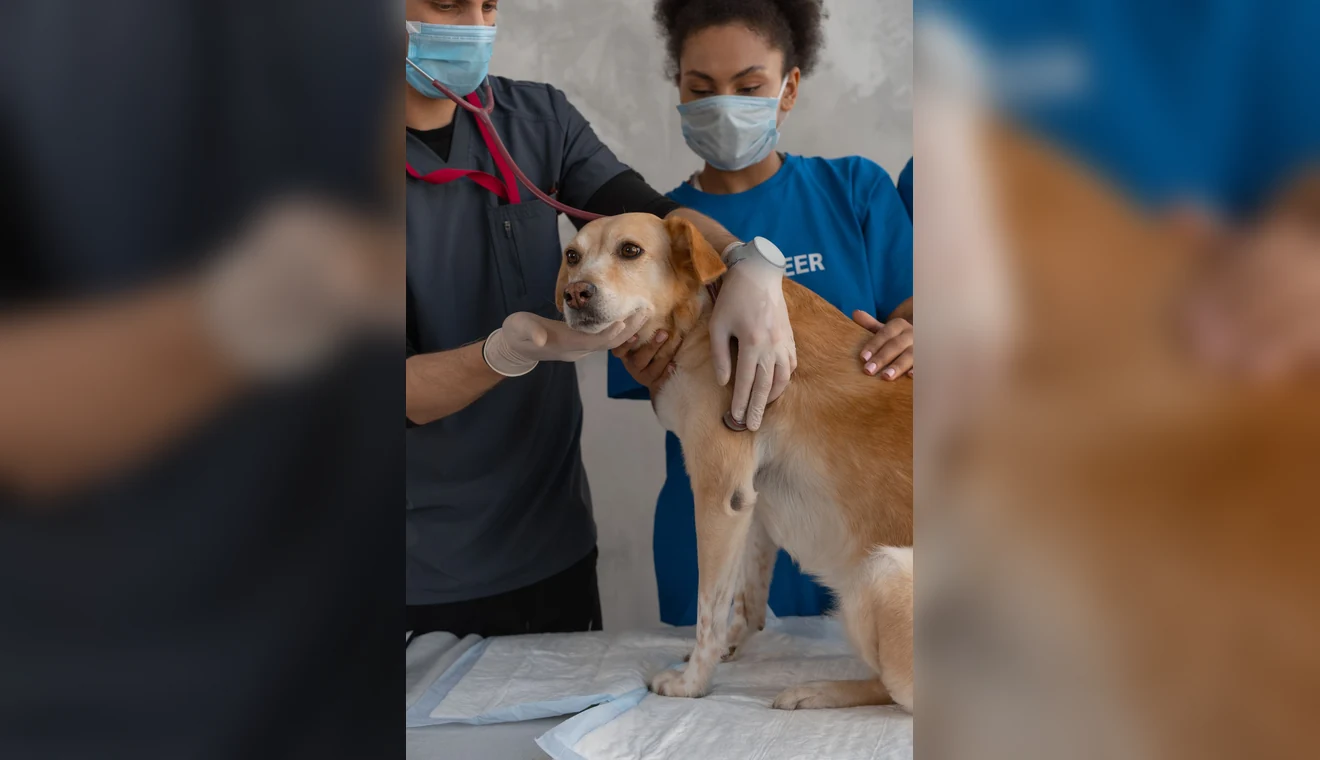
PDSA recommends keeping first-aid equipment, current veterinary contact information and practical supplies for an unexpected disruption. You can assemble most of the kit gradually without buying an expensive branded box.
First: save the important phone numbers
Store your usual vet and out-of-hours emergency practice in your phone, then write them on paper in case your battery dies. Include the address, usual opening times and directions to the emergency clinic. If your pet is insured, keep the policy number and claims contact details with them.
A second person in the household should know where this information is kept. A neighbour who occasionally checks on your pet may need it too. If you haven't yet identified a nearby emergency practice, ask your normal vet where out-of-hours cases are referred before an emergency occurs.
The basic first-aid supplies
PDSA lists sterile wound dressings, bandages, blunt-ended scissors, wound wash, suitable tape, gloves, cotton wool, tweezers, tick removers and an emergency foil blanket as useful contents. Blue Cross also recommends sterile saline and non-stick dressings in its dog first-aid guidance.
Keep items clean, dry and appropriately labelled. Don't leave loose sharp instruments where children or pets can reach them. You may not need to use every item, but knowing what is in the kit prevents a frantic search through kitchen drawers.
Bandages can cause harm if used incorrectly
A tightly wrapped dressing can restrict blood flow or worsen swelling. PDSA warns that bandaging at home without instruction may be dangerous. Use basic wound covering only according to veterinary first-aid guidance and seek prompt help for significant injuries.
Blunt scissors and tape should be readily accessible, but never attempt to splint a suspected fracture with household materials without professional advice. A pet in pain may bite or scratch, including one that is normally gentle.
What should you leave out of the kit?
Do not store human painkillers, antibiotics, sedatives or household disinfectants as pet remedies. Ibuprofen, paracetamol and other familiar medicines can be dangerous to certain animals. Essential oils, alcohol-based cleaners and unapproved ointments may also cause harm.
If your pet has prescribed medication, keep it in original packaging and administer it only according to the vet's directions. A kit should make safe decisions easier, not encourage experiments when the practice is closed.
Add a suitable pet carrier or transport plan
Cats, rabbits, guinea pigs and other small animals need a secure, well-ventilated carrier that fits their size and species. Dogs may need a suitable harness or lead and a plan for safely lifting them if injured. Practise getting animals into their carriers when nothing stressful is happening.
PDSA suggests having a blanket that can help as a stretcher for a larger pet in some circumstances, but moving an animal with a suspected spinal injury requires veterinary direction. Never lift by limbs or restrain the chest so tightly that the animal cannot breathe.
Food, water and medication for disruptions
An emergency kit may also serve during power cuts, flooding or temporary evacuation. PDSA suggests planning enough suitable food and medication for around three days, while considering the animal's individual needs. Keep access to drinking water and safe containers.
For animals on special diets, choose appropriate shelf-stable supplies instead of assuming any pet food will do. Rotate stock before expiry and replace it after use. Have an arrangement for refrigerated medicines or food if the power fails.
Species-specific extras
A cat may need litter, a small tray and familiar bedding. Rabbits and guinea pigs need suitable hay, a safe carrier and species-appropriate food. Reptiles may require carefully managed transport warmth and environmental monitoring, while fish pose a different problem when electricity or aeration fails.
Avoid using general heating packs directly against reptiles. Heat burns can develop without obvious early signs. Prepare a safe transport arrangement with guidance from a reptile-experienced vet rather than improvising during a cold-night emergency.
A pet information sheet is as important as bandages
Include your pet's name, species, age, microchip details where applicable, current medications and doses, known allergies, feeding requirements and your veterinary contacts. If somebody else must take over care, the sheet provides continuity without searching through old messages.
Before travelling, confirm your animal's chip registration and contact details; our UK pet microchip law guide explains current requirements.
Keep sensitive personal information somewhere secure rather than posting a detailed form publicly. Review it when medication or insurance changes. Our pet insurance lifetime cover guide explains why the actual policy schedule is worth keeping accessible.
What to take on a countryside walk
A smaller portable kit might include sterile dressings, a tick-removal tool, gloves, a small bottle of suitable wound wash, contact numbers and a means of keeping the dog secure. Adjust contents to the length of your outing and the animal.
Do not turn a first-aid kit into a way to avoid veterinary advice. Our dog grass seed paw guide explains why an embedded seed needs examination rather than picking at the skin with the tweezers in your bag.
Emergency transport in a car
Keep the kit where you can retrieve it without emptying the boot. Secure carriers and animals appropriately so they cannot interfere with driving. A blanket can provide warmth, but avoid overheating the animal. Keep a charged phone and know which veterinary clinic takes emergencies.
If your pet becomes very distressed or is struggling to breathe, telephone ahead. Never leave an animal unattended in a hot vehicle while you arrange supplies. A vehicle is only part of a transport plan, not a safe place to wait indefinitely.
A short rehearsal makes a difference
Try locating the kit, checking the expiry dates and finding the emergency vet route while your pet is well. Can you fit the cat carrier through the door? Does the person staying with your dog know its medication? Is the flashlight working?
One rehearsal can reveal practical obstacles that a printed checklist misses. Keep the kit near an exit but away from damp or excessive heat. Tell trusted household members where it lives.
When first aid is appropriate
For a minor injury, veterinary guidance may include carefully covering a wound or keeping the animal calm while travelling. For major bleeding, breathing difficulty, collapse, poisoning or heatstroke, immediate professional advice is essential. PDSA teaches checking danger, response, airway, breathing and circulation while arranging help.
Do not lose precious time trying several treatments in sequence before phoning. A vet may direct you to do something different from the generic first-aid steps depending on the species and injury.
A simple maintenance schedule
Inspect the kit periodically and after every use. Replace opened sterile dressings, expired products and consumed food. Update the medication sheet, emergency phone numbers and backup caretaker's details.
A reliable emergency kit is rarely fancy. It is a clear set of safe supplies, useful records and a rehearsed route to professional help. Knowing when to use it—and when to call the vet—is what makes it valuable.
Sources and further reading
- PDSA: First aid for pets — suitable kit contents and emergency priorities.
- PDSA: Preparing your pet for an emergency — food, medicines, records and evacuation supplies.
- Blue Cross: Basic first aid for dogs — wound supplies and avoiding human painkillers.