Cat Yowling at Night: Common Causes and Practical Help
A cat yowling in the hallway at three in the morning can leave a household exhausted. Sometimes the explanation is straightforward: the cat is awake, hungry or wants company. But a new, persistent or unusually loud night-time cry may also indicate pain, illness or confusion, especially in an older cat. Don't decide it's attention-seeking without first considering health.
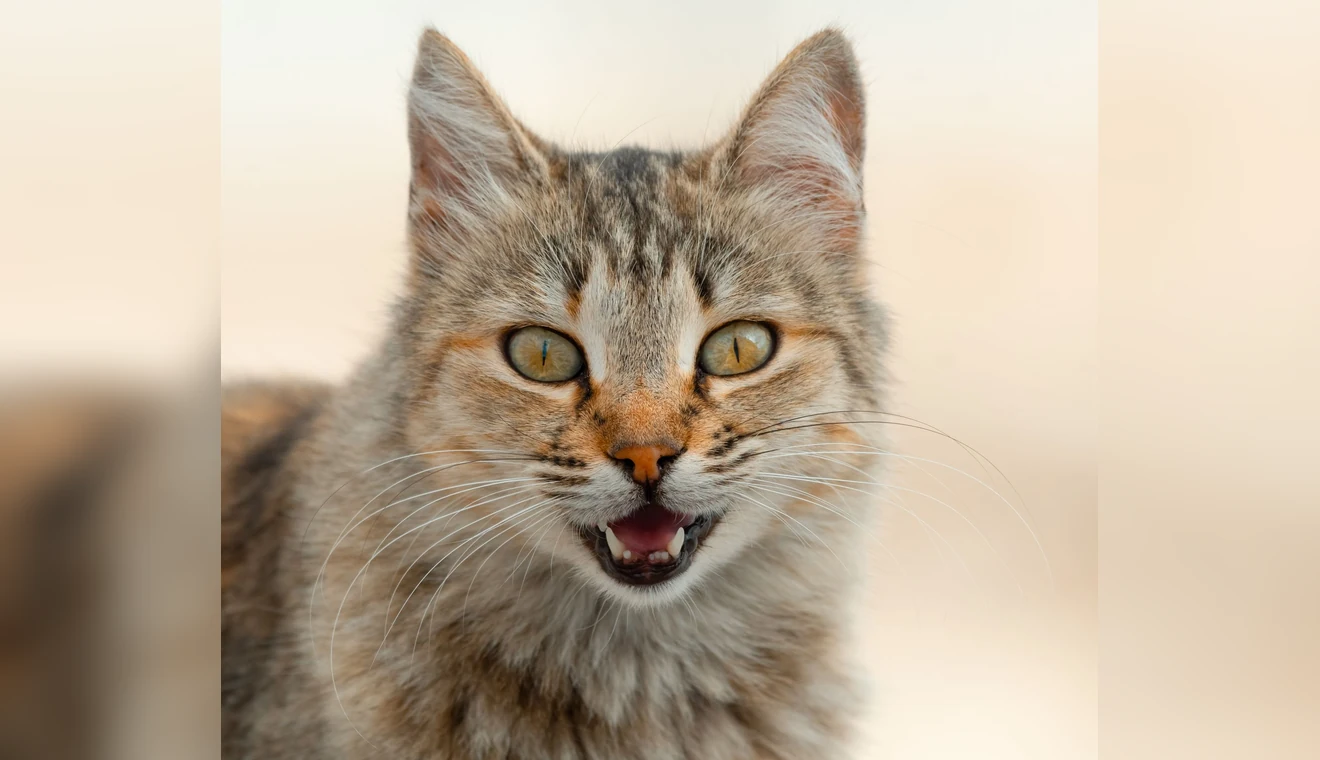
Cats Protection recommends veterinary advice when night-time vocalisation is new or persistent. After a medical check, you can improve the routine without shouting, punishing or ignoring a cat that is genuinely distressed.
Is night-time vocalising normal for cats?
Cats often become active around dawn and dusk, times when their hunting instincts are naturally strong. Some individuals are chatty at those hours while others sleep through. A cat may meow because it wants food, access to a room, play or contact. The concern is a noticeable change, especially prolonged distressed yowling, disorientation or other physical symptoms. Learn the difference between your cat's usual conversation and a new pattern.
Why does my older cat suddenly yowl?
Older cats may experience pain, reduced hearing or vision, high blood pressure, thyroid disease or cognitive changes. Cats Protection lists confusion, increased vocalisation and behavioural change among reasons to seek a senior-cat check. You cannot diagnose feline dementia merely because the cat cries at night. A vet can examine the animal and decide whether blood tests, blood pressure measurement or other checks are appropriate.
Could pain cause night-time crying?
Yes. Arthritis, dental discomfort, urinary problems and other conditions may make it harder to rest comfortably. Watch for reluctance to jump, changes in walking, altered grooming, hiding or toileting outside the tray. A cat that curls up quietly through the day may still be uncomfortable at night. If the yowling is accompanied by marked distress or the cat is struggling to pass urine, seek urgent veterinary advice.
Look for other changes at the same time
Make a note of appetite, thirst, weight, urination, stools and energy. A cat yowling while drinking and eating much more, for example, needs a medical check rather than simply more food at bedtime. Our Cat Drinking Water Guide covers hydration and important changes to observe. Use specific observations when speaking to the vet: 'started last Thursday and cries near the kitchen' is more useful than 'acts weird at night'.
Could your cat be hungry?
Some cats learn that vocalising brings a midnight snack. Others need their normal daily food divided into smaller meals. Check the amount and suitability of the diet before increasing calories, particularly if weight is already an issue. An automatic feeder may help with predictable timing, but should not be used to avoid examining an ill cat. Ask your vet about feeding if your cat has changed appetite or a medical condition.
Try a calm pre-bed routine
Offer a short play session using a suitable wand toy, allow the cat to catch a toy and then provide its normal planned meal if appropriate. Keep the routine roughly consistent. Cats Protection suggests play and environmental stimulation as part of supporting cats awake at night. Avoid high-energy games immediately after a cat has already become frantic; the aim is satisfying natural behaviour and supporting rest, not making the cat exhausted through forced activity.
Don't accidentally make every yowl a game
If medical issues have been checked and the cat is vocalising to request attention, repeatedly getting up to play may reinforce the pattern. Provide daytime interaction, predictable feeding and overnight resources. But never ignore a cat showing pain, confusion or signs of illness just because you hope the noise will stop. A calm approach requires knowing the cat's baseline and responding to welfare needs first.
Is the cat yowling by a door or window?
Look for specific triggers. Outdoor cats passing a window, moving shadows, a closed bedroom door or unfamiliar sounds may cause vocalisation. Offer a safe window view when welcome, or block stressful sights with suitable covering. Ensure the cat can reach food, water, litter and resting places without being trapped behind shut doors. Keep outdoor access safe: Cats Protection advises keeping cats indoors at night because of increased road risks.
Could lack of play and enrichment contribute?
Indoor cats need opportunities to climb, scratch, hide, investigate and perform hunting-style play. Boredom can lead to seeking stimulation at inconvenient hours. Try several short play sessions through the day rather than one enormous session before bed. Puzzle feeders using the normal food allowance can offer an independent activity. Our Indoor Cat Enrichment Ideas includes low-cost options that keep cats active without making owners entertain them all night.
What if the cat is frightened or stressed?
Household changes, new pets, construction noise and conflict with another cat can all affect rest. Provide hiding places and separate resources, and give the cat a room where it can feel safe. Don't force company when it retreats. Some cats yowl when their routine changes, but stress can coexist with illness, so don't let a plausible emotional explanation replace a veterinary check. Our Cat Hiding Under the Bed discusses offering safe retreats.
Can unneutered cats yowl more?
Calling to find mates is common in unneutered cats. Cats Protection notes that both males and females may vocalise loudly during mating-related behaviour. Discuss neutering with your vet; it can reduce some hormone-driven calling and has broader health and welfare considerations. It won't resolve every kind of night-time meowing, particularly where pain, fear or learned routines are involved.
Should the cat sleep in the bedroom?
There is no single rule. Some cats settle with familiar human company, while others become more active when people move during the night. Choose an arrangement that meets the cat's welfare and can be maintained consistently. Make sure it has water, a suitable litter tray and somewhere comfortable to rest. Suddenly shutting a cat out without preparing alternative resources can create additional distress.
Night-time vocalisation in a multi-cat home
Observe whether one cat blocks hallways, litter boxes or resting areas. Subtle tension can make an animal hesitant to move through shared spaces until the household is quiet. Add separate feeding stations, trays and sleeping places rather than forcing cats to negotiate one route. If yowling began after introducing another animal, consider the pace of the introduction. Our Introducing a Kitten to a Cat covers gradual introductions and avoiding resource competition.
Avoid punishing noise
Shouting, spraying water or chasing the cat may stop the sound briefly but can increase fear and strain the relationship. Instead, identify triggers, build a predictable routine and reward calm daytime interactions. Punishment is particularly inappropriate if the cat is disoriented or painful. A night-light and easy access to resources may help some older cats who struggle with navigation, but ask your vet about suspected sensory decline.
When does a cat need urgent help?
Call a vet promptly if vocalisation accompanies repeated unproductive attempts to urinate, collapse, severe pain, breathing difficulty or inability to move normally. A blocked urinary tract is an emergency. If your cat is crying beside the litter tray, our Cat Peeing Outside the Litter Box explains urgent warning signs. Do not assume every night-time cry is behavioural until these possibilities are excluded.
How long does a new routine take to work?
If a veterinarian finds no medical problem, behaviour changes may still take time. Record when vocalising occurs, what preceded it and how the cat responds to environmental adjustments. One quiet night is encouraging but not proof that an underlying problem has disappeared. Seek a qualified feline behaviourist if yowling persists despite health checks and practical changes. Avoid overhauling every room and food schedule in a single evening.
A sensible starting plan
Book a vet assessment for new or persistent yowling, particularly in senior cats. Meanwhile, make sure food, water, litter and quiet resting places are accessible, and note unusual thirst, weight or appetite. Use gentle play and a predictable evening routine rather than punishment. After medical causes are addressed, refine the routine according to what actually helps your individual cat sleep.
Research and further reading
- Cats Protection: why cats cry — causes of yowling and when to seek advice.
- Cats Protection: cats at night — night-time activity and welfare.
- Cats Protection: elderly cats — changes in vocalisation and senior health.