How Much Hay Should a Rabbit Eat? Daily UK Feeding Guide
When a rabbit has eaten its favourite leaves but ignored the hay rack, it is easy to assume it simply prefers something tastier. But grass and hay are the most important part of a healthy rabbit's diet. A rabbit cannot maintain normal digestion and tooth wear on vegetables and pellets alone.
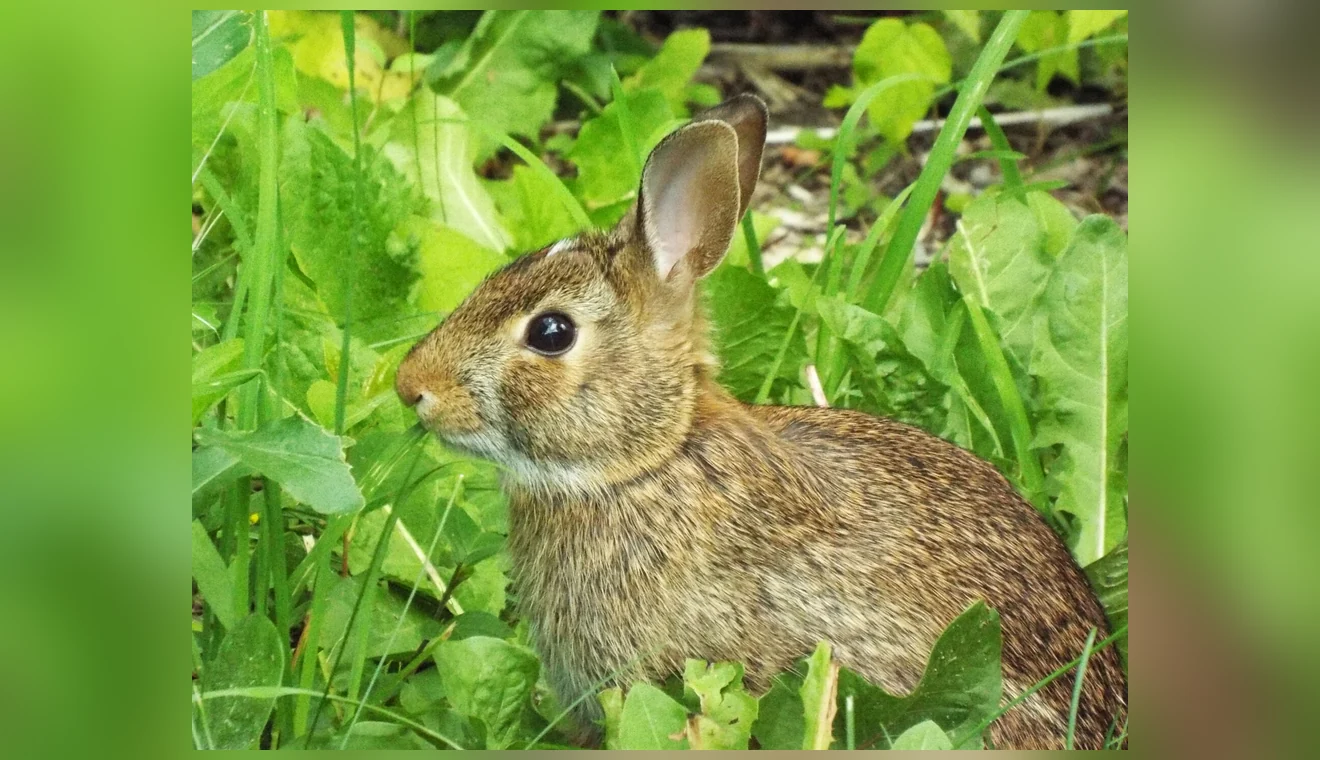
The Rabbit Welfare Association & Fund (RWAF) recommends unlimited good-quality hay or grass, aiming for at least a pile of fresh hay roughly the rabbit's own body size every day. Hay should make up around 85% of the diet, with greens and a small measured portion of pellets making up the rest.
How much hay is enough for one rabbit?
There is no useful universal weight in grams because hay varies in dryness, density and type.
RWAF uses a practical visual starting point: offer at least a rabbit-sized bundle of fresh hay every day, and let the animal eat more.
The PDSA likewise says unlimited access is ideal.
A rabbit that eats enthusiastically may go through more than the initial pile. Keep topping it up rather than restricting it to an arbitrary gram amount.
Hay should be available both day and night.
Why should hay make up most of the diet?
Rabbits are specialised herbivores with a digestive system built for fibrous vegetation.
Hay keeps food moving appropriately through the gut and provides the long fibres needed for normal digestion.
Chewing hay also helps wear the teeth, which continue growing throughout a rabbit's life.
RWAF recommends a diet based on approximately 85% hay or grass, 10% greens and 5% suitable nuggets.
Those are broad diet proportions, not a reason to weigh every leaf into exact percentages.
What does good feeding hay look like?
Choose fresh, pleasant-smelling hay that is dry, clean and free from visible mould.
Feeding hay should be nutritious and appealing. PDSA distinguishes it from some coarse bedding hay that is less attractive to eat.
Timothy, meadow and other suitable grass hays can be used depending on availability and the animal's preferences.
Introduce a new type gradually if the rabbit is sensitive to changes.
Do not offer hay contaminated by droppings, chemicals or damp storage.
Hay versus grass
Fresh growing grass is also appropriate food for many rabbits.
RWAF explains that grass is an excellent natural diet, while hay is its practical year-round alternative.
If a rabbit has not been eating fresh grass, introduce grazing gradually to reduce stomach upset.
Never give lawnmower clippings. PDSA warns these can make rabbits ill as they ferment and spoil.
Ensure grazing areas are safe from chemicals, poisonous plants and predator threats.
How should hay be offered?
Place clean hay at accessible positions where the rabbit can forage naturally.
Some rabbits like to eat hay while using a litter tray. A stable rack beside or above the tray can help keep the main supply cleaner.
Make sure racks cannot trap a head or paw and that no rabbit has to climb dangerously to reach food.
Keep several hay stations for a pair so one animal cannot guard the entire supply.
Our Rabbit Enclosure Size Guide explains how enough space supports feeding and movement.
Do rabbits need pellets too?
A suitable complete rabbit nugget may contribute nutrients, but it should form only a small part of the normal diet.
RWAF's general guidance uses around 15 g per kilogram of bodyweight as an illustrative daily pellet amount.
PDSA describes a different practical measure—about one tablespoon daily for many adult rabbits, with adjustments for large animals.
These guidelines are not interchangeable in every situation. Choose a feeding plan that suits the actual product, rabbit and veterinary advice.
Avoid muesli-style mixtures that encourage selective feeding.
Fresh vegetables and herbs
Leafy greens can add variety and important nutrients, but should not displace hay.
PDSA recommends an adult-sized handful of suitable greens morning and evening.
Introduce unfamiliar plants gradually and wash them first.
Our Rabbit Vegetables Daily Guide explains which greens and herbs can be offered regularly and which need moderation.
Don't use sweet carrots or fruit as the main reward every time you interact with the rabbit.
What if my rabbit refuses hay?
A rabbit that regularly ignores hay may be receiving too many pellets or treats, may dislike the particular hay, or could have dental pain.
Try good-quality fresh hay in several suitable locations and reduce inappropriate treats according to a sensible feeding plan.
But do not assume a sudden refusal to eat is a preference problem.
Rabbits can develop dangerous gut problems quickly. If your rabbit stops eating normally or produces fewer droppings, contact a rabbit-experienced vet urgently.
Our Rabbit Not Eating Guide explains the warning signs.
Does hay prevent dental problems?
A fibre-rich hay diet is one of the most important foundations for normal tooth wear.
The PDSA warns that low-fibre diets are associated with dental disease, including painful sharp spurs and overgrown teeth.
But appropriate hay cannot cure teeth that are already diseased.
A rabbit with drooling, selective eating, weight loss or a wet chin needs professional dental assessment.
Read our Rabbit Dental Problems Guide for the clinical signs and what a vet may check.
What about baby rabbits?
Young growing rabbits can have different nutritional requirements and feeding arrangements from adults.
A vet or experienced rabbit welfare organisation can advise on suitable hay, pellets and the introduction of greens.
Don't make abrupt changes to a juvenile's diet using a general adult chart.
Monitor eating, growth and droppings carefully.
A new rabbit also needs time to settle, so maintain familiar suitable foods when first brought home.
How to store hay safely
Keep bags and bales in a dry, ventilated place protected from leaks, pests and strong chemical odours.
Inspect for dampness, dust and mould before feeding.
Don't store hay directly against a wet shed wall or beneath a leaking roof.
If any part smells musty or has visible mould, discard the affected supply.
Protect hay from contamination while allowing appropriate airflow.
How much hay should two rabbits have?
Both need unlimited access, so there should be more than enough for each.
Don't simply double a strict gram ration and assume the quieter animal has eaten its share.
Use multiple feeding locations and observe individual eating, particularly if one rabbit is dominant.
If their appetites differ substantially, assess the animals separately.
Changes in the amount eaten can be an early sign of illness.
Common hay-feeding mistakes
Offering hay only at bedtime
Provide access throughout the day and night.
Feeding mostly nuggets or muesli
Rabbits need a predominantly fibrous grass-and-hay diet.
Using mouldy or dusty hay
Choose clean, fresh, suitable forage.
Assuming vegetables replace hay
Leafy greens are a supplement, not the foundation.
Ignoring a sudden drop in hay eating
Dental pain and gut problems need veterinary attention.
Frequently asked questions
How big should a hay pile be?
RWAF says at least about the rabbit's body size daily, but unlimited access is the goal.
Can a rabbit eat too much hay?
Healthy rabbits generally need unrestricted suitable grass hay. Particular medical conditions need individual veterinary advice.
Is meadow hay okay?
Suitable good-quality meadow grass hay can be part of a rabbit's diet when clean and nutritionally appropriate.
Can I feed lawn clippings?
No. PDSA warns against feeding lawnmower clippings.
Make hay the easy option
Keep fresh grass hay available, replenish it often and place it where the rabbit feels safe eating.
A rabbit with unlimited suitable hay, measured pellets, varied greens and clean water has a far better foundation than one living on treats and an occasional handful of dry grass.
Sources and further reading
- RWAF: How to Feed Rabbits — 85/10/5 diet, unlimited hay and fibre.
- PDSA: Feeding Your Rabbits — rabbit-sized hay bundle, pellets and fresh greens.
- PDSA: Dental Problems in Rabbits — hay chewing and signs of dental disease.