Rabbit Dental Problems: Symptoms, Causes and What to Do
A rabbit may still approach the food bowl even when eating is painful. It might pick up a pellet and drop it, leave long strands of hay untouched or develop wet fur beneath its mouth. Because rabbits are prey animals, they can hide illness until the problem has become serious.
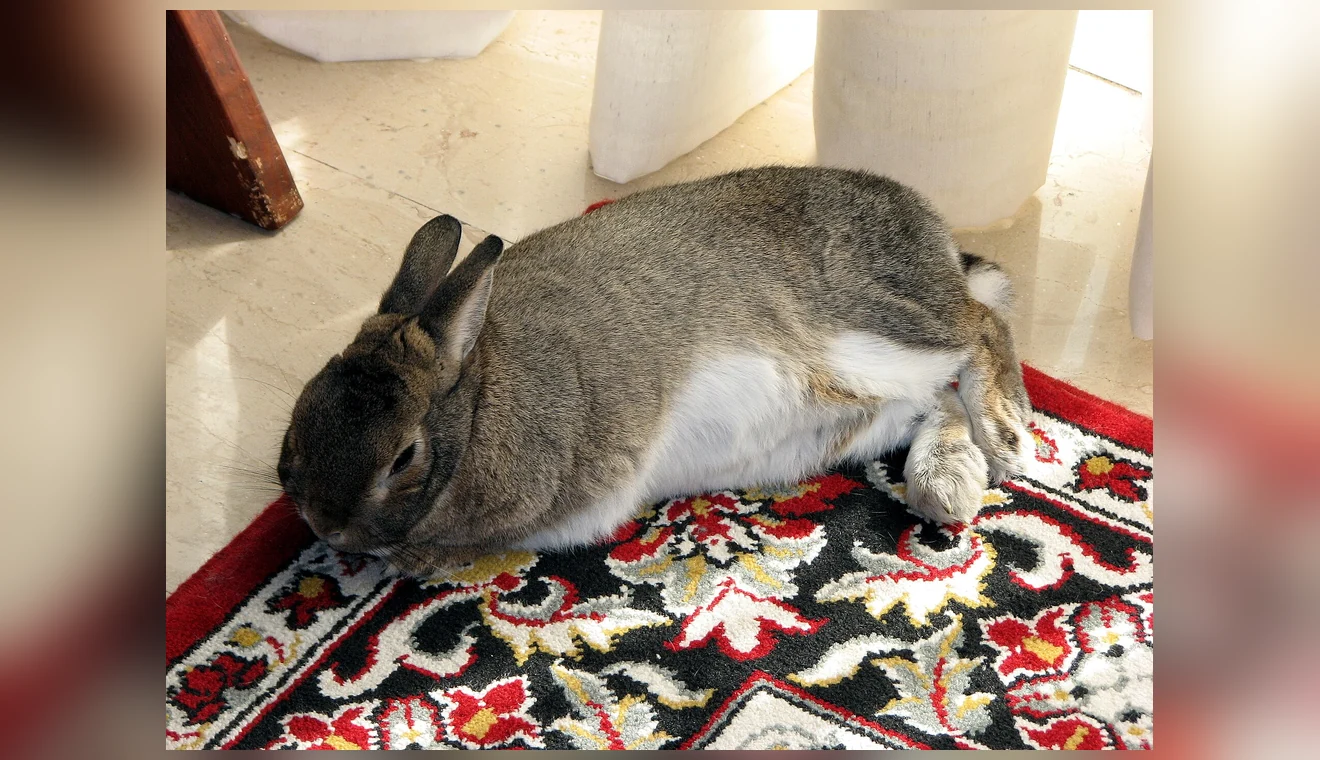
Dental disease is a common cause of pain and reduced eating in rabbits. The PDSA warns that overgrown teeth, sharp molar spurs and tooth-root problems require veterinary assessment. Don't attempt to file, clip or cut a rabbit's teeth yourself.
Why do rabbit teeth cause problems?
Rabbit teeth grow continuously and are normally worn by the sideways grinding action of chewing fibrous food.
A diet too low in suitable hay and grass can contribute to inadequate wear, but dental disease can also be influenced by skull shape, genetics, injury and other health factors.
The visible front teeth are only part of the mouth. The back teeth can develop sharp edges that injure cheeks and the tongue.
An owner looking only at the incisors can miss painful problems much farther back.
The symptoms to watch for
PDSA lists common warning signs including:
- Reduced appetite or eating less hay.
- Dropping food while attempting to chew.
- Weight loss and changes in body condition.
- Drooling or wet fur around the chin.
- Watery eyes or discharge.
- A swollen or painful jaw.
- Smaller or fewer droppings.
- Unusual behaviour, hiding or lethargy.
Not every rabbit shows every sign. A rabbit with dental pain may still take soft treats while refusing difficult-to-chew hay.
If your rabbit stops eating normally or produces fewer droppings, contact a rabbit-experienced vet urgently.
What are overgrown front teeth?
The incisors at the front of the mouth cut vegetation.
When they grow too long or don't meet appropriately, they can interfere with eating, drinking and grooming.
Some may curve or press against soft tissue.
Visible overgrowth may be obvious, but normal-looking front teeth do not prove the molars are healthy.
A vet will assess alignment, the rest of the mouth and the potential underlying cause.
What are molar spurs?
The cheek teeth grind fibrous food.
When teeth wear unevenly, sharp edges or spurs may form and press into the cheeks or tongue.
The PDSA explains that these can cause painful sores, changes in feeding and loss of condition.
The animal may prefer pellets or soft foods because long hay requires more grinding.
A proper veterinary oral examination is needed to identify and treat these problems.
Tooth-root abscesses and infections
A tooth-root abscess is a painful infection around a tooth root.
It can cause facial swelling, discharge, reduced eating and other problems.
Some abscesses may be hidden deep in the jaw.
Veterinary diagnosis may involve examination and imaging, with treatment tailored to the affected tooth and surrounding tissue.
Don't try to squeeze a swelling or treat a suspected abscess using leftover household antibiotics.
How to check teeth safely at home
Observe eating and gently inspect what can be seen without forcing open the mouth.
PDSA recommends regular checks and veterinary dental examination.
A rabbit with a painful mouth may struggle or bite when its head is handled.
Don't insert tools or attempt to see the molars yourself. They are difficult to assess properly without suitable equipment and experience.
If something looks abnormal, make an appointment rather than repeatedly restraining the animal.
Why unlimited hay matters
PDSA and RWAF recommend unrestricted suitable grass hay as the main part of a rabbit's diet.
Long-fibre chewing supports the natural grinding movement needed for normal tooth wear.
Our How Much Hay Should a Rabbit Eat Guide explains the rabbit-sized daily hay bundle recommendation and why unlimited access is preferable.
Hay cannot repair an already damaged tooth, but a fibre-rich diet is a vital part of prevention and long-term welfare.
If the animal suddenly refuses hay, don't simply wait for it to become hungry.
Should pellets be removed?
Pellets should make up only a small appropriate part of a healthy adult rabbit's diet.
However, don't abruptly remove food from an animal already struggling to eat.
A rabbit with dental disease may need a carefully managed diet during treatment, sometimes including veterinary feeding support.
Follow the vet's instructions rather than attempting to force the rabbit onto dry hay alone.
Our Rabbit Diet Guide covers the everyday balance for animals without a specific medical plan.
What if the rabbit still eats vegetables?
A rabbit may accept soft leafy greens despite painful back teeth.
This does not rule out dental disease or gut problems.
Watch for dropping food, slow chewing, an unusual head position or preference for only one texture.
Contact a vet if the animal's intake has changed significantly even though it still takes favourites.
Don't interpret begging for a treat as evidence that the teeth are fine.
Can I trim rabbit teeth at home?
No. PDSA warns that clipping teeth with household tools can fracture them or expose the sensitive inner structures.
Rabbit dental treatment requires appropriate professional equipment and may need anaesthesia.
Home filing, nail clippers, pliers or scissors are not acceptable shortcuts.
If a tooth appears dangerously long or broken, contact the vet promptly.
Attempting a quick fix can turn a treatable problem into a serious injury.
Why wet eyes can be a dental symptom
Some dental disease involves tooth roots close to structures associated with the eyes and tear ducts.
PDSA lists watery eyes among signs that can accompany rabbit dental problems.
But watery eyes may have several causes, including irritation or infection.
A vet needs to assess the whole animal rather than assuming every eye symptom means molar disease.
Don't use leftover eye drops or human products without veterinary direction.
What does dental treatment involve?
Treatment depends on the affected teeth and the cause.
A vet may need to examine the mouth more thoroughly, take imaging, reshape or remove diseased teeth, manage infection and plan pain relief.
Some rabbits need repeat care or long-term monitoring.
The PDSA notes that rabbit dental problems can become recurring conditions, making suitable insurance or planned veterinary budgeting worthwhile.
Ask how to monitor eating and droppings during recovery.
Why digestive complications are urgent
Rabbits need a functioning digestive system and a continuous supply of appropriate fibre.
When dental pain reduces eating, the gut may slow dangerously.
A rabbit producing few droppings, sitting hunched or refusing food needs urgent veterinary assessment.
Our Rabbit Not Eating: What to Do Guide covers recognising a feeding emergency.
Don't force-feed an animal with suspected obstruction unless a vet has assessed the situation and instructed you.
Preventive dental care
- Provide unlimited clean good-quality grass hay.
- Keep pellets measured rather than the main meal.
- Monitor what the rabbit actually eats, not only what disappears from a shared bowl.
- Weigh regularly and notice condition changes.
- Check the visible front teeth gently where practical.
- Arrange veterinary checks at the frequency advised.
- Seek help immediately for changed eating or droppings.
A well-designed feeding and monitoring routine is better than waiting for obvious overgrowth.
Common dental mistakes
Checking only the front teeth
Painful cheek-tooth problems may not be visible.
Waiting because the rabbit still eats treats
Soft foods may be easier to manage despite pain.
Clipping teeth yourself
This can cause fractures and serious injury.
Assuming all drooling is harmless
Wet fur can be an important sign of oral pain.
Reducing hay to prevent choking
Normal fibrous chewing is important; a painful rabbit needs veterinary assessment.
Frequently asked questions
How many teeth do rabbits have?
PDSA states that rabbits have 28 teeth, including incisors and back teeth.
Do rabbit teeth really grow continuously?
Yes, appropriate chewing and normal alignment are essential to their wear.
Can rabbit dental disease be cured?
Some problems can be corrected, while others need ongoing veterinary management.
Does a rabbit refusing hay need a vet?
Yes, particularly if it has reduced overall eating or fewer droppings.
Take subtle changes seriously
A rabbit with dental trouble can appear almost normal until eating becomes very difficult.
Watch hay consumption, body condition and droppings. Keep the diet appropriately fibrous and obtain a veterinary examination early when anything changes.
Sources and further reading
- PDSA: Dental Problems in Rabbits — overgrown teeth, molar spurs, abscesses and treatment warnings.
- RWAF: How to Feed Rabbits — hay intake and tooth wear.
- PDSA: Feeding Your Rabbits — fibre-rich everyday diet.