Rabbit Grooming: Brushing, Moulting and Safe Nail Care
A rabbit may spend hours washing its face and tidying its coat. That doesn't mean it never needs help. Loose fur during moulting, mats around the hindquarters and overgrown nails can become real welfare problems.
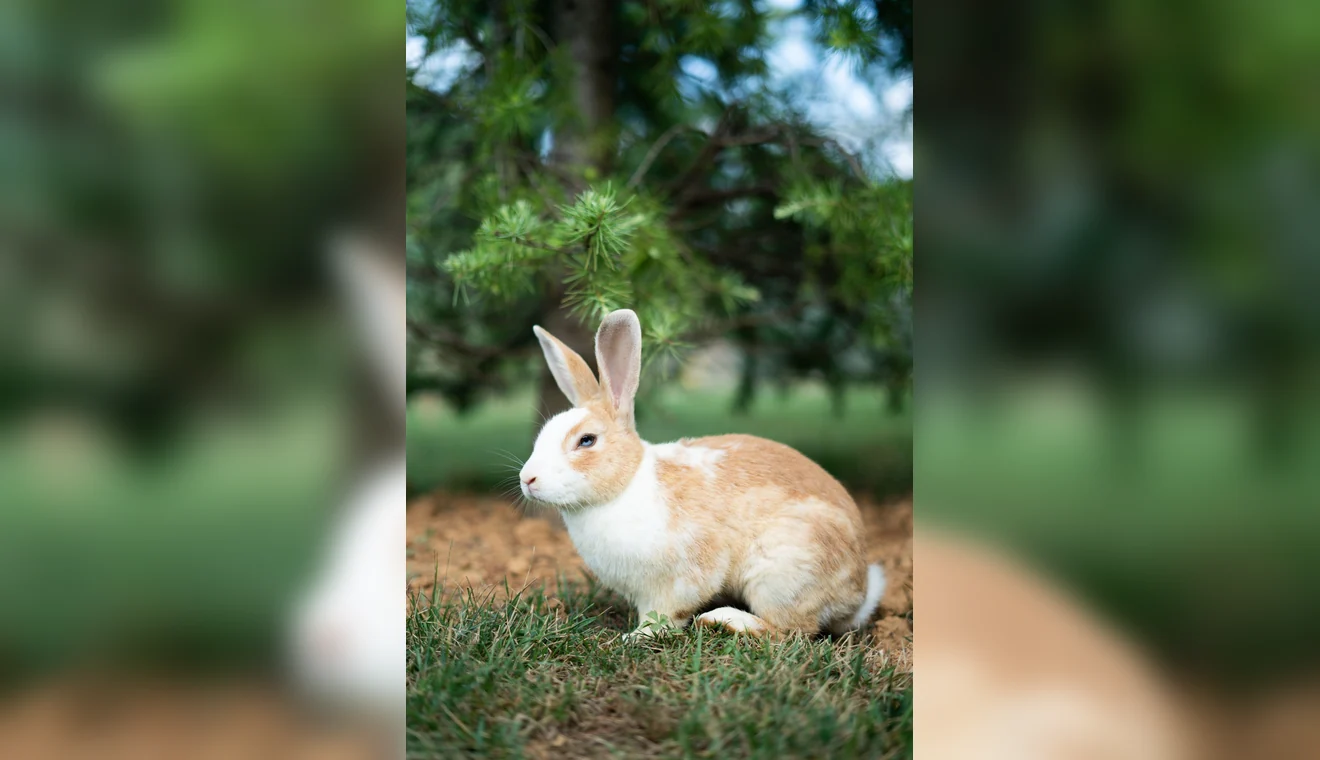
Rabbit grooming should be gentle, regular and matched to the coat type. Short-haired rabbits usually need less brushing than long-haired breeds, but every rabbit benefits from daily health checks, especially around the bottom.
A dirty bottom needs more than cosmetic cleaning; our rabbit flystrike prevention guide explains checks and emergency signs.
How often should you brush a rabbit?
The PDSA recommends daily brushing for long-haired rabbits, including Angoras, Lionheads and Jersey Woolies. Short- and medium-haired rabbits generally need brushing once or twice a week, increasing the frequency when they moult.
| Coat type | Usual grooming starting point | Extra attention |
|---|---|---|
| Short coat | Once or twice weekly | More often during heavy moulting |
| Medium coat | Once or twice weekly | Check behind ears and around hindquarters |
| Long coat | Daily | Prevent mats before they tighten |
| Senior or mobility-limited rabbit | Individual routine | Check areas the rabbit cannot clean easily |
These are starting points. A rabbit with dental pain, arthritis, obesity or difficulty grooming may require more help regardless of breed.
Set up a calm grooming area
Groom your rabbit at ground level on a non-slip mat where it feels safe. Avoid high tables, because a struggling rabbit can jump and injure its spine.
Have a soft brush, a suitable wide-tooth comb and a towel ready. Introduce them slowly, letting the rabbit sniff them if it wants.
Start with a few gentle strokes along the back or shoulders. Reward calm participation with a tiny portion of its normal food.
Don't turn the animal onto its back to make it freeze. That can produce a fear response known as tonic immobility, not relaxed consent.
If handling causes panic, contact a rabbit-aware vet or groomer for a safer plan.
Choosing a brush for delicate skin
Rabbit skin is unusually thin and can tear. The PDSA recommends soft bristle or rubber brushes, and cautious use of suitable wide-toothed combs.
A stiff metal rake intended for a dog may be far too harsh. Don't drag a comb through tangles or press the teeth against the skin.
For a short-haired rabbit, a gentle brush that collects loose fur may be enough. Long-haired rabbits often need careful separation of sections to prevent hidden tangles.
If a mat is tight to the skin, do not cut it with household scissors. It's easy to cut a rabbit accidentally. Seek professional help with safe clipping.
What happens when rabbits moult?
Many rabbits shed more heavily at certain times of year, although indoor conditions and individual coats influence the pattern.
During a moult, loose fur may come away in tufts. Grooming helps reduce the amount swallowed when the rabbit cleans itself.
Rabbits cannot vomit hairballs in the way cats sometimes do. Their gut depends on continuing movement and a good fibre-rich diet.
Unlimited clean hay, fresh water and activity remain essential during moulting. Don't replace normal food with commercial “hairball treats” of uncertain value.
Read our Rabbit Diet Guide for the role of hay and appropriate greens.
Checking the bottom and tail every day
One of the most important tasks is looking for wet or dirty fur around the rear. Rabbits may develop faecal contamination due to an unsuitable diet, poor mobility, dental issues or illness.
PDSA advises checking under a rabbit's tail at least daily and more often during warmer weather or if the animal is at increased risk of flystrike.
Flystrike is a veterinary emergency. Flies can lay eggs in soiled fur, and maggots may rapidly cause severe injury.
If you find maggots, eggs, wounds or a severely dirty painful rear, contact a rabbit-savvy vet immediately. Do not rely on a bath or insecticide spray as a substitute for emergency treatment.
The underlying reason the rabbit has become soiled must also be addressed.
Should you bathe a rabbit?
Do not put a rabbit in a full bath of water. PDSA advises against routine bathing because it can cause severe stress and create difficulty drying the coat safely.
If the rabbit has a small superficial dirty patch and is otherwise well, a vet may advise careful spot cleaning with a damp cloth, followed by thorough drying and warmth.
A rabbit with repeated urine or faecal soiling needs a medical assessment rather than regular baths.
Never apply human shampoos, heavily perfumed wipes or household disinfectants to rabbit skin.
How to check rabbit nails
Nails may grow too long when rabbits have insufficient suitable movement or soft flooring. Check them regularly, including the inner dewclaws on the front feet.
Nails need their own gentle handling routine; see our rabbit nail-trimming guide before using clippers or attempting to identify the quick.
PDSA recommends inspecting nails weekly. The goal is to catch overgrowth before nails curl, catch on fabric or interfere with walking.
On pale nails, the pink quick may be visible. On dark nails it's harder to identify, so ask a vet nurse or experienced rabbit groomer for a demonstration.
Cut only the safe tip with appropriate small-animal nail clippers while the rabbit is calmly supported. Never force restraint if the animal struggles.
A nail torn from catching on something may bleed and need veterinary attention.
Why long-haired rabbits need particular care
Long coats can conceal mats beneath an apparently neat top layer. Common problem areas include under the chin, behind the ears, around the hind legs and near the tail.
Daily gentle attention is better than waiting until the coat becomes one large mat. Some rabbits require regular professional clipping or trimming, particularly during summer or when older.
If brushing always causes discomfort, check for tight mats, skin irritation or another problem before attempting more sessions.
A reputable rabbit groomer or vet can explain which areas may be safely trimmed and which should be left alone.
The grooming session: a simple routine
- Observe the rabbit before handling: eating, movement, breathing and posture should be normal.
- Check the eyes, nose and ears for obvious discharge or irritation.
- Gently brush the coat in small sections, paying attention to areas prone to tangling.
- Check beneath the tail for dirty fur, moisture or signs of flystrike.
- Look at the feet and nails for overgrowth, soreness or injury.
- Reward the rabbit, let it move away and clean the grooming tools.
This is not a substitute for a veterinary examination. The value is that you notice changes early.
What if the rabbit hates being brushed?
Make the session shorter, choose a gentler tool and use positive reinforcement. Some rabbits will accept two strokes and leave; build from there.
Avoid chasing the animal round the enclosure. A frightened rabbit won't learn to tolerate handling by being repeatedly trapped.
If daily grooming is genuinely necessary for a long-haired rabbit but impossible at home, arrange professional help. It may be appropriate to have the coat clipped short by someone experienced.
When grooming reveals a medical problem
Contact a vet if you notice weight loss, flaky or inflamed skin, bald patches, painful movement, dirty bottom, drooling or sudden changes in appetite.
Dental problems or arthritis can prevent a rabbit grooming normally, so a neglected-looking coat may be a symptom rather than simple dirt.
A rabbit that stops eating or producing normal droppings needs urgent veterinary assessment. Our Rabbit Not Eating Guide explains why waiting is risky.
Frequently asked questions
Can I use a dog brush on a rabbit?
Only if the tool is truly gentle and suitable for delicate rabbit skin. Many metal grooming tools made for dogs are too harsh.
Is it normal for fur to come out in clumps?
Heavy moulting can produce loose tufts, but bald patches, irritated skin or pain need further assessment.
Should I trim the fur around a rabbit's bottom?
Sometimes a vet or experienced groomer may recommend careful trimming, particularly for long-haired or mobility-limited rabbits. Avoid using scissors near the thin skin yourself.
How do I groom a nervous rabbit?
Work at floor level, use small rewards and stop before panic. Seek handling guidance if necessary.
Groom little and often
A few calm grooming sessions are easier on a rabbit than a long battle with a matted coat. Match frequency to coat length, keep checking the rear and nails, and make sure the rabbit can always retreat.
Good grooming is really an extension of daily health care: it helps you spot problems before they become harder to treat.
Sources and further reading
- PDSA: How often should you groom your pet? — coat-length brushing frequencies, nail tools and bath precautions.
- PDSA: Rabbit health — daily bottom checks, flystrike and dental problems.