Rabbit Flystrike Prevention: Daily Checks and Emergency Signs
Flystrike is one of the most frightening emergencies a rabbit owner can face. Flies lay eggs on the rabbit, often around soiled fur, and the resulting maggots can damage living tissue remarkably quickly. If you discover maggots on your rabbit, contact an emergency vet immediately. Do not wait to see whether cleaning the hutch or bathing the rabbit will solve it.
Prevention centres on checking the rabbit every day, keeping its living space clean and tackling the conditions that cause a dirty bottom. The Rabbit Welfare Association & Fund recommends checking at least twice daily in warm weather, because an apparently healthy rabbit can develop a serious problem in hours.
What is flystrike in rabbits?
Flystrike, also called myiasis, occurs when flies lay eggs that hatch into larvae on an animal. Blowflies such as greenbottles and bluebottles are particularly dangerous because their maggots can eat into skin and underlying tissue. The condition causes severe pain, shock and potentially death. It is different from ordinary dirt or harmless insects around the enclosure. The presence of live maggots on a rabbit is a veterinary emergency, day or night.
Why does it happen around the tail?
The rear end is often attractive to flies when urine, soft droppings or faeces have collected on the coat. Rabbits normally produce two kinds of droppings: hard dry pellets and softer caecotrophs that they eat directly. If caecotrophs remain stuck to fur, they can attract flies. Flystrike can also develop near wounds elsewhere on the body, so inspecting only the tail is not enough.
Is flystrike only a summer problem?
No. It is especially common in warm weather when flies are active, but suitable conditions can occur outside the main summer months. Indoor rabbits are not automatically safe because flies may enter through open doors and windows. Continue routine checks throughout the year, increasing frequency during warm spells or if a rabbit is at higher risk. The calendar does not provide the same protection as actually examining the animal.
How often should you check your rabbit?
RWAF advises checking the rabbit's bottom daily, and at least morning and evening in summer. Higher-risk animals may need more frequent checks or an individual veterinary plan. Lift and support the rabbit safely or examine the area while it stands, using enough light to see beneath the tail and along the hindquarters. Watch for wet fur, stuck droppings, redness, eggs or any moving larvae. Never force an unsafe upside-down hold.
What are the early warning signs?
A dirty or damp bottom, unpleasant smell, unusual flies around the coat, agitation, hiding, loss of appetite or reduced droppings can signal trouble. Small clusters of pale eggs may be difficult to distinguish from debris. Maggots may not be visible at first if hidden in fur or wounds. Don't delay veterinary help while trying to identify every stage of an insect's life cycle. A rabbit in pain can deteriorate rapidly.
What should you do if you see maggots?
Phone an emergency vet immediately and explain you suspect flystrike. Arrange safe transport straight away. RWAF says you may remove visible maggots carefully with tweezers if that does not delay reaching the vet, but do not immerse the rabbit in water or attempt a home cure. Bathing can cause stress and make veterinary clipping more difficult. Treatment may require pain relief, supportive care and professional removal of larvae from affected tissues.
Keep the living area clean and dry
Remove soiled bedding and used litter daily, more often when necessary, and wash areas that collect urine. Maintain a dry, well-ventilated shelter without exposing the rabbit to draughts or extreme temperatures. Damp bedding attracts flies and can also soil the coat. A clean environment does not entirely prevent flystrike, but it removes a significant source of attraction. Our Rabbit Enclosure Size Guide explains why enough room matters for normal toileting and movement.
Why are overweight rabbits at higher risk?
Obesity can make it hard for a rabbit to reach its rear end for grooming or adopt a comfortable toileting position. It may also contribute to poor mobility and difficulty keeping urine or caecotrophs off the coat. Don't start a crash diet to address the problem. Ask a rabbit-experienced vet to assess body condition, diet and any joint pain, then make gradual changes. Prevention requires understanding why the animal cannot stay clean.
Arthritis and dental disease can contribute
Older rabbits or those with painful joints may struggle to bend around and eat caecotrophs directly. Dental pain can also alter eating and grooming patterns. The result may be soiling, even in a rabbit whose enclosure is kept clean. A veterinary examination can identify treatable causes. Our Rabbit Dental Problems Guide discusses why changes in food intake and chewing need prompt attention.
Food and droppings: the connection
An appropriate rabbit diet is based on unlimited good-quality hay or grass, measured suitable pellets and appropriate leafy greens. Too many rich treats or an unbalanced diet may contribute to abnormal caecotrophs and a dirty bottom. Do not suddenly withdraw food or dramatically change hay types without considering appetite and gut health. Our Rabbit Diet Guide explains daily feeding priorities and when unusual droppings should prompt a vet call.
Why is a wet bottom especially worrying?
Urine-soaked fur can attract flies and cause painful urine scalding. A rabbit that starts dribbling urine may have urinary disease, obesity, arthritis or another medical problem. Do not simply wipe the fur each day while leaving the cause untreated. Ask your vet to investigate and provide safe cleaning and skin-care advice. Wet fur also needs to be dried appropriately; an animal left damp is not adequately protected.
Does a fly screen on the hutch help?
Suitable mesh and physical barriers may reduce access by flies, provided they allow good ventilation and do not create heat build-up. They cannot guarantee protection because doors open, tiny gaps remain and flies may already be present. Keep food waste and soiled bedding away from resting areas and dispose of it promptly. Avoid spraying household insecticides near rabbits without veterinary guidance; some products can be harmful.
What about Rearguard or other preventive treatments?
A vet may recommend a licensed product for rabbits at risk of flystrike, following the current label instructions and application interval. RWAF discusses Rearguard and similar protective treatments as additional measures, not replacements for routine checks. Use only products suitable for rabbits and follow professional advice about age, health and application. A treatment that inhibits egg development cannot solve arthritis, dental pain or a persistently dirty rear end.
Is it safe to trim long fur?
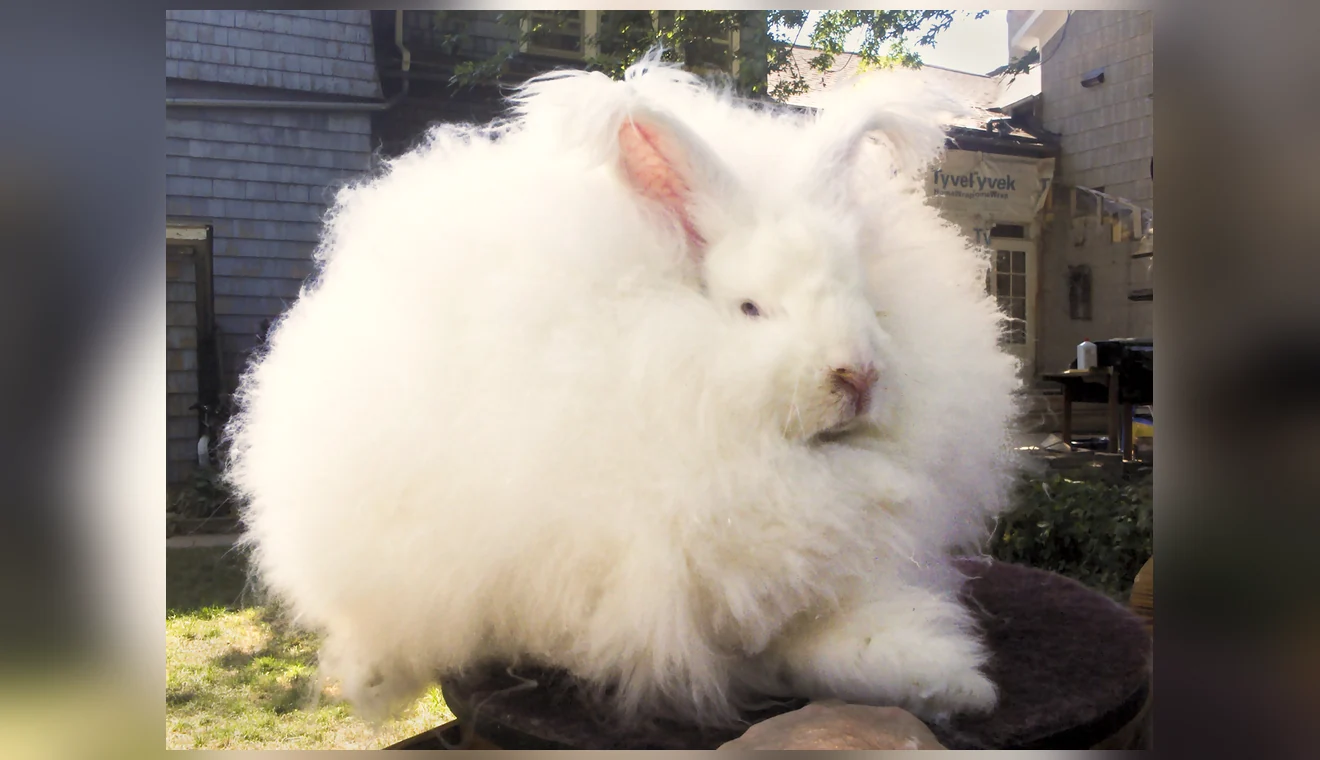
Long-haired rabbits may need careful grooming to keep the rear clean, but their skin is delicate and can tear. Never use sharp scissors against matted skin. Ask a rabbit-experienced veterinary nurse or groomer for help if the coat is heavily soiled or tangled. Routine gentle grooming may be appropriate for some animals. Our Rabbit Grooming Guide explains the importance of handling without causing injury or panic.
Can indoor rabbits develop flystrike?
Yes. Flies may enter a house, and rabbits with diarrhoea, urine leakage or dirty fur remain vulnerable. Indoor housing needs clean litter trays, good airflow and daily checks just like an outdoor run. Don't assume a tidy living room means there is no risk. A rabbit hiding under furniture may be difficult to inspect, so build gentle handling into the routine before a problem arises.
Does a healthy-looking rabbit still need checking?
Absolutely. RWAF warns that even healthy active animals can occasionally have a dirty bottom. A rabbit may continue moving around while eggs or larvae are developing under the coat. Inspect the whole rear area and look for skin changes, not just obvious faecal pellets. Make a checklist for anyone feeding the rabbits while you're away. A quick visual glance through the mesh is not the same as a proper daily examination.
What if a rabbit stops eating?
Reduced appetite or few droppings is urgent in rabbits, even when you cannot see maggots. Pain, gut stasis or other severe illness may be involved. Contact a vet promptly rather than waiting for the next scheduled check. Our Rabbit Not Eating Guide explains why delays can be dangerous. Flystrike prevention includes maintaining the rabbit's underlying health, not just cleaning its coat.
A practical daily prevention routine
Check the rabbit's rear and coat at least daily, twice daily or more in summer or higher-risk circumstances. Remove wet bedding, monitor droppings and eating, keep water available and check for wounds or signs of discomfort. Discuss recurring soiling, obesity or mobility issues with a vet. If you find maggots, stop routine cleaning and seek emergency veterinary help immediately. Prevention is a combination of observation, hygiene and early medical care.
Research and further reading
- Rabbit Welfare Association & Fund: flystrike in rabbits — emergency action, risk factors and prevention.
- PDSA: flystrike in rabbits — recognition and urgent veterinary treatment.
- RSPCA: flystrike in rabbits — daily checks, housing and reducing fly attraction.