Tortoise-Safe Weeds in the UK: Forage Identification and Feeding
A garden full of dandelions can be a useful source of food for a Mediterranean tortoise—but only when you can identify the plants correctly and know that they have not been sprayed. A green leaf isn't safe just because it grows wild, and a familiar common name is not enough to distinguish two similar species.
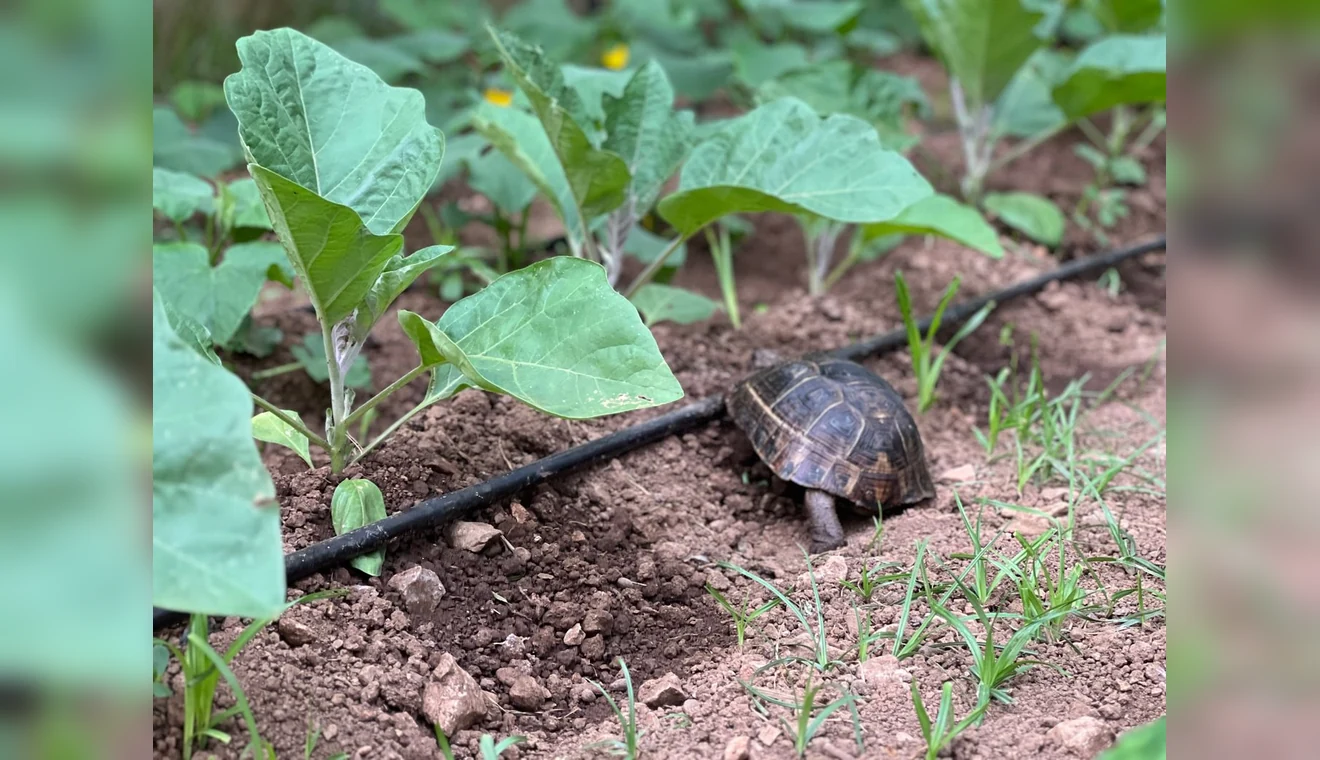
For commonly kept Mediterranean grazing tortoises, varied correctly identified wild plants can form part of a suitable high-fibre diet. Check each plant against a reputable tortoise-specific database, and don't offer it if the identity or source is uncertain.
Which tortoises does this guide cover?
Hermann's, spur-thighed, marginated and Horsfield's tortoises are often kept in the UK and commonly eat fibrous, leafy vegetation. Their feeding needs still vary with the actual species, season and health.
This is not a universal food list for tropical tortoises. For example, red-footed tortoises have different dietary requirements.
Identify your own tortoise before planning its forage. If you can't establish its species, ask an experienced reptile vet or a reputable tortoise welfare organisation for help.
Our Tortoise Table Setup Guide covers the indoor and outdoor arrangements needed alongside feeding.
Start with a plant database, not an online picture
The Tortoise Table's plant database lists individual plants under categories including safe to feed, feed in moderation, feed sparingly and do not feed.
These categories are useful because not every edible plant is appropriate as a daily staple. Some contain compounds that mean they should form only a limited part of a varied diet.
Common names are particularly unreliable: two plants can share a name in different regions, and two similar-looking leaves may come from unrelated species.
Write down both the ordinary name and the Latin botanical name when checking a plant. If you cannot confirm both identity and safety, leave it out.
Dandelions: useful but not the whole menu
Common dandelion, Taraxacum officinale, is one of the easiest garden plants to recognise when it is flowering.
The Tortoise Table classifies dandelion as feed in moderation, because it can contain relatively high oxalates, particularly in older leaves, and has mildly diuretic properties.
That does not make an occasional correctly identified dandelion dangerous for a healthy tortoise, but it does explain why feeding nothing but dandelions would be a poor plan.
Collect from an unsprayed clean area and wash well before offering. The entire diet should contain several suitable plant species rather than a daily mountain of one favourite.
Plantain: check the exact species
Broadleaf plantain (Plantago major) and ribwort plantain (Plantago lanceolata) are common in UK grassland and gardens.
They are different from the unrelated water plantain (Alisma species), which can be unsafe.
The Tortoise Table lists suitable Plantago species among commonly used tortoise forage. Check the specific entry and any moderation notes for your species rather than relying on the broad word “plantain”.
Plantain leaves often remain available when some summer weeds have finished flowering.
Avoid harvesting from roadsides where pollution, animal waste or chemical treatment may be present.
Clover and other common lawn plants
Red clover and white clover are common in UK grass, but their dietary suitability should be checked against the precise Trifolium species and the Tortoise Table's current moderation guidance.
Don't assume every clover-shaped leaf belongs to clover. Several unrelated plants have a similar three-leaf appearance.
A few correctly identified pieces may add variety when appropriate, but a rich patch of one plant shouldn't become the tortoise's entire diet.
The nutritional composition of pasture changes with growth stage, water availability and growing conditions.
A varied forage collection is generally more useful than treating one plant as a miracle source of vitamins.
Chickweed and other delicate greenery
Common chickweed (Stellaria media) is another plant frequently discussed in tortoise feeding.
Its leaves and stems can be difficult to distinguish from other low-growing species in dense vegetation. Confirm identification carefully.
Use the current plant database rating to decide whether and how often it is suitable. Never substitute an unfamiliar lookalike because you saw a similar picture on social media.
If the plant has been collected from a flowerbed treated with slug pellets, fertiliser or weedkiller, discard it even if its botanical identity is correct.
The safest forage begins with knowing exactly where it grew.
What about nettles and brambles?
Some tortoise keepers offer suitable parts of nettles, brambles and other wild vegetation, but each plant has different handling and dietary considerations.
The presence of thorns, stinging hairs, mould or pesticide residues can make an otherwise suitable item unsafe to offer in its original state.
Check the specific database entry for the plant and whether young leaves, mature leaves or flowers are appropriate.
Do not feed an unknown thorny hedge clipping merely because tortoises eat weeds.
When harvesting bramble leaves, exclude the woody thorny stems and inspect for spray contamination.
A simple safe-forage checklist
| Question | Why it matters |
|---|---|
| Do I know the Latin plant name? | Reduces confusion with lookalikes |
| Is it listed for my tortoise species? | Different tortoises have different needs |
| Is the rating safe, moderate or sparing? | Prevents over-reliance on one item |
| Could it have been sprayed? | Chemicals may make an edible plant hazardous |
| Is the collection area clean? | Avoids pollution, mould and waste |
| Has the plant been washed and inspected? | Removes visible dirt and unwanted mixed leaves |
If any important answer is uncertain, choose verified feed from a safer source.
Where not to collect weeds
The Tortoise Table advises avoiding vegetation from areas that may be treated with weedkiller or contaminated by pollution.
Road verges, agricultural field edges, public parks and recently landscaped areas may be sprayed without obvious warning signs.
Do not collect weeds near slug pellets. Even “pet friendly” claims on some garden treatments should not be taken as permission to feed nearby vegetation to reptiles.
Avoid plants contaminated with dog or cat faeces and areas where unknown animals have been feeding.
Never offer wilted mouldy material simply because it looks like the correct weed.
Growing forage at home
Growing known plants from a reputable seed source in an untreated planter can make feeding more predictable.
Use clean soil or suitable growing medium without pesticides, slug bait or dangerous fertiliser additives.
Keep a labelled pot for each species. This helps avoid accidental substitution when flowers or leaves change with the season.
A planter should be positioned so the tortoise cannot overturn it, become trapped or ingest unsuitable plastic.
Grow several species rather than relying on a single planter throughout the year.
Why winter feeding is different
Many UK weeds grow slowly or die back in winter. Fresh forage availability may become limited precisely when some indoor-kept tortoises still need a suitable diet.
Plan in advance by growing appropriate edible plants or sourcing reliable species-specific greens.
Don't suddenly replace a diverse leafy diet with fruit, supermarket iceberg lettuce or a high-protein feed designed for another species.
If your animal follows a vet-approved seasonal brumation plan, its feeding schedule may change. That should not be improvised from a generic weed list.
See our Tortoise UVB Lighting Guide for the environmental conditions needed when tortoises are housed indoors.
Plants to avoid: why caution is essential
The Tortoise Table explicitly warns that poisonous garden and wild plants can cause serious harm.
Examples of clearly hazardous plant groups include some bulbs, ornamental foliage and poisonous fungi, but an incomplete internet list cannot protect against every local species.
The charity recommends identifying every plant in the tortoise's enclosure, checking its Latin name and removing doubtful items.
If you believe a tortoise has eaten an unsafe plant, contact an experienced reptile vet urgently. Do not try to make the animal vomit or experiment with household remedies.
What if the tortoise ignores safe weeds?
A tortoise may prefer familiar foods or select certain textures.
Introduce suitable new forage gradually as part of a balanced diet and observe what is eaten.
Don't use hunger or withholding access to necessary food to force a new plant.
Poor appetite can result from incorrect temperatures, inadequate UVB, dehydration or illness. Check the full habitat and consult a reptile vet if eating patterns change.
A well-equipped tortoise table and correctly identified forage work together.
Frequently asked questions
Can tortoises eat dandelions every day?
The Tortoise Table categorises dandelion as feed in moderation, so avoid using it as the only daily food. Offer a varied mix of suitable plants.
Can I pick weeds from the pavement?
It's generally safer to use verified unsprayed private growing areas; roadside and public land can contain contaminants.
Is every plantain safe?
No. Check the Latin name. Suitable Plantago species are not the same as unrelated water plantains.
Can I use a phone app to identify a weed?
An app may suggest possible names, but its identification is not reliable enough on its own for feeding an animal. Confirm with a knowledgeable source.
Get the identification right first
Tortoise foraging can be rewarding and inexpensive, but the real skill is confident identification and careful sourcing.
Choose a few verified plants, grow a clean supply where possible, and build variety over time. A tortoise doesn't need every weed in the garden—only suitable food that you can identify and trust.
Sources and further reading
- The Tortoise Table: Plant Database — species-specific safety ratings and botanical names.
- The Tortoise Table: Dandelion — feed in moderation and reasons.
- The Tortoise Table: Poisoning and Prevention — safe identification, spray avoidance and urgent veterinary care.